A Quick Start Guide to T and Z Scores in DEXA Scans
A T-score compares your bone density to a healthy young adult at peak bone mass, while a Z-score compares you to people your own age. Here is what each range means and when doctors use which.
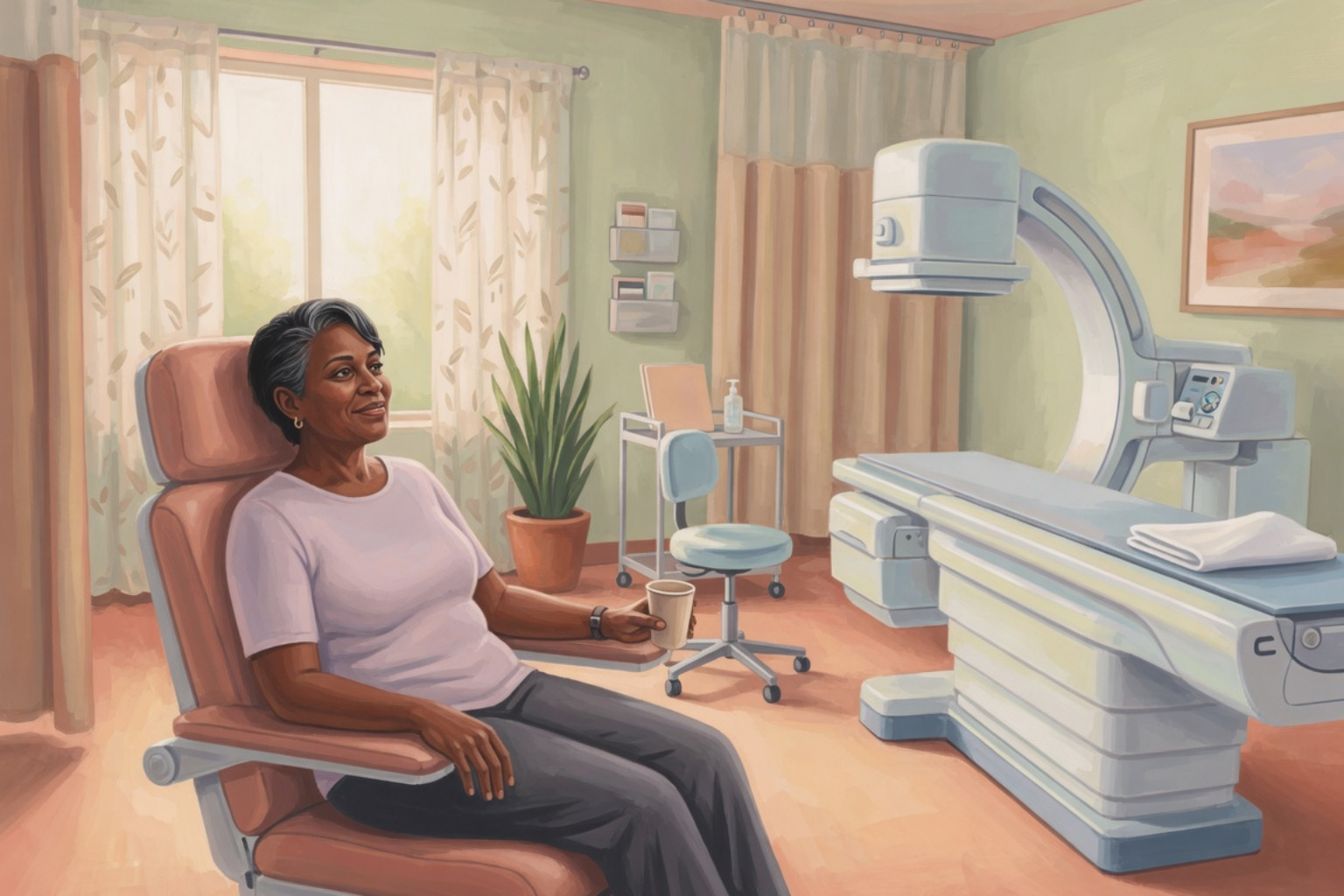
DEXA stands for dual-energy X-ray absorptiometry. It is the gold standard test used to measure bone mineral density, which is the amount of calcium and other minerals packed into your bones. When your bones contain more minerals, they are denser, stronger, and much less likely to break.
During a DEXA scan, you lie comfortably on a padded table while a scanner passes slowly over your body. The scan usually checks the hip and spine because these are common fracture sites when bone density is low. It is quick, painless, and typically takes about 10 to 30 minutes. The radiation exposure is very low, about the same as a few days of natural background radiation.
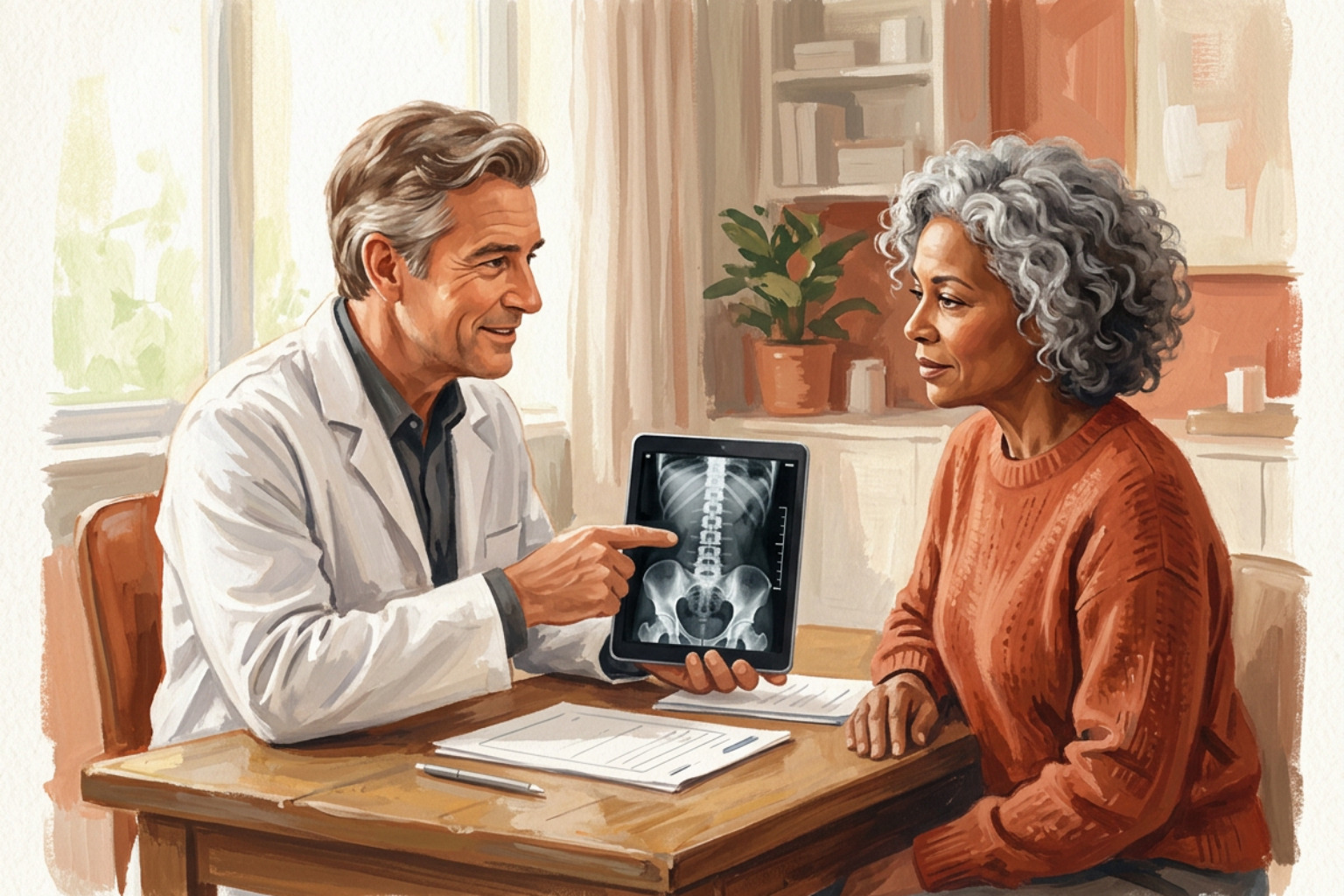
Understanding your results is the first step in protecting your skeletal strength. You can learn more about how doctors read these reports by reading about Interpreting DEXA Scan Results. If you are concerned about the cost of the test, you can read about Does Medicare Cover DEXA Bone Density Scans or visit Medicare.gov bone mass measurements to see if you qualify for coverage. For a deeper look at the technology itself, you can read the clinical overview of Dual-Energy X-Ray Absorptiometry - StatPearls - NCBI Bookshelf.
Why standard X-rays are not enough
Standard X-rays are excellent for finding broken bones, but they are not helpful for catching bone loss early. A standard X-ray can only show bone loss after it is already very far advanced, often when more than one third of your bone mass is already gone. A DEXA scan can catch bone thinning early, when it is much easier to treat and manage before a break ever happens.
What Is a T-Score and What Do the Ranges Mean?
A T-score compares your bone density with the average of a healthy young-adult reference population at peak bone mass, typically reached between ages 25 and 40. A T-score of 0 means your bone density matches that average — when bones are generally at their strongest and densest
Your T-score is measured in standard deviations, which describe how far your bone density is from the average of a healthy young-adult reference population at peak bone mass. A T-score of 0 means your bones are exactly the same density as the average healthy young adult
The risk of breaking a bone doubles with every standard deviation below normal. For example, a person with a T-score of -1.0 has twice the risk of breaking a bone compared to someone with a normal score. To learn more about this calculation, you can read about T-Score Meaning Explained Simply. You can also read about DEXA T-Score Fracture Risk to see how these numbers affect your daily life.
Understanding the World Health Organization categories
The World Health Organization uses specific T-score ranges to group bone density into four clear categories. To help you understand where your results fall, you can read about the T-Score Osteopenia Range Chart or review the summary table below:
| T-Score Range | What It Means | Clinical Category |
|---|---|---|
| -1.0 or higher | Your bone density is normal and healthy. | Normal |
| Between -1.1 and -2.4 | Your bones are starting to thin. This is not a disease, but a warning sign. | Low Bone Mass (Osteopenia) |
| -2.5 or lower | Your bones have lost a significant amount of mineral and are fragile. | Osteoporosis |
| -2.5 or lower plus a past fracture | Your bones are fragile and you have already experienced a break from a minor fall. | Severe Osteoporosis |
If your score falls into the lowest category, you can learn more by reading about T-Score Below -2.5 Meaning. For more details on what causes these changes, you can visit the Bone Health and Osteoporosis Foundation. You can also read a detailed breakdown of these metrics in the NIAMS guide to what bone density test numbers mean.
What Is a Z-Score and How Is It Different From a T-Score?
A Z-score compares your bone density with what is expected for someone your age, sex, and ethnic background. While a T-score compares you to a healthy young adult at peak bone mass, a Z-score compares you to people more like you.
A Z-score of 0 means your bone density matches the exact average for your age group. If you want to learn more about how doctors use this peer comparison, you can read about How to Interpret Bone Density. You can also read a helpful explanation in the ISCD Official Positions on Z-score reporting.
Why a low Z-score is a red flag
A Z-score of −2.0 or lower is described as 'below the expected range for age.' It doesn't diagnose a specific condition, but it signals that your bone density is lower than expected for people like you — and that's a reason for your doctor to look for an underlying cause, such as a medical condition or medication affecting your bones, or simply lower-than-average peak bone mass.
Sometimes, bone loss happens because of an underlying medical condition or a medication. Doctors call this secondary osteoporosis. Medications that may contribute to weaker bones include steroids such as prednisone, certain anti-seizure drugs, and some cancer therapies. Medical causes can include celiac disease, which can reduce calcium and vitamin D absorption, and hyperparathyroidism, where overactive parathyroid glands pull calcium from bone into the bloodstream.
When Should a Doctor Use a T-Score Versus a Z-Score?
The choice between using a T-score or a Z-score depends on your age, sex, and menopausal status.
T-scores are used to diagnose osteopenia and osteoporosis in postmenopausal women and men aged 50 or older. Comparing your bone density to a healthy young adult puts the result on one standard scale, so the hip and spine measurements can be judged the same way. But the T-score is only part of the picture — your doctor will also look at your age, past broken bones, falls, and medicines to judge your real risk of a fracture. You can learn more about this process by reading about Understanding Osteoporosis.
Z-scores are the primary score used for premenopausal women, men under age 50, and children. In these younger groups, it is not helpful to use a young adult standard because they should already be at or near their peak bone mass. Instead, doctors use the Z-score to see if their bone density is unusually low compared to their peers. For more details on these guidelines, you can visit the NIAMS - diagnosis, treatment, and steps to take resource page.
How the FRAX tool uses your scores
The FRAX tool is a questionnaire-based calculator developed by the World Health Organization. It estimates your 10-year probability of breaking a bone. It gives two numbers: the risk of a hip fracture, and the risk of a 'major osteoporotic fracture,' such as your hip, spine, wrist, or shoulder. The tool combines your T-score with other important risk factors, including your age, family history of fractures, smoking habits, alcohol use, and whether you take steroid medications. This helps your doctor look at your whole health picture, rather than relying on a single number to decide if you need medication.
What Factors Can Cause Inaccurate DEXA Scan Results?
Several physical and medical factors can interfere with the accuracy of a DEXA scan.
Spinal osteoarthritis can cause bone spurs, which are extra bits of bone that grow on your joints. The scanner cannot tell the difference between a bone spur and healthy bone mineral. As a result, bone spurs can falsely raise your spine T-score, making your bones look stronger than they actually are.
Metal objects can also block the X-rays and skew the results. This includes small items like zippers, buttons, or underwire bras, as well as larger items like joint replacements or surgical hardware in your hip or spine. If you have had a joint replacement, the technician will scan your other hip or use your forearm instead. To learn more about how often you should get scanned to track your true bone density over time, you can read about DEXA Scan Frequency.
How to prepare for an accurate scan
To ensure your DEXA scan is as accurate as possible, follow these simple preparation steps:
- Do not take calcium supplements for 24 hours before your scan, as undigested pills can show up on the image and interfere with the reading.
- Wear loose, comfortable clothing without metal zippers, snaps, heavy buttons, or metal fasteners.
- Inform your doctor if you have recently had a medical test that used contrast dye, such as a barium swallow or a CT scan with contrast. You should wait at least two weeks after these tests before getting a DEXA scan.
How Can You Improve Your Bone Density and Lower Your Fall Risk?
Bones are living tissue that adapt to the stress placed on them. They only get stronger when they are loaded hard enough to trigger the cells that build new bone, which are called osteoblasts. This is called an osteogenic load, meaning a load big enough to grow bone.
Research suggests that heavy resistance training is a safe and effective way to build bone. This means using weights heavy enough that you can only lift them a few times. Doing many repetitions with a very light weight builds muscle endurance, but it does not do much for bone. Light weights, high-repetition circuits, and resistance bands do not create enough load to build bone, though they are helpful for muscle strength and preparing your body for heavier work. You can find more tips on building bone strength by reading about T-Score Improving Workouts and Bone Health 101 Osteoporosis Facts Tips.
Safe movements for your spine
To strengthen your hip and spine, focus on compound movements that load these areas directly. Excellent options include squats, lunges, and hip hinges. A hip hinge, such as a Romanian deadlift, means bending from your hips while keeping your back long and straight, rather than rounding your spine.
Spinal extension, which means gently arching or straightening your back, is safe and helps strengthen the muscles along your spine. You should generally avoid loaded spinal flexion, which means rounding your back forward while holding a weight, because this action can raise the risk of a spine fracture.
Balance training and fall prevention
According to the CDC - older adult falls and fall prevention, most hip fracture hospitalizations are caused by falls. This makes fall prevention essential for protecting your bones.
Balance is a trainable skill that you can improve through progressive exercise. You should start with static balance, which means holding steady in one place, such as standing on one leg while holding onto a stable kitchen counter. Once you feel steady, you can progress to dynamic balance, which means staying steady while moving, such as stepping or reaching.
Power training, which is strength combined with speed, is also important. It helps you react quickly to catch yourself if you stumble.
Groove Health can help you navigate this journey. Groove Health offers a Medicare-covered bone health and exercise program where a physical therapist designs a personalized, progressive exercise plan safely matched to your current ability. This plan helps you build bone strength and prevent falls from the comfort of your home.
Frequently Asked Questions About DEXA Scores
How often should I repeat my DEXA scan?
For most older adults, Medicare covers a repeat DEXA scan every 24 months. Your doctor may recommend scanning more or less frequently depending on your baseline bone density and whether you have started a new osteoporosis treatment. Because bone density changes very slowly, scanning too often is rarely useful. Minor changes over a single year are often just statistical noise from the machine rather than actual bone loss.
What is the difference between bone density and bone quality?
Bone density measures the quantity of mineral in your bones, which is what a standard DEXA scan detects. Bone quality refers to the internal structure and scaffolding of the bone. A doctor can use a software tool called a Trabecular Bone Score to look at the quality of your bone structure using your existing DEXA scan images, which provides a more complete picture of your true fracture risk.
When should I start medical treatment for osteoporosis?
Your doctor will look at your T-score, your Z-score, and your overall fracture risk using tools like FRAX to decide when to start treatment. Generally, treatment is recommended if your T-score is -2.5 or lower, or if you have osteopenia combined with a high risk of breaking a bone. To learn more about this decision, you can read about When Start Osteoporosis Treatment.
What Are the Key Takeaways for Your Bone Health Journey?

Understanding your DEXA scan results is a powerful way to take control of your health. Your T-score compares your bone density to a healthy young adult, while your Z-score compares you to your peers.
A low score is not a guarantee that you will break a bone. Instead, it is a helpful warning sign that allows you to take action. By focusing on heavy resistance training, practicing balance exercises, and working with your doctor, you can actively strengthen your bones and lower your risk of falls.
If your DEXA scan reveals a low T-score or Z-score, taking action to protect your skeleton is key. Groove Health connects these clinical metrics directly to your daily life through a personalized, home-based exercise plan. By matching targeted, bone-building exercises and balance training to your specific DEXA results, Groove Health helps you safely build bone strength, improve stability, and actively prevent fractures from the comfort of home. To take the next step in your bone health journey, you can Check your eligibility for Groove Health or Learn more about Groove Health.
Works Cited
- Krugh M, Langaker MD. Dual-Energy X-Ray Absorptiometry. StatPearls, NCBI Bookshelf, updated 2024.
- International Society for Clinical Densitometry. Official Positions. International Society for Clinical Densitometry, 2023.
- National Institute of Arthritis and Musculoskeletal and Skin Diseases. Bone Mineral Density Tests: What the Numbers Mean. NIAMS, NIH, 2023.
- Bone Health & Osteoporosis Foundation. What is Osteoporosis and What Causes It?. Bone Health & Osteoporosis Foundation, 2024.
This content is for informational purposes only and does not constitute medical advice. Consult a qualified healthcare professional for diagnosis and treatment. If you are on Medicare and interested in a personalized bone health program, you can check your eligibility at groovehealth.com.