
Groove Health
  • Home
  • Blog
  • Topics
Sign in Subscribe
Featured articles
Exercise

Do Weighted Vests Work for Osteoporosis? A PT's Evidence Review

Weighted vests are having a moment, but do they actually build bone? A Groove physical therapist reviews the research and explains where a vest helps and where it doesn't.

Osteoporosis

Walking for Osteoporosis: Helpful, but not Enough

Walking is real, valuable exercise — just not enough on its own to build bone. Here's why, and the mix of strength, impact, and balance training that actually protects your skeleton as you age.

Nutrition

9 Ways to Support Stronger Bones, From a Nutritionist

You don't have to rely solely on supplements or medications to support your bones. Here are nine easy, science-backed ways to improve bone health through food.

Menopause

Natural Support for Menopause: Your Guide to Adaptogens

Menopause affects nearly every system in your body. If HRT isn't right for you, adaptogens like ashwagandha, rhodiola, and maca may help. Here's what the research says.

Strength Training

Strength Training and Osteoporosis

Strength training is the most effective way to combat bone and muscle loss after menopause. Here's the science behind it and how to get started safely.

Bone Density

Supplement Guide for Better Bone Density

Calcium, vitamin D, magnesium, and vitamin K2 — what you need, how much, and when supplements make sense. A practical guide for people managing osteoporosis.

White Paper

Closing the Exercise Gap in Osteoporosis Care

Medications improve bone density but can't prevent the falls that cause 95% of fractures. Groove Health's digital exercise programs delivered measurable gains in strength, balance, and patient-reported outcomes.

Strength Training

A Starter Guide for Movement & Food

A simple story about how your body works — and how to support it when medications make things harder. Practical tips on movement, food, and the habits that matter most.

Osteoporosis

Building Bones: Why Protein Matters

Your body can't store protein — so daily intake is critical for maintaining strong bones and muscles. Here's how much you need, why it matters, and how to get it.

Bone Density

Bone Health 101: Osteoporosis Facts & Tips

What is osteoporosis, how common is it, and what can you do about it? A quick primer on bone health, exercise, and the nutrients your bones need most.

Osteoporosis

Osteoporosis Starter Guide

Surprised by an osteoporosis diagnosis? You're not alone. Here's what the science says about strength training, nutrition, power training, and building stronger bones — starting now.

More articles
A – Z Guide to Best Collagen Supplements for Osteoporosis
Collagen

A – Z Guide to Best Collagen Supplements for Osteoporosis

Collagen forms the flexible scaffold that mineral binds to in bone, but only specific peptides at the right dose are backed by research. Here's what to look for and how collagen fits a full bone plan.
Read more
Demystifying Your DEXA Scan: Bone Density T-Scores Explained Simply
DXA Scan

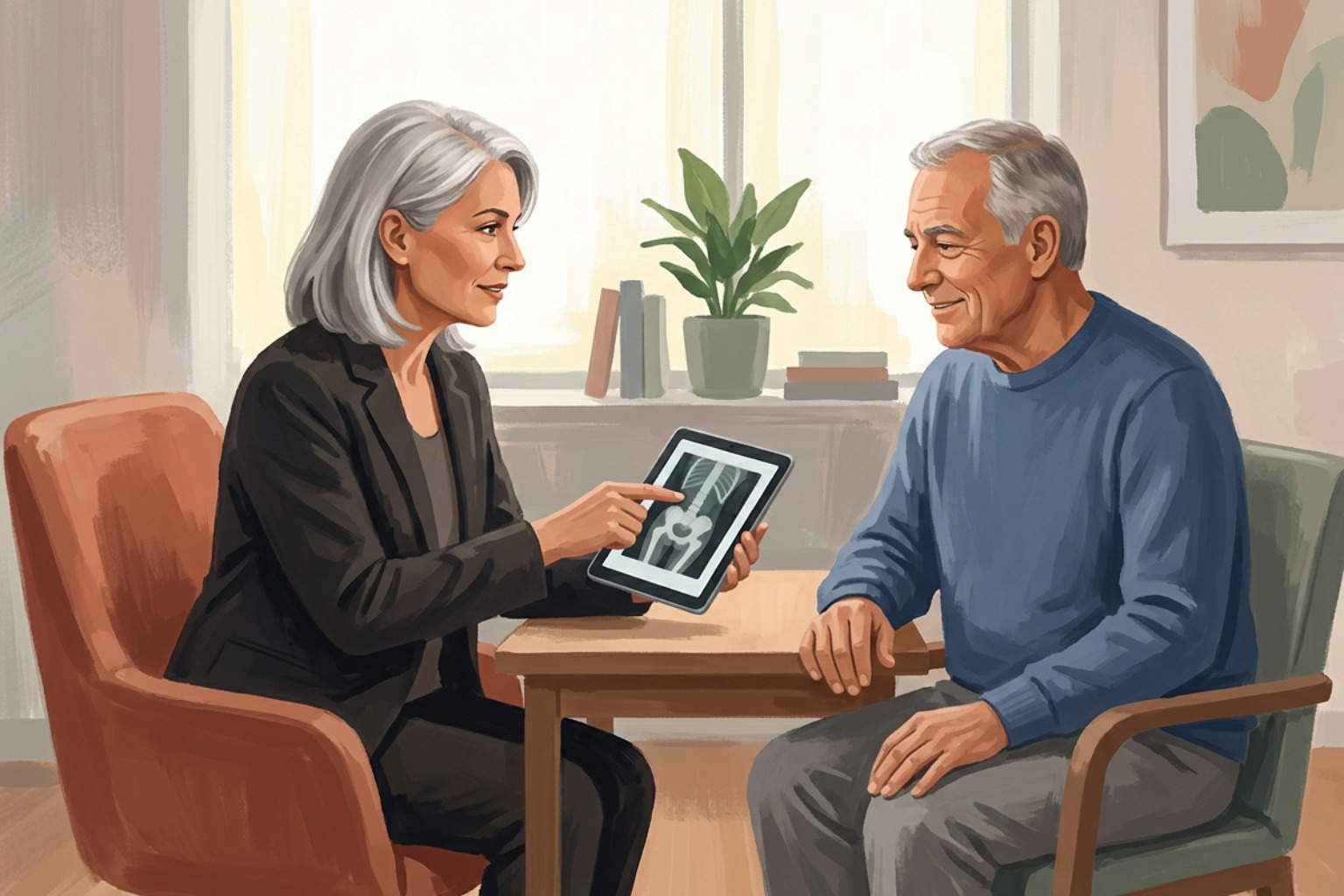
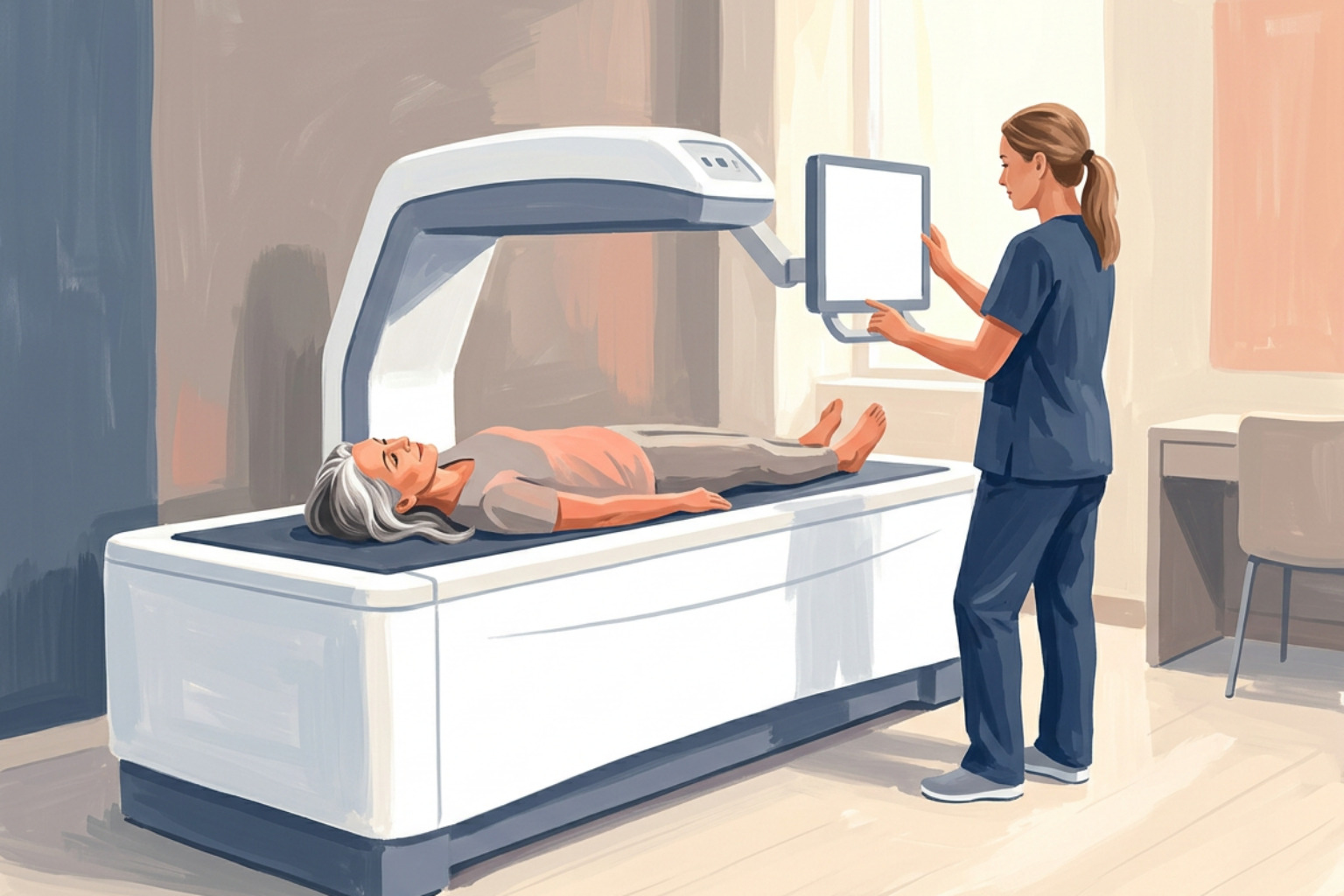
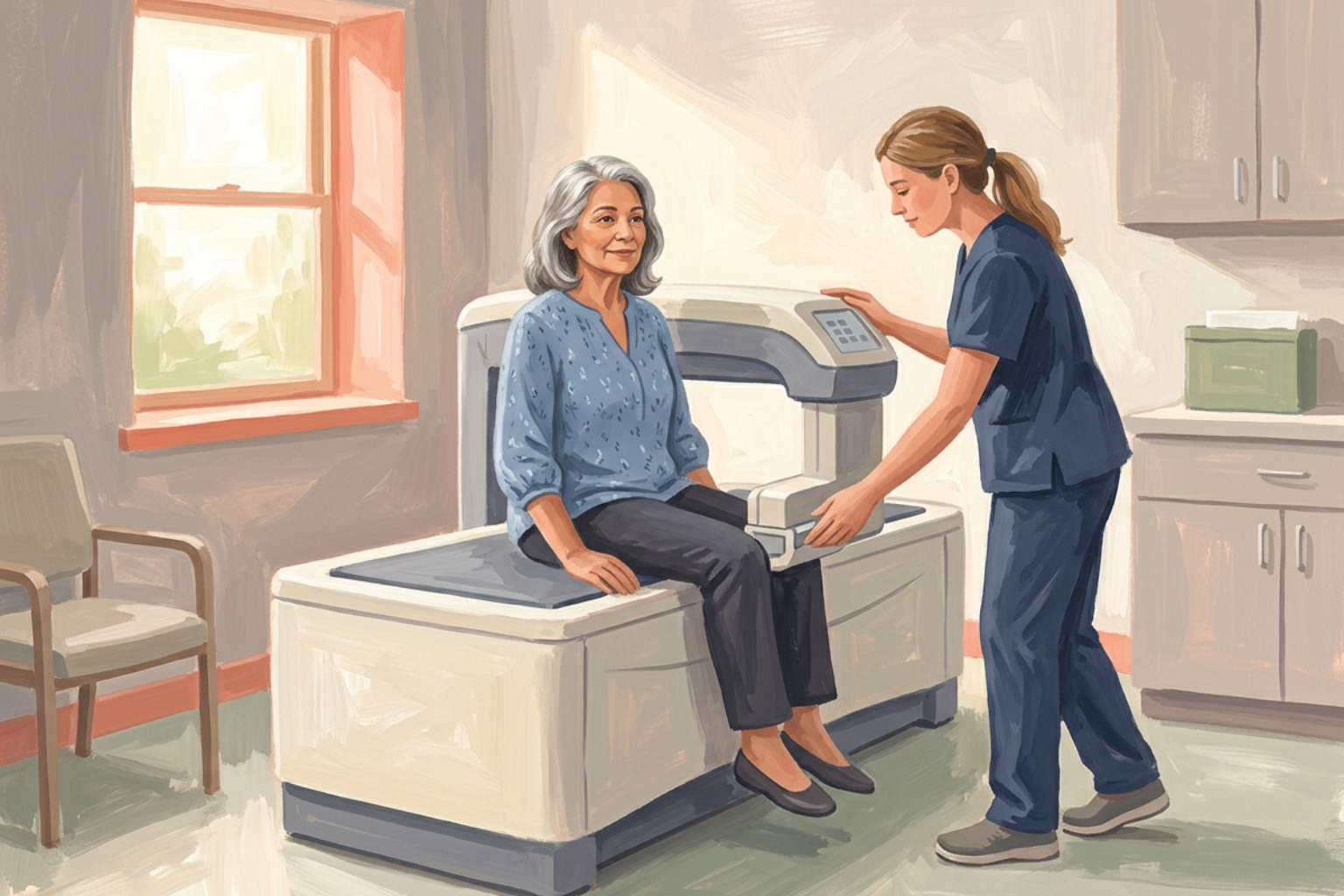
Demystifying Your DEXA Scan: Bone Density T-Scores Explained Simply

A T-score compares your bone density to a healthy young adult, and small differences change your diagnosis. Here's how to read your DEXA result and what you can do to improve it.
Read more
What Bone Changes Happen During Menopause? The Timeline of Loss
Menopause

What Bone Changes Happen During Menopause? The Timeline of Loss

In the years around menopause, falling estrogen accelerates bone loss and reshapes your skeleton. Here's the timeline of what happens and the steps that help protect your bones.
Read more
T-Score Improving Workouts: Your Weekly Strength Schedule for Denser Bones
Exercise

T-Score Improving Workouts: Your Weekly Strength Schedule for Denser Bones

Bone responds to load, not effort. Here is the weekly mix of heavy strength work, safe impact, and balance training that research shows can move a T-score, plus how to progress it without hurting yourself.
Read more
Why Free Weights Are Your Best Friend for Osteopenia
Exercise

Why Free Weights Are Your Best Friend for Osteopenia

A bone density scan showing osteopenia is a warning light, not a verdict. Lifting heavy enough to challenge your skeleton, two to three days a week, is the most reliable way to slow bone loss and cut fracture risk.
Read more
The Best Bone-Building Foods for Beginners
Nutrition

The Best Bone-Building Foods for Beginners

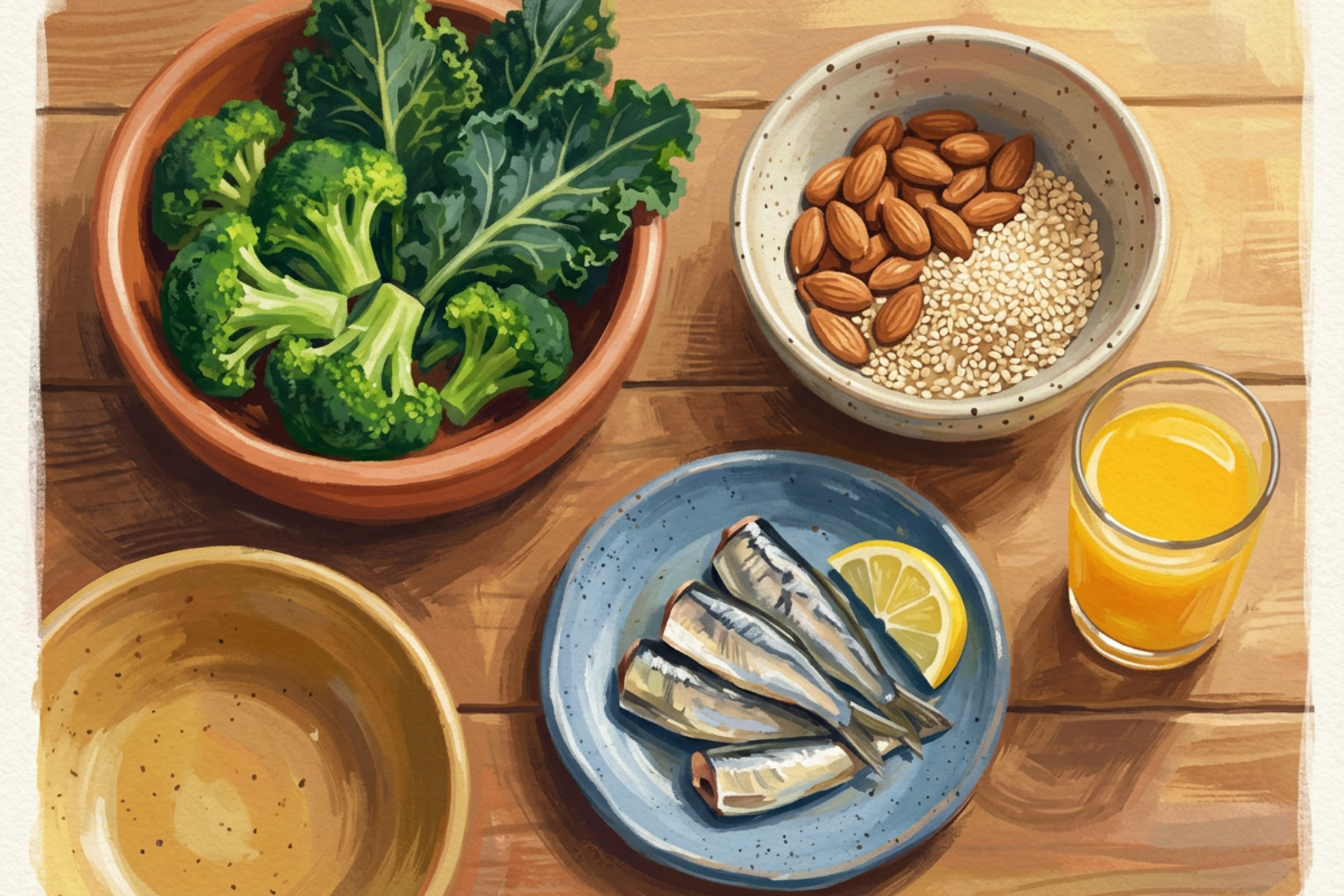
Which foods actually build stronger bones? A beginner-friendly guide to the dairy, fish, and plant foods that boost calcium and vitamin D—and the everyday foods that quietly work against your skeleton.
Read more
How Does Estrogen Affect Osteoblasts and Osteoclasts?
Menopause

How Does Estrogen Affect Osteoblasts and Osteoclasts?

Estrogen quietly keeps your skeleton in balance—slowing the cells that break down bone and supporting the ones that build it. Here's how it works at the cellular level, and what shifts when estrogen falls at menopause.
Read more
Everything You Need to Know About DEXA Medicare Part B Coverage
Medicare

Everything You Need to Know About DEXA Medicare Part B Coverage

Medicare Part B covers a DEXA bone density scan once every 24 months, often at no cost. Here's who qualifies, what you'll pay in each scenario, and how to make sure your claim is approved.
Read more
A Comprehensive Guide to Vitamin K2 for Bone Density
Supplements

A Comprehensive Guide to Vitamin K2 for Bone Density

Vitamin K2 activates the proteins that bind calcium to your skeleton. Here is what the research says about dosage, pairing it with vitamin D3, and cutting fracture risk.
Read more
How Often Do You Really Need a DEXA Scan?
DXA Scan

How Often Do You Really Need a DEXA Scan?

How often you need a DEXA scan depends on your T-score and risk level, not the calendar. Here are the screening intervals major guidelines recommend and what Medicare will cover.
Read more
Magnesium for Bone Density: The Missing Link in Your Skeletal Health
Magnesium

Magnesium for Bone Density: The Missing Link in Your Skeletal Health

Magnesium is the mineral that helps your body use calcium and vitamin D, yet most older adults fall short. Here is how much you need, the best-absorbed forms, and the foods that deliver it.
Read more
Groove Health © 2026
  • About
  • Editorial Policy
  • Medical Disclaimer
  • Terms of Service
  • Privacy Policy
Powered by Ghost