A Practical Guide to Fracture Prevention Strategies for Seniors
Most fractures after 65 are preventable. This guide covers six proven strategies, from DEXA screening and heavy resistance training to balance work, medication review, and daily nutrition targets.
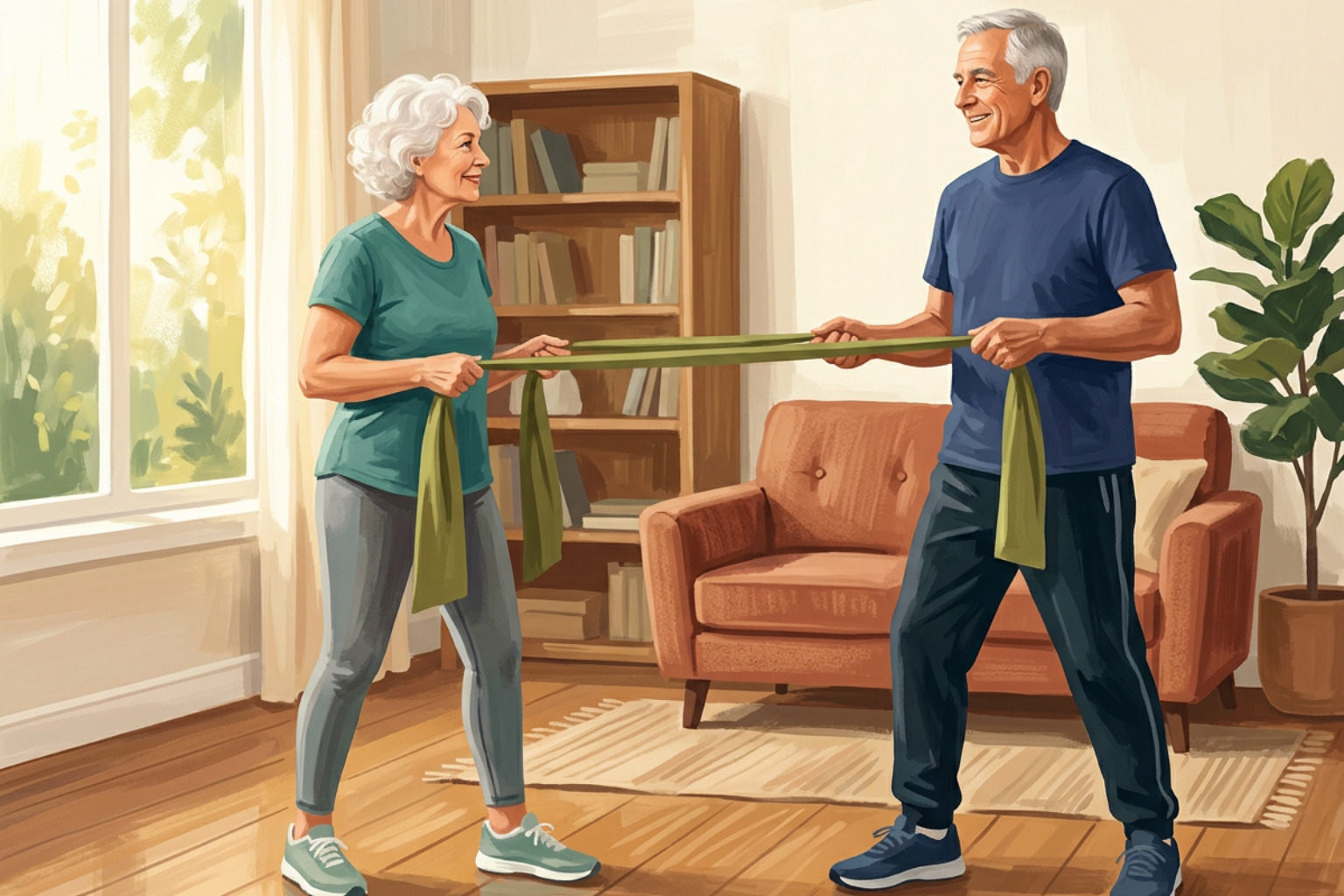
Why Fracture Prevention Matters Before a Fall Happens
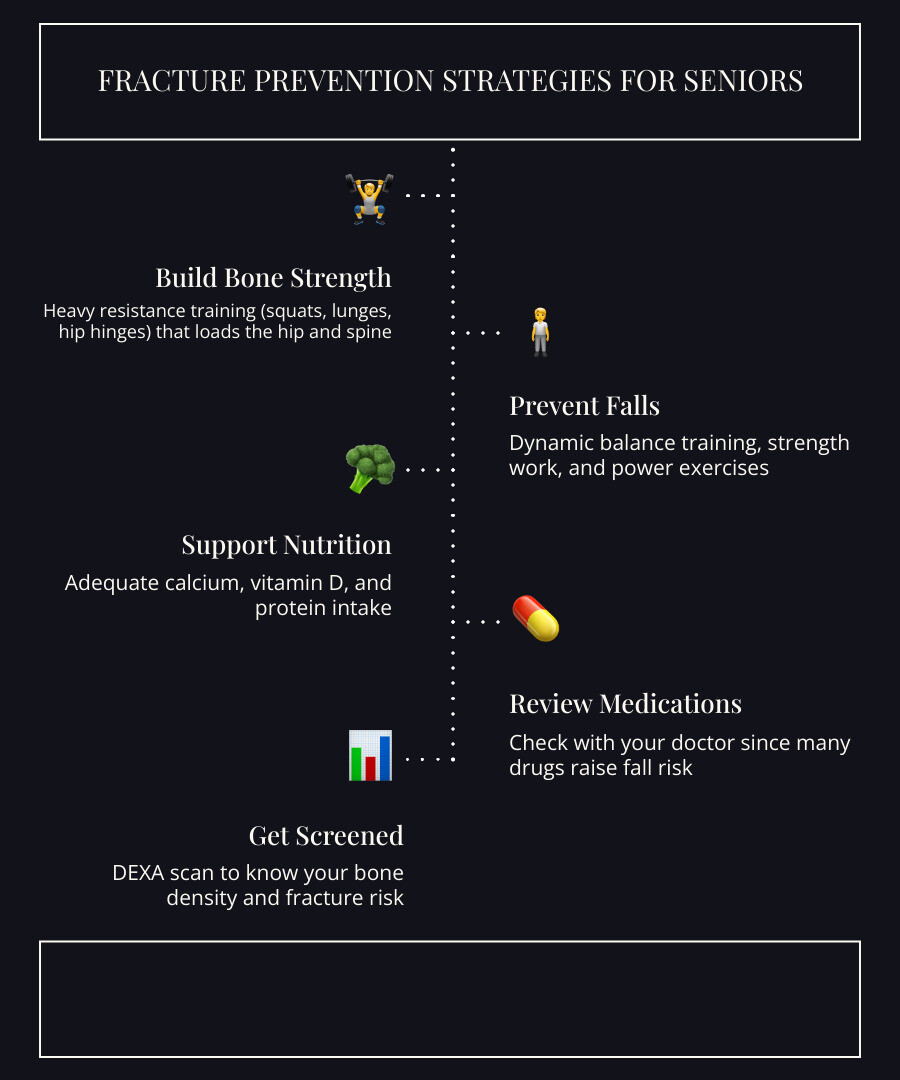
The most effective fracture prevention strategies for seniors combine several approaches working together. Here is a quick summary:
- Build bone strength through heavy resistance training (squats, lunges, hip hinges) that loads the hip and spine
- Prevent falls with dynamic balance training, strength work, and power exercises
- Support bone health nutritionally with adequate calcium, vitamin D, and protein
- Review medications with your doctor, since many common drugs raise fall risk
- Get screened with a bone density scan (called a DEXA scan) to know where you stand
- Work with a care team including your physician and a physical therapist to build a plan matched to your ability
More than one in four adults 65 and older falls each year. For someone with thinning bones, even a simple fall can lead to a serious fracture.
More than 90% of all hip fractures happen because of a fall, according to the CDC. And hip fractures are not just painful. They are life-changing. Between 18 and 31% of older adults who break a hip will die within a year. Only about half return to their previous level of function.
There is also what researchers call the cascade effect: one broken bone significantly raises the risk of the next one. A woman who has had a spinal fracture, for example, is more than four times more likely to have another fracture within the following year.
The good news is that most of this is preventable. Bone loss is real, but it is not inevitable. Falls are common, but they are not unavoidable. The research is clear that a combination of the right exercise, nutrition, medical care, and home awareness can meaningfully lower your risk.
This guide walks through each piece of that picture, starting with how to understand your bone health, moving into what exercise actually builds bone (and what does not), and covering the medical and nutritional tools available to you.
Key terms to remember:
Understanding Your Risk: DEXA Scans and Bone Density
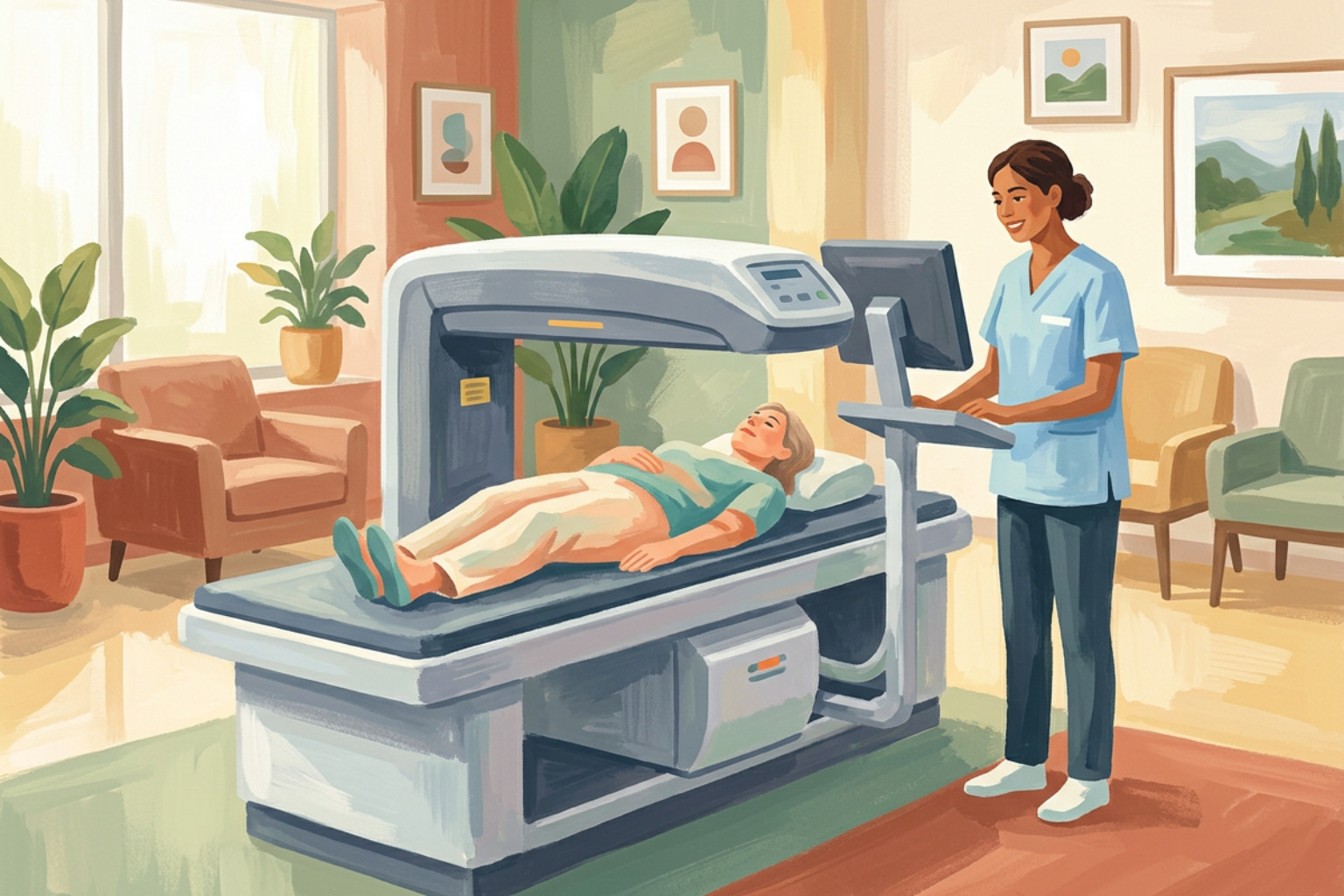
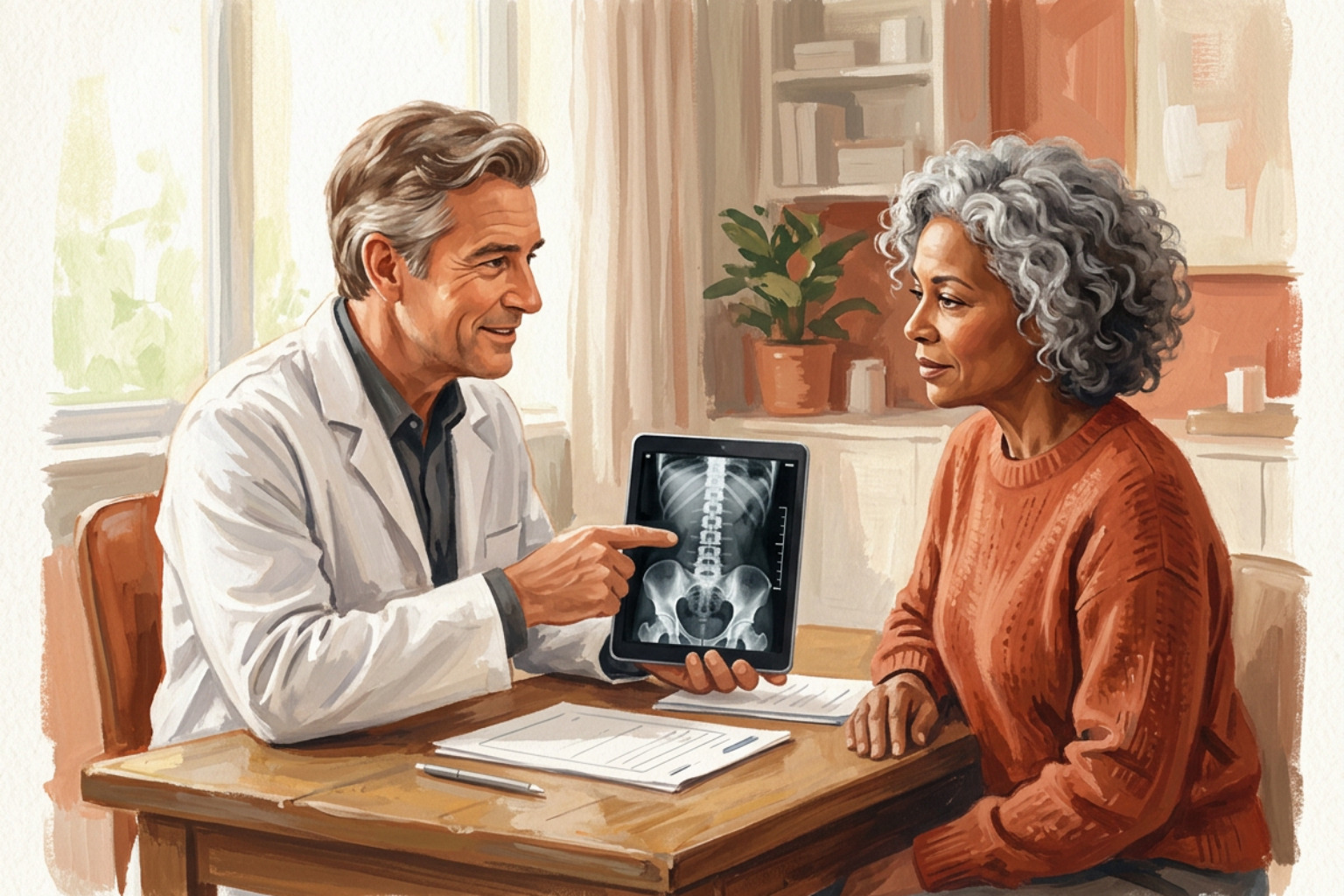
To prevent a bone break, you must first know how strong your bones are. The standard tool for this is a DEXA scan (dual-energy X-ray absorptiometry), a quick, painless, low-dose X-ray that measures how thick and dense your bones are — a key indicator of their strength and your risk of fracture.
The scan compares your bone strength to that of a healthy young adult. This comparison gives you a number called a T-score. Here is what the numbers mean:
- -1.0 or higher: Your bone strength is normal.
- Between -1.0 and -2.5: You have osteopenia, which means thinning bones. Your bones are weaker than normal, but you do not have osteoporosis yet.
- -2.5 or lower: You have osteoporosis, a condition where bones become thin, brittle, and easy to break.
Knowing your T-score is the first step in managing your DEXA T-score fracture risk. It helps your doctor decide if you need lifestyle changes, exercise plans, or medication.
Identifying Silent Bone Loss
Osteoporosis is often called the "silent thief" because bone mineral density (the amount of calcium and other minerals in your bones) can decline for years without any symptoms. Many people do not realize their bones are weakening until they experience a sudden break from a minor stumble.
Screening guidelines recommend that women aged 65 and older get a DEXA scan. Men aged 70 and older, or anyone over 50 with risk factors like a previous break, should also talk to their doctor about getting screened. Medicare typically covers these scans every two years for people who meet the criteria. You can learn more about managing these early stages in Bone Health 101: Osteoporosis Facts & Tips.
How Heavy Resistance Training Builds Stronger Bones
Many people believe that gentle exercise is enough to keep bones healthy. However, the science shows that bones only grow stronger when they are loaded with enough weight to trigger the cells that build new bone.
These bone-building cells are called osteoblasts (the cells that lay down new bone). To get osteoblasts to do their job, you need to apply an osteogenic load (a load big enough to grow bone).
The most effective way to achieve this load is through progressive resistive exercise (slowly adding more weight as your body adapts). Clinical guidelines, including the DVO practice guideline on exercise for fracture prevention, strongly recommend supervised strength training.
To protect your hips and spine, you should focus on large compound movements:
- Squats: These strengthen the upper legs and hips.
- Lunges: These build single-leg strength and improve coordination.
- Romanian Deadlifts (RDLs): This is a move where you bend at the hips, not the waist, to lift a weight. It targets the back of your legs and your lower back.
Power training is also vital. Power is strength combined with speed (how fast you can produce force). Power is what allows you to quickly step out and catch yourself if you trip. Safe power exercises can include rising quickly from a chair or performing gentle hopping movements, but these must be cleared by a professional first. You can read more about why simple movement is not enough in Walking Helpful But Not Enough.
Why Light Weights and Walking Are Not Enough
While walking is wonderful for your heart and mood, it does not provide enough mechanical stress to build bone. Light weights and high-repetition circuits are great for building muscle endurance, but they do not create the heavy bone loading needed to trigger osteoblasts.
As people age, they also lose muscle mass and strength, a process called sarcopenia. Heavy resistance training fights sarcopenia while simultaneously building bone. If you want to know more about the cellular process, check out How Exercise Builds Bones.
Safe Movements for Spine and Hip Protection
Safety is key when lifting weights, especially if you have thinning bones. To protect your spine, you must practice hip hinging. This means bending from your hips while keeping your back long and straight, rather than rounding your back forward.
Loaded spinal flexion (rounding your back forward while holding weight) should be avoided because it puts high pressure on the front of your spinal bones, raising the risk of a break. Instead, focus on spinal extension (gently arching or straightening the back) to strengthen your posterior chain (the muscles on the back of your body, like your glutes and back muscles). For safe movement patterns, explore Strength Training and Osteoporosis.
Active Fracture Prevention Strategies for Seniors
Exercise does more than just build bone; it is also one of the most effective ways to prevent falls. The JAMA USPSTF systematic review on fall prevention found that exercise programs significantly reduce both falls and fall-related injuries in older adults.
An effective program must include dynamic balance training. Standing still on one leg is a start, but real life requires dynamic balance (moving while balancing on one leg). Exercises that challenge you to step in different directions, walk heel-to-toe, or turn around safely are highly effective.
Other research-supported strategies include:
- Tai Chi: Slow, controlled weight-shifting movements can improve balance, posture, and body awareness, which may lower fall risk.
- Hip Protectors: Padded undergarments may reduce hip fracture risk during a fall, especially in higher-risk settings, but they only help when worn consistently.
- Muscle Power Training: Practicing safe, faster movements can help seniors react more quickly to slips or stumbles.
You can find practical balance routines in Fall Prevention Bone Exercises.
The Critical Link Between Falls and Hip Fractures
Falls are the direct cause of almost all hip fractures. A study in the Journal of Trauma and Acute Care Surgery highlights that fall-related injuries are a major source of hospitalization for seniors. Because the mortality rates and functional recovery challenges after a hip fracture are severe, preventing the fall in the first place is the single most important thing you can do to protect your independence.
Medical and Nutritional Support for Bone Health
Exercise works best when your body has the raw materials it needs to build bone. It is also important to work with your doctor to see if you need medical treatments.
Medications for osteoporosis generally fall into two categories:
- Antiresorptive agents: These include bisphosphonates and denosumab. They act like a shield, slowing down the cells that break down bone.
- Anabolic agents: These are bone-building medications that actively signal your body to lay down new bone.
Your doctor can help you decide When to Start Osteoporosis Treatment based on your DEXA scan results and overall risk. Additionally, the Consensus recommendations for fragility fracture prevention suggest having a regular medication review with your doctor or pharmacist. Many common prescription drugs can cause side effects like dizziness or sleepiness, which directly increase your risk of falling.
Essential Nutrients for Bone Strength
Nutrition is the foundation of bone health. According to the EUGMS statement on comprehensive fracture prevention, seniors must hit specific daily targets to keep their bones strong:
- Calcium: Seniors generally need about 1,200 mg of calcium daily, ideally from foods like dairy, leafy greens, and calcium-fortified foods.
- Vitamin D: This vitamin helps your body absorb calcium. Most guidelines recommend 800 to 1,000 IU of vitamin D daily.
- Protein: Protein is essential for keeping muscles strong. Seniors should aim for about 1.2 to 2.0 grams of protein per kilogram of body weight daily to fight muscle loss.
Frequently Asked Questions about Fracture Prevention
What are the most effective fracture prevention strategies seniors can use at home?
The most effective home strategies combine physical activity with basic safety. Focus on dynamic balance exercises and strength training to keep your body steady. Have your primary care doctor perform a medication review to ensure your prescriptions are not causing dizziness.
For your home environment, you can refer to the Falls and Fractures in Older Adults: Causes and Prevention guide from the National Institute on Aging. It recommends keeping walkways clear of clutter, securing loose rugs, installing grab bars in the bathroom, and ensuring all rooms and stairways are well-lit.
Why is walking alone not enough to prevent fractures?
Walking is excellent for your cardiovascular health, but it does not provide a high enough osteogenic load. To build new bone, you need to apply mechanical stress that is heavier than what your body is used to. Progressive resistance training with weights forces your bones to adapt by becoming denser and stronger. You can read a detailed breakdown of this topic in Walking Helpful But Not Enough.
How does a prior break affect future fracture risk?
A prior break significantly increases your risk of breaking another bone. This is known as the cascade effect. If you have already experienced a fragility fracture (a break from a fall from standing height or less), it is a clear sign that your bones are weak. Secondary prevention—which includes medical treatment, targeted exercise, and nutrition—is critical to stop the cycle. You can learn how to protect yourself after a break in Groove's Osteoporosis Starter Guide.
Putting Your Fracture Prevention Plan Into Action
Preventing fractures is about taking control of your health so you can keep doing the things you love. By combining a bone-strengthening exercise plan, proper nutrition, regular medical screenings, and home safety, you can dramatically lower your risk of a life-altering break.
If you are looking for guidance, Groove Health offers a personalized bone health program designed to help older adults protect their bones and prevent falls. Each member gets a personalized, progressive exercise plan designed by a physical therapist to safely match their current ability. This plan is delivered as part of a comprehensive, home-based care plan supervised by a physician. This care model directly supports fracture prevention by ensuring you perform the correct, bone-building exercises safely in your own home, with professional guidance to prevent falls and build lasting bone strength.
To learn more about how you can build stronger bones and maintain your independence, visit Groove Health.
Works Cited
- Guirguis-Blake JM, Perdue LA, Coppola EL, et al. Interventions to Prevent Falls in Older Adults: Updated Evidence Report and Systematic Review for the US Preventive Services Task Force. JAMA, 2024.
- Kemmler W, Schoene D, Kohl M, et al. Exercise for fracture prevention - evidence and consensus-based practice guideline of the osteology umbrella association (DVO). BMC Endocrine Disorders, 2026.
- Sáez-López P, Aldecoa Álvarez-Santullano C, Arboiro-Pinel R, et al. Recommendations for the prevention of fragility fractures: a consensus from international experts and Ibero-American scientific societies. Archives of Osteoporosis, 2025.
- Blain H, Masud T, Dargent-Molina P, et al. A Comprehensive Fracture Prevention Strategy in Older Adults: The European Union Geriatric Medicine Society (EUGMS) Statement. The Journal of Nutrition, Health & Aging, 2016.
- Crandall M, Duncan T, Mallat A, et al. Prevention of fall-related injuries in the elderly: An Eastern Association for the Surgery of Trauma practice management guideline. Journal of Trauma and Acute Care Surgery, 2016.
- National Institute on Aging. Falls and Fractures in Older Adults: Causes and Prevention. NIA, 2024.
This content is for informational purposes only and does not constitute medical advice. Consult a qualified healthcare professional for diagnosis and treatment. If you are on Medicare and interested in a personalized bone health program, you can check your eligibility at groovehealth.com.