Step-by-Step Guide to Ways to Increase Bone Density Naturally
Bones stay responsive at every age. This step-by-step guide covers the resistance training, key nutrients, and daily habits shown to slow bone loss—and help rebuild density—after 65.
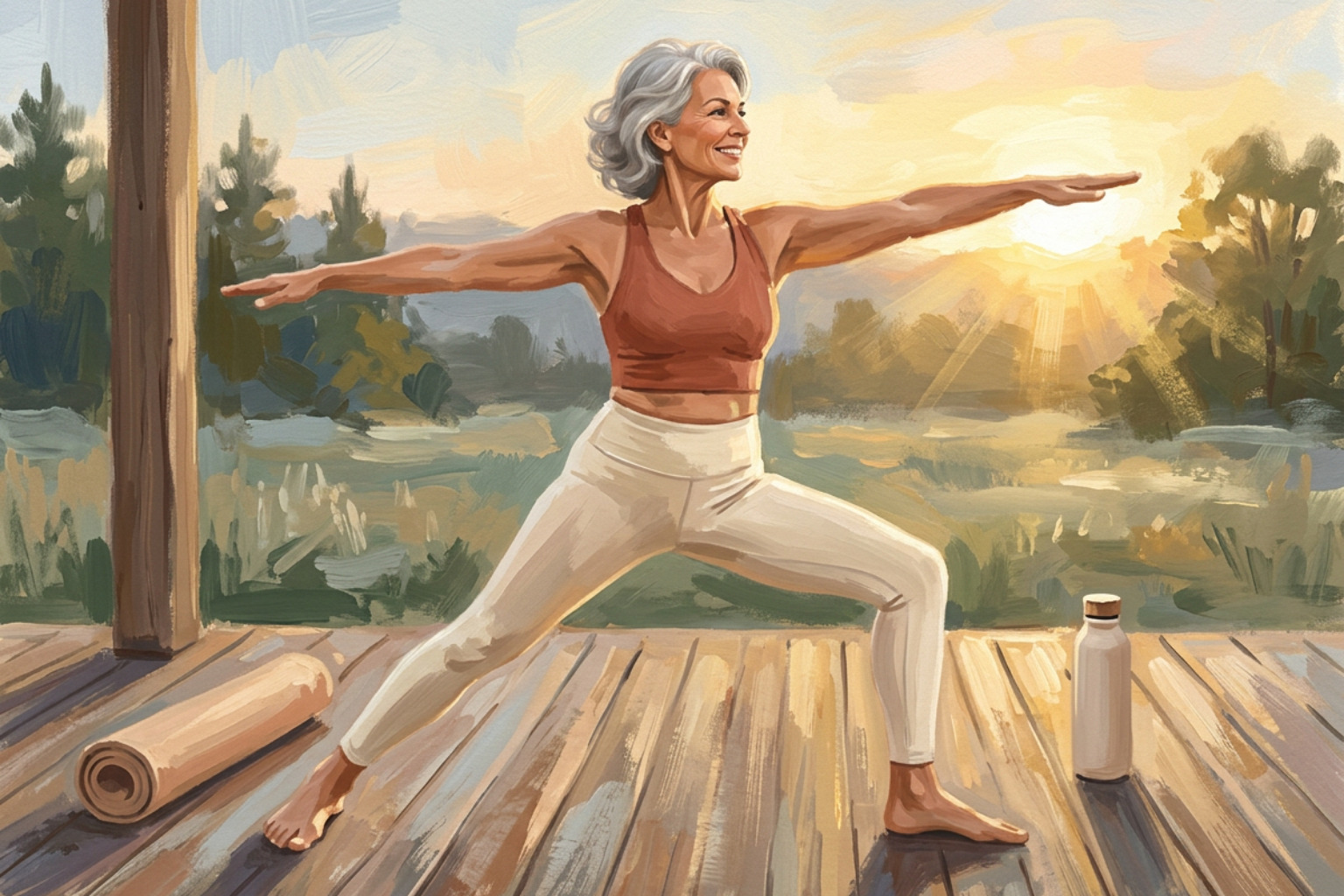
Why Bone Density Matters After 65
The ways to increase bone density naturally are more powerful than most people realize, and more urgent. About 1 in 3 women over 50 will break a bone due to osteoporosis. For adults 65 and older, a single hip fracture can mean months of recovery, lost independence, or worse.
The good news: your bones are living tissue. They respond to what you eat, how you move, and how you live. You have more influence over your bone health than you might think.
Here are the most effective, evidence-backed ways to increase bone density naturally:
- Do resistance training (loaded squats, hip hinges, lunges etc.) 2-3 times per week for 20-30 minutes
- Eat enough calcium — 1,200 mg daily for adults over 50
- Get enough vitamin D — supports calcium absorption; most adults need 600-800 IU daily
- Eat adequate protein — at least 1.0-1.2 g per kg of body weight daily
- Include vitamin K2 and magnesium in your diet through food or supplements
- Stop smoking and limit alcohol to one drink or fewer per day
- Prioritize sleep — bone rebuilds itself primarily during deep sleep
- Maintain a healthy body weight — being underweight is a significant risk factor
Quick safety note: natural bone-building habits can help, but they should support your medical plan, not replace treatment your doctor recommends.
If you've recently gotten a bone density scan (DEXA scan) and weren't sure what to make of the results, you're not alone. Many people are told their bones are thinning — a condition called osteopenia — or that they have osteoporosis (more significant bone loss that raises fracture risk) without much guidance on what to do about it.
This guide walks you through what the latest research says section-by-section: how bone loss happens, which nutrients matter most, what kind of exercise actually rebuilds bone (hint: not all movement does), and which everyday habits quietly protect or damage your skeleton over time.
Bone mineral density is a measure of how strong and solid your bones are. It shows how much calcium and other important minerals are stored inside them. Think of your bones like a wooden chair. When the wood is sturdy and dense, the chair can support weight well. When the wood becomes thin or weak, it is more likely to crack under pressure.
When you turn 65, maintaining this mineral strength becomes your primary defense against breaks. Thinning bones can lead to osteopenia, which is early bone loss. Left unchecked, it often progresses to osteoporosis, a disease where bones become so fragile that even a minor fall can cause a painful break.
Protecting your bones is not just about avoiding pain. It is about keeping your freedom to move, walk, and live on your own terms. For practical advice on how to start protecting your skeleton today, you can read about 9 Ways to Support Stronger Bones from a Nutritionist.
How Aging and Hormones Affect Your Skeleton
Your bones are not static stones. They are dynamic, living organs that go through a constant cycle called bone remodeling. During this cycle, specialized cells called osteoclasts break down old, worn-out bone. Meanwhile, other cells called osteoblasts build new, strong bone.
When you are young, the builders work faster than the breakdown crew. Your bone mass peaks between the ages of 25 and 30. After age 30, the breakdown crew slowly starts to outpace the builders.
For women, this process speeds up dramatically during menopause. Estrogen is a hormone that acts like a protective shield, slowing down the cells that break down bone by signaling them to stop their work. When estrogen levels drop during menopause, this protective signal weakens, and women can lose up to 20 percent of their bone density in just five to seven years. Men also experience bone loss as testosterone levels slowly decline with age, though their loss is usually more gradual. To learn more about how your body manages this delicate balance, you can read the Surgeon General's report on Lifestyle Approaches to Promote Bone Health.
Nutritional Ways to Increase Bone Density Naturally
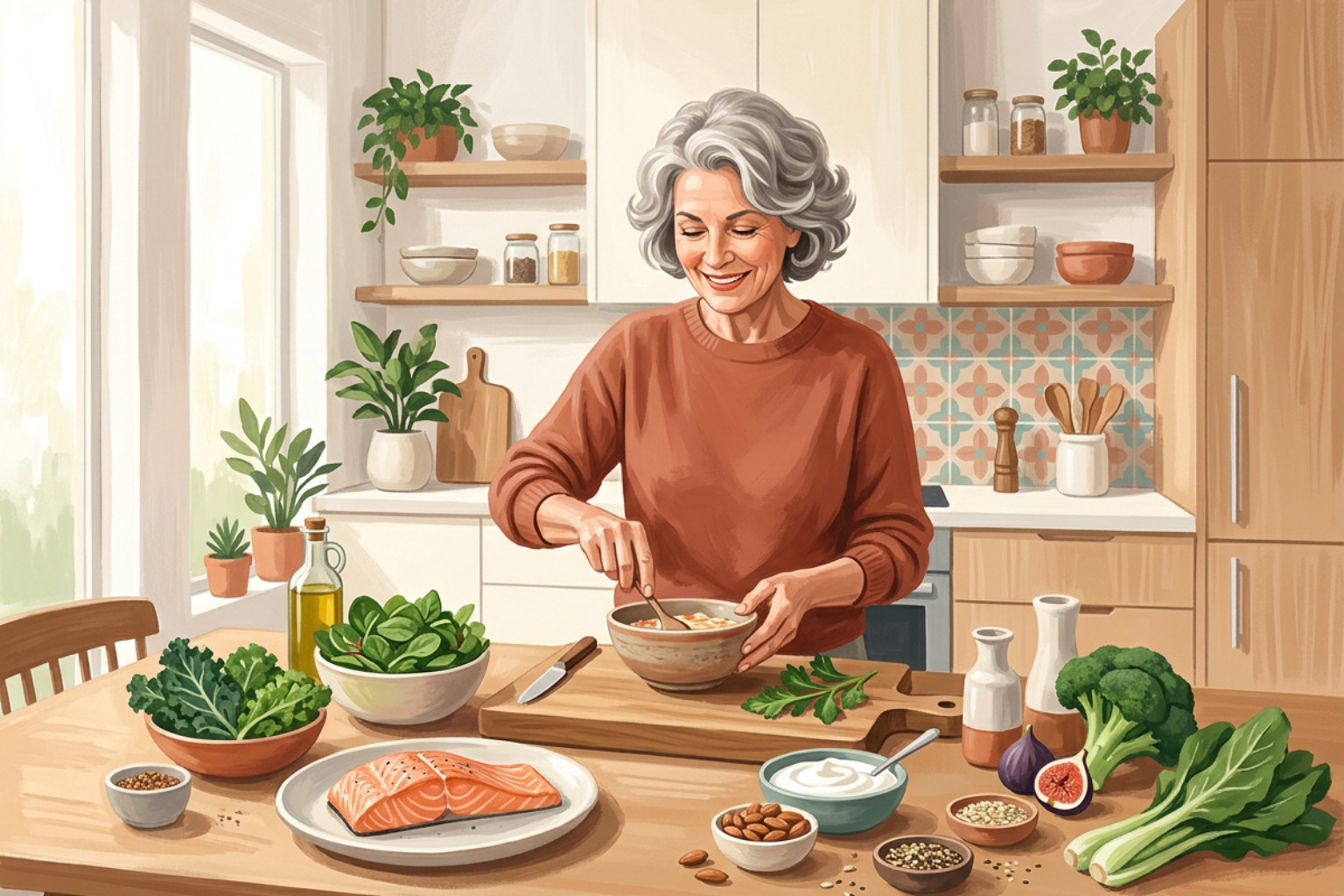
What you put on your plate provides the raw materials your body needs to rebuild your skeletal bridge. Without the right nutrients, your bone-building cells cannot do their job.
Recent studies also point to the gut-bone axis: the two-way connection between your digestive system and your skeleton. Your gut microbiome helps with mineral absorption, including calcium, and may help regulate inflammation. In a 12-month clinical trial of women with osteopenia, a bone health synbiotic- a beneficial bacteria plus the fibers that feed them- was linked with 85% better bone density outcomes compared with placebo.
To build a diet that supports this system, refer to the Ultimate Bone Density Diet Guide and learn about specific Food to Make Strong Bones.
Here is a quick look at the vital nutrients your bones need daily:
| Nutrient | Daily Target for Older Adults | Top Food Sources |
|---|---|---|
| Calcium | 1,200 mg for women 51+ and adults 71+; 1,000 mg for men 51 to 70 | Yogurt, fortified milk, canned sardines with bones, kale, calcium-set tofu |
| Vitamin D | 600 IU through age 70; 800 IU after 70 | Salmon, fortified dairy, egg yolks, safe sun exposure |
| Magnesium | 320 mg for women; 420 mg for men | Leafy greens, pumpkin seeds, almonds, black beans |
| Vitamin K | 90 mcg for women; 120 mcg for men | Leafy greens, natto, hard cheeses, egg yolks |
| Protein | About 1.0 to 1.2 g per kg of body weight | Chicken, fish, Greek yogurt, lentils, eggs |
Calcium and Vitamin D: The Foundation of Bone Strength
Calcium is the primary mineral that hardens your bones, but it cannot do the job alone. It needs vitamin D, which acts like a key that opens the doors in your intestines to let calcium enter your bloodstream. If you do not have enough vitamin D, your body cannot absorb the calcium you eat, and it will steal calcium from your bones instead.
Most older adults do not get enough calcium from their food. To reach your 1,200 mg daily goal, aim to include dairy products, dark leafy greens, and canned fish with soft bones, like sardines, in your meals.
Other Essential Nutrients Your Bones Need
While calcium and vitamin D get the most attention, several other nutrients are just as critical:
- Magnesium: Roughly half to 60 percent of the body’s magnesium is found in bone. It supports normal bone structure and helps enzymes involved in vitamin D metabolism, which matters for calcium absorption. You can explore this connection further by reading about Magnesium for Bone Density.
- Vitamin K2: Vitamin K helps activate osteocalcin, a protein involved in binding calcium within bone. K2 may support bone health, but it is not accurate to say that calcium automatically goes to blood vessels or joints without it.
- Protein: Bone is not just mineral. It also has a flexible protein framework, largely collagen, that gives bone some resilience. Getting enough protein helps maintain this structure, especially as we age. Read more in Building Bones: Why Protein Matters.
- Collagen Peptides: Early research suggests collagen peptide supplements may support bone mineral density in some postmenopausal adults, especially when paired with calcium, vitamin D, and strength training. Learn about the science behind this at Collagen Supplements for Bone Density.
- Prunes and Soy: Studies suggest that eating about five to six prunes per day may help some postmenopausal women slow bone loss. Soy isoflavones have also been studied for bone health, but results are mixed and the benefits appear modest, not dramatic.
How Heavy Strength Training and Impact Build Stronger Bones
Many people believe that any type of movement is good for bone health. While walking, swimming, and cycling are excellent for your heart and muscles, they do not apply enough force to grow new bone.
Your bones only grow stronger when they experience an osteogenic load, which is a physical force heavy enough to signal your osteoblasts to build new bone. To trigger this signal, you must lift weights that challenge your muscles. Research protocols show that lifting weights at 75 to 80 percent of the maximum amount you can lift one time significantly improves bone density in the spine and hips.
To load your hips and spine safely, focus on large compound movements. These are exercises that use multiple joints at once:
- Squats: These load your hips, thighs, and lower back.
- Lunges: These strengthen each leg individually and improve balance.
- Hip Hinges: This is the motion of bending from your hips while keeping your back long and straight, not rounded. A classic example is a Romanian deadlift.
Always prioritize spinal extension, which means keeping your back long and upright. Avoid loaded spinal flexion, which is bending forward and rounding your spine while holding a weight, because this can put dangerous pressure on thinning vertebrae. For a deeper look at how this works, read How Exercise Builds Bones and discover the Best Exercise for Bones.
Adding Power and Balance Training Safely
To build a truly resilient skeleton, your exercise routine should also include power and balance:
- Power Training: Power is your ability to move weight quickly. It is what helps you react fast enough to catch yourself if you slip. If safe for your joints, light impact exercises like small hops, step-ups, or gentle jumping jacks can help build power and stimulate bone growth.
- Balance Training: Fall prevention is the most critical part of protecting your bones because 88 percent of hip fractures in older adults are caused by falls. Start with static balance, which is holding still, like standing on one leg near a sturdy chair. As you get stronger, progress to dynamic balance, which means staying steady while moving, such as stepping over obstacles. Tai Chi is also a highly researched, gentle option that improves balance and lowers fall risk.
Lifestyle Habits That Affect Your Bones
Daily habits have a major impact on how quickly your body builds or loses bone:
- Smoking Cessation: Smoking is consistently linked with lower bone mineral density and higher fracture risk.
- Alcohol Moderation: Heavy alcohol use raises fracture risk and can interfere with bone remodeling, balance, and nutrient absorption. Many bone health guidelines recommend limiting alcohol to moderate intake.
- Sleep Quality: Poor or short sleep is associated with lower bone mineral density in observational studies. Aim for about seven to nine hours of consistent, restful sleep, unless your clinician recommends otherwise.
- Weight Management: Being underweight is a known risk factor for low bone density and fractures, partly because bones get less mechanical loading and nutrition may be inadequate. Focus on a stable, healthy weight.
- Stress and Cortisol: Chronically high cortisol levels, including from long-term steroid use or certain medical conditions, can speed bone loss. Stress management will not rebuild bone by itself, but it can support sleep, activity, and healthier routines.
Frequently Asked Questions About Natural Bone Health
Can you reverse osteopenia naturally?
While you cannot completely reverse severe osteoporosis overnight, you can often stop, slow down, or improve early bone thinning (osteopenia) naturally. By combining heavy strength training, a mineral-rich diet, and proper sleep, you can help your bone-building cells outpace bone loss. For details on designing a helpful meal plan, see our guide on the Diet to Increase Bone Density.
How long does it take to increase bone density?
Bone remodeling is a slow and steady process. Your body needs time to lay down new minerals and harden the bone matrix. Most clinical studies do not measure changes until you have been consistent with your nutrition and exercise routine for at least 6 to 12 months.
When should I get a DEXA scan?
Bone density screening is generally recommended for women aged 65 and older, and men aged 70 and older. If you have risk factors, like a family history of osteoporosis, a history of smoking, or a previous bone break, you should talk to your doctor about getting screened earlier. Medicare covers bone density scans once every 24 months for qualified individuals, and sometimes more often if it is medically necessary.
Start Building Stronger Bones Today
Building stronger bones naturally is a lifelong journey of small, consistent choices. What you eat, how much you lift, and how you care for your body today determines the strength of your skeleton tomorrow.
If you want professional guidance on this journey, Groove Health can help. Groove Health is a Medicare-covered bone health program that directly translates these natural bone-building strategies into a personalized, home-based care model. Rather than navigating heavy lifting or balance training on your own, Groove Health pairs you with a physical therapist who designs a customized, progressive exercise plan tailored to your current abilities. This structured program helps you safely apply the physical force needed to stimulate bone growth, improve your balance to prevent fractures, and manage osteoporosis from the comfort of your home.
To take the next step in protecting your independence, Check your eligibility at groovehealth.com.
Works Cited
- Office of the Surgeon General. “Lifestyle Approaches to Promote Bone Health.” Bone Health and Osteoporosis: A Report of the Surgeon General, 2004.
- LeBoff, M. S., et al. “The Clinician’s Guide to Prevention and Treatment of Osteoporosis.” Osteoporosis International, 2022.
- Institute of Medicine. “Dietary Reference Intakes for Calcium and Vitamin D.” National Academies Press, 2011.
- Watson, S. L., et al. “High-Intensity Resistance and Impact Training Improves Bone Mineral Density and Physical Function in Postmenopausal Women With Osteopenia and Osteoporosis: The LIFTMOR Randomized Controlled Trial.” Journal of Bone and Mineral Research, 2018.
- Weaver, C. M., et al. “Calcium Plus Vitamin D Supplementation and Risk of Fractures: An Updated Meta-analysis from the National Osteoporosis Foundation.” Osteoporosis International, 2016.
- U.S. Preventive Services Task Force. “Screening for Osteoporosis to Prevent Fractures: Recommendation Statement.” JAMA, 2025.
This content is for informational purposes only and does not constitute medical advice. Consult a qualified healthcare professional for diagnosis and treatment. If you are on Medicare and interested in a personalized bone health program, you can check your eligibility at groovehealth.com.