How to Eat Your Way to Stronger Bones
The best foods for strong bones go beyond dairy. Learn which calcium-rich foods, leafy greens, canned fish, and surprising picks like prunes protect bone density at every age.

Why Bone-Building Nutrition Matters More Than Most People Realize
The best food to make strong bones includes calcium-rich dairy and leafy greens, fatty canned fish, fortified plant milks, tofu, nuts, legumes, and fruits like prunes and figs — alongside adequate vitamin D sources such as oily fish and eggs.
Quick reference — top bone-building foods:
| Food | Key Nutrient(s) | Notable Amount |
|---|---|---|
| Dairy (milk, yogurt) | Calcium, protein | ~300 mg calcium per cup of milk |
| Canned sardines or salmon (with bones) | Calcium, vitamin D, omega-3s | Up to 325 mg calcium per 3 oz |
| Calcium-set tofu | Calcium, protein | ~430 mg calcium per 4 oz |
| Kale, bok choy, collard greens | Calcium, vitamin K | 169–327 mg calcium per cooked cup |
| Fortified plant milks | Calcium, vitamin D | 350–400 mg calcium per 8 oz |
| Canned white beans | Calcium, magnesium | ~190 mg calcium per cup |
| Almonds | Calcium, magnesium | ~75 mg calcium per quarter-cup |
| Prunes | Polyphenols, boron, vitamin K | 5–6 daily linked to hip bone density |
| Dried figs | Calcium | ~65 mg calcium per 2 figs |
| Eggs | Vitamin D | Small but meaningful dietary source |
Bone is not inert material. It is living tissue — continuously broken down by cells called osteoclasts and rebuilt by cells called osteoblasts in a process known as bone remodeling. This cycle depends heavily on the nutrients the body has available.
Most people reach their peak bone mass around age 30. After that, the balance gradually shifts: resorption begins to outpace formation. For women, this accelerates sharply after menopause, when declining estrogen removes a key biological brake on bone loss. According to NIH data, one in two women over 50 will fracture a hip, wrist, or spine during their lifetime — and osteoporosis affects four times as many older women as men.
Diet cannot typically reverse established osteoporosis on its own. But the evidence is clear that what you eat plays a meaningful role in how much bone you build before age 30, how slowly you lose it afterward, and how well your skeleton responds to treatment. The foods covered in this article address that full spectrum.
The Biological Role of Nutrition in Bone Remodeling and Density
Bones serve as the body's reservoir for essential minerals. When dietary intake is insufficient, the body prioritizes immediate physiological needs—such as muscle contraction and heart rhythm—by extracting calcium from the skeleton. This process is mediated by osteocytes, mature bone cells that sense mechanical strain and signal the need for remodeling.
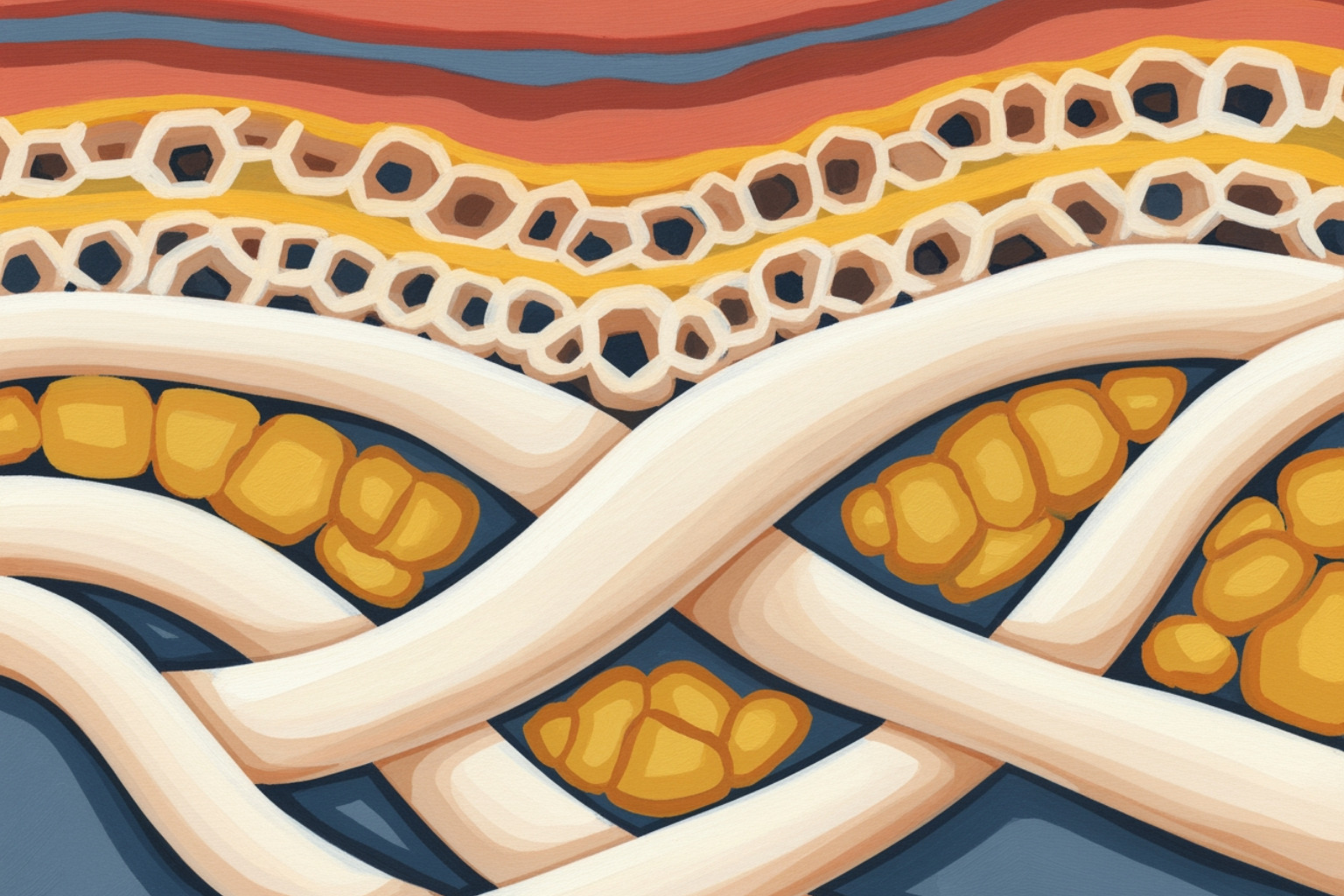
The skeleton is composed of two primary types of tissue: cortical bone, the dense outer layer that provides structural strength, and trabecular bone, the spongy, honeycomb-like interior. Trabecular bone is more metabolically active and is often where the first signs of bone loss appear on a scan. Maintaining the integrity of both requires a steady supply of Osteoporosis Diet & Nutrition: Foods for Bone Health.
The Impact of Estrogen Decline on Bone Mineral Density
For women, menopause is a major turning point for bone health. Estrogen plays a key role in keeping bone breakdown in check by slowing osteoclasts, the cells that remove old bone. When estrogen levels fall, the body produces more inflammatory substances, which can speed up bone resorption. For strategies beyond diet, see our guide to natural menopause support. The result is faster bone mineral density loss and a higher risk of fragility fractures in the years after menopause.
Peak Bone Mass and Age-Related Resorption
Reaching a high peak bone mass by age 30 acts as a "savings account" for later life. As adults age, they may also experience sarcopenia, or age-related muscle loss. Because muscles pull on bones to stimulate growth, losing muscle mass indirectly weakens the skeleton. By focusing on food to make strong bones that also supports muscle synthesis—such as high-quality protein—older adults can better maintain their skeletal integrity and reduce fall risks.
Clinical Evidence for the Best Bone-Building Foods
Dairy gets most of the attention for calcium, but it's far from the only food that supports strong bones. Research highlighted by Harvard Health's guide to surprising foods that boost bone health shows that what matters is not just how much of a nutrient a food contains, but how much your body can actually absorb and use.
Fortified and Whole-Food Calcium Sources
For those following a plant-based diet, getting enough calcium usually takes a bit of planning.
- Fortified plant milks: Many soy, almond, and oat milks are enriched with calcium, often giving roughly the same amount per cup as dairy milk. They can be a practical option for people who do not eat dairy.
- Whole milk dairy foods: If you do eat dairy, milk, yogurt, and cheese are some of the most reliable foods for bone health. They naturally provide calcium, protein, and often phosphorus, all of which help support bone structure. Yogurt and milk may also be fortified with vitamin D.
- Tofu made with calcium sulfate: Calcium-set tofu can be a strong bone-friendly choice, with some varieties delivering a meaningful amount of calcium in a small serving.
- Fortified cereals: Some breakfast cereals can help fill calcium gaps too, especially for people who need easy, convenient options. Lower-sugar choices are usually the better bet.
Canned Fish: A Highly Bioavailable Calcium Source
Canned sardines and salmon are exceptional for bone health because they are processed with their soft, edible bones. A 3-ounce serving of canned salmon provides roughly 180 mg of calcium, which is five times the amount found in a fresh fillet. These fish also provide vitamin D and omega-3 fatty acids, which help reduce the inflammation that can contribute to bone breakdown.
The Role of Prunes in Preserving Hip Bone Density
One of the most significant recent findings in bone nutrition involves prunes (dried plums). A 2022 study published in the American Journal of Clinical Nutrition found that postmenopausal women who ate five or six prunes (about 50 grams) daily for one year preserved bone mineral density in their hips compared to a control group. Prunes are rich in polyphenols and boron, which are thought to reduce inflammatory markers and slow the rate of bone resorption.
Micronutrient Synergy: The Role of Magnesium, Vitamin K, and Protein
Bone health is the result of a complex interplay between several micronutrients. Calcium cannot build bone alone; it requires "assistants" to be absorbed and directed to the right places.
| Nutrient | Role in Bone Health | Top Food Sources |
|---|---|---|
| Magnesium | Activates vitamin D; makes up 1% of bone mineral | Pumpkin seeds, almonds, spinach, black beans |
| Vitamin K | Activates osteocalcin to bind calcium to bone | Kale, collard greens, fermented foods (K2) |
| Protein | Forms the collagen matrix; supports muscle mass | Greek yogurt, tofu, lean meats, lentils |
| Vitamin C | Essential for collagen synthesis | Oranges, bell peppers, strawberries, broccoli |
Protein Intake and the Structural Bone Matrix
For a deeper dive into protein's role in skeletal health, see why protein matters for building bones.
About half of bone volume is made up of protein, so getting enough matters. Dietary protein helps support hormones that stimulate bone formation and provides the building blocks for strong bone tissue. It also helps preserve muscle mass, which is important for balance, stability, and lowering fall risk. In older adults, a slightly higher protein intake spread across the day may also support calcium use and help maintain the bone’s structural matrix.
Vitamin K2 and Calcium Carboxylation
Vitamin K comes in two main forms: K1, found mostly in leafy greens, and K2, found in fermented foods and some dairy products. Both support bone health, but K2 gets extra attention because it helps activate osteocalcin, a protein involved in moving calcium into bone. In simple terms: vitamin K helps your body put calcium where you want it - in your skeleton, not scattered in the wrong places.
Dietary Inhibitors: How Sodium and Oxalates Accelerate Bone Resorption
Just as some foods build bone, others can interfere with mineral retention. High levels of certain substances can cause the kidneys to excrete calcium or prevent the gut from absorbing it.
The Oxalate Limitation in Spinach and Beet Greens
A common nutritional myth is that spinach is an ideal calcium source. While spinach is high in calcium, it is also very high in oxalic acid. Oxalates bind to calcium in the digestive tract, preventing its absorption. Only about 5% of the calcium in spinach is bioavailable. For better results, prioritize low-oxalate greens like bok choy, kale, and collard greens, where the calcium absorption rate is much higher.
Impact of Caffeine, Alcohol, and Phosphoric Acid
- Sodium: High salt intake is one of the primary drivers of calcium loss. For every 2,300 mg of sodium excreted by the kidneys, approximately 40 mg of calcium is lost with it.
- Caffeine: Excessive caffeine (more than three cups of coffee per day) can slightly interfere with calcium absorption.
- Phosphoric Acid: Found in dark colas, this additive can disrupt the body's calcium-phosphorus balance, potentially leading to bone loss if dairy or other calcium sources are replaced by soda.
- Alcohol: Heavy alcohol consumption inhibits osteoblasts and can interfere with the liver's ability to activate vitamin D.
Clinical Strategies for Fracture Prevention and Long-Term Maintenance
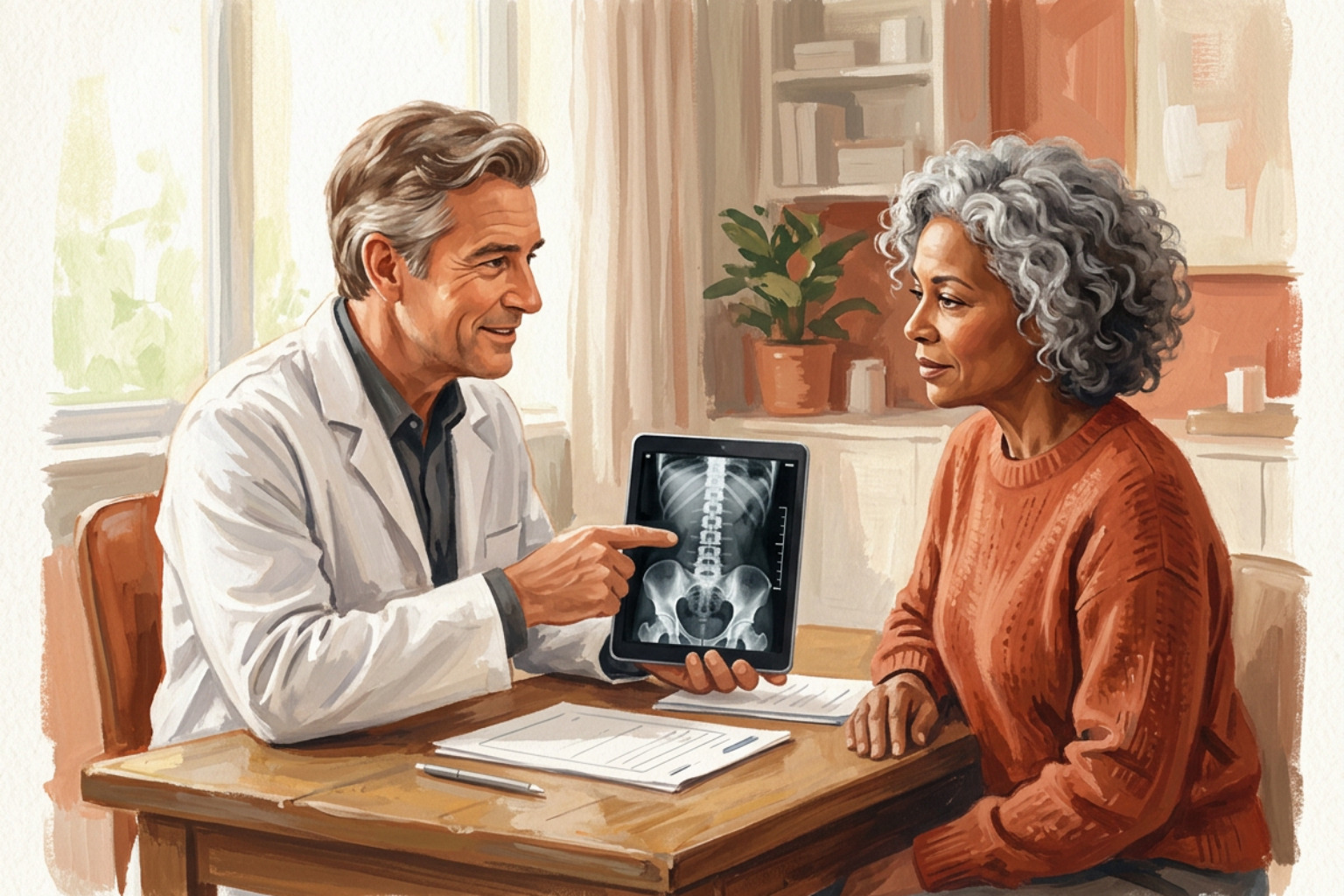
For those diagnosed with osteopenia or osteoporosis, diet is a foundational piece of a larger clinical strategy. A DEXA scan is the gold standard for measuring BMD and providing a T-score, which compares an individual's bone density to that of a healthy young adult.
At Groove Health, we understand that bone health requires a multi-disciplinary approach. Our Medicare-covered program pairs older adults with a physician and a dedicated physical therapist to develop personalized, home-based care plans. This includes both nutritional guidance and specific weight-bearing and resistance training exercises proven to stimulate bone remodeling. You can check your eligibility for the Groove Health program to see if you qualify for personalized support.
Supplementation vs. Whole Food Sources
Our complete supplement guide for bone health covers dosing, timing, and which forms to choose.
Clinical guidelines generally recommend obtaining calcium from food first. Whole foods provide a matrix of micronutrients and antioxidants that supplements cannot replicate. However, for those who cannot meet their needs through diet, supplements may be necessary.
- Calcium Carbonate: Should be taken with food for best absorption. (See our guide to calcium for postmenopausal women for detailed recommendations.)
- Calcium Citrate: Can be taken with or without food and is often better for those with low stomach acid or those taking reflux medications.
- Vitamin D: Unlike calcium, vitamin D is difficult to obtain from food alone. Many adults require a supplement of 800 to 1,000 IU daily, especially during winter months or if they have limited sun exposure.
Frequently Asked Questions about Bone Nutrition
How much calcium do women over 50 require daily?
The National Academy of Medicine recommends 1,200 mg of calcium daily for women aged 51 and older. Men in the same age bracket generally require 1,000 mg until age 71, when their requirement also increases to 1,200 mg.
Can prunes actually improve bone mineral density?
Clinical trials, including "The Prune Study," have shown that eating 5 to 6 prunes daily can help prevent the loss of bone mineral density at the hip in postmenopausal women. They work by reducing inflammation and oxidative stress in bone tissue.
Why is vitamin D necessary for calcium absorption?
Vitamin D acts as a key that unlocks the door for calcium. Without adequate vitamin D, the body can only absorb about 10% to 15% of dietary calcium. It also helps the kidneys reabsorb calcium that would otherwise be lost in urine.
Building a Bone-Friendly Plate for Life
Building and maintaining skeletal strength is a lifelong process that requires more than just a glass of milk. By prioritizing food to make strong bones—from calcium-rich leafy greens and fortified plant milks to nutrient-dense prunes and fatty fish — as explored in our complete bone density diet guide—adults can provide their bodies with the raw materials needed for effective bone remodeling.
When dietary changes are combined with regular DEXA screenings and targeted exercise, the risk of debilitating fractures can be significantly reduced. For more information on navigating an osteoporosis diagnosis or finding a specialized physical therapist, explore Groove's Osteoporosis Starter Guide or visit Groove Health.
Works Cited
- De Souza, M.J. et al. "Prunes preserve hip bone mineral density in a 12-month randomized controlled trial in postmenopausal women: the Prune Study." The American Journal of Clinical Nutrition, 2022.
- Institute of Medicine. "Dietary Reference Intakes for Calcium and Vitamin D." National Academies Press, 2011.
- Shams-White, M.M. et al. "Dietary protein and bone health: a systematic review and meta-analysis from the National Osteoporosis Foundation." The American Journal of Clinical Nutrition, 2017.
- NHS. "Food for strong bones." NHS, 2024.
- Harvard Health Publishing. "Essential nutrients your body needs for building bone." Harvard Health, 2025.
Disclaimer: This content is for informational purposes only and does not constitute medical advice. Consult a qualified healthcare professional for diagnosis and treatment. If you are on Medicare and interested in a personalized bone health program, you can check your eligibility at groovehealth.com.