Can Back and Leg Pain Be Signs of Osteoporosis?
Osteoporosis is often silent, but a spinal compression fracture can cause sudden back pain, height loss, and even leg symptoms. Here is how to tell the signs apart and when to get checked.
When Back Pain May Signal Osteoporosis
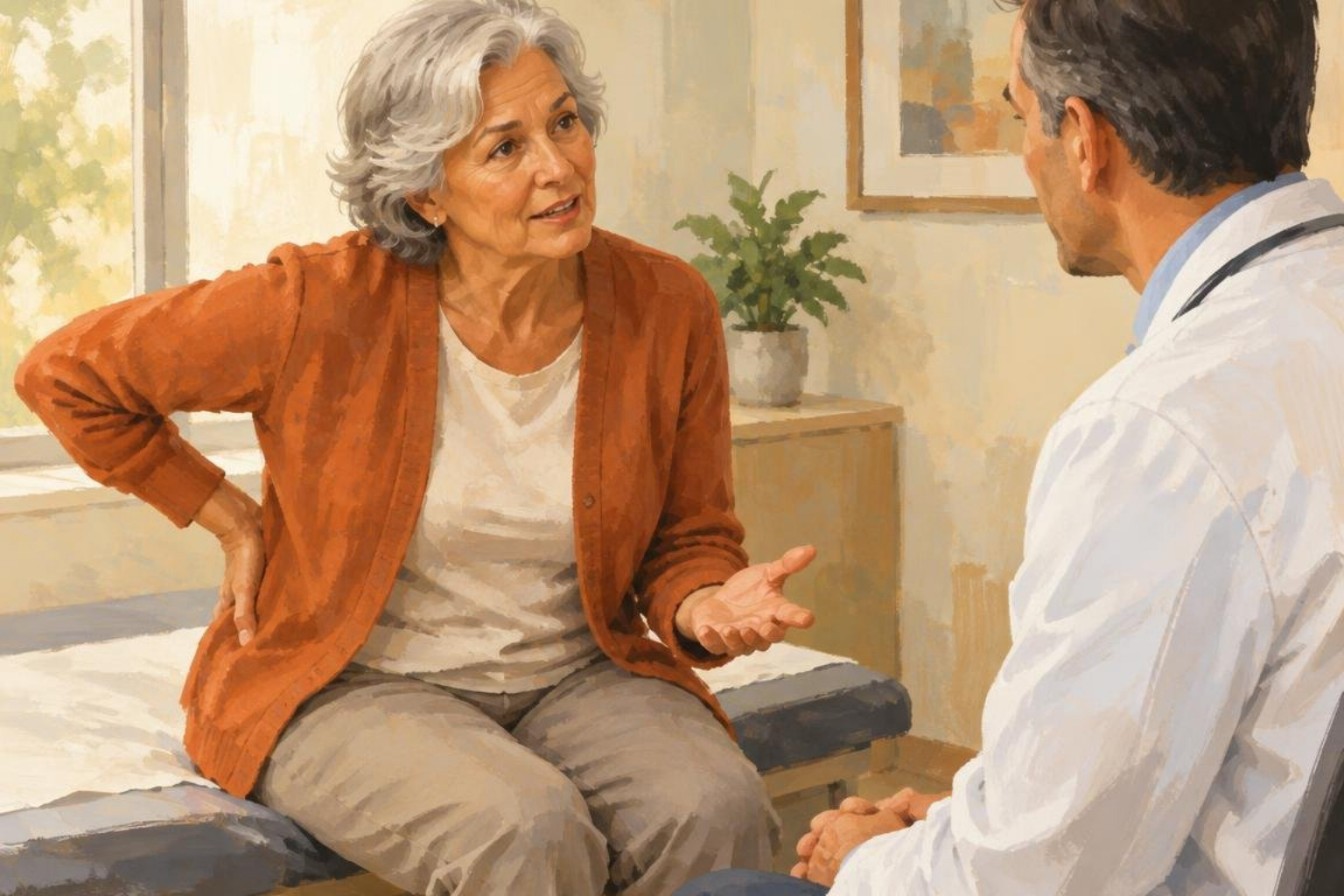
Osteoporosis itself is often painless. Back pain usually begins when weakened spinal bones develop a vertebral compression fracture, where part of a vertebra collapses. The pain may appear suddenly after a small movement like bending, lifting, or coughing. It may also linger as a deep ache that feels worse when standing or walking.
New or worsening back pain deserves medical attention if it is accompanied by:
- Loss of height
- A more rounded upper back or changed posture
- Pain after a minor fall or everyday movement
- Pain that limits normal activities
- New leg pain, numbness, or weakness
Osteoporosis is sometimes called a silent disease because bone loss can happen without obvious symptoms. Still, research suggests that back pain is more common and more severe when osteoporosis has caused spinal fractures. A clinician can check for a fracture with imaging and may recommend a DEXA scan, an X-ray that measures bone strength.
Back pain has many possible causes, including muscle strain, arthritis, and nerve problems. But for adults with osteoporosis, osteopenia, or known fracture risks, it is worth asking whether the spine could be involved. Understanding secondary osteoporosis causes can help identify underlying factors that contribute to bone thinning.
Can Osteoporosis Cause Back or Spine Pain?
Osteoporosis can cause pain across specific sections of the back or along the entire spine, particularly when bone loss weakens the structural support of the vertebrae. While early bone loss does not directly trigger nerve endings inside bone tissue, advanced thinning changes how the spine handles daily physical loads.
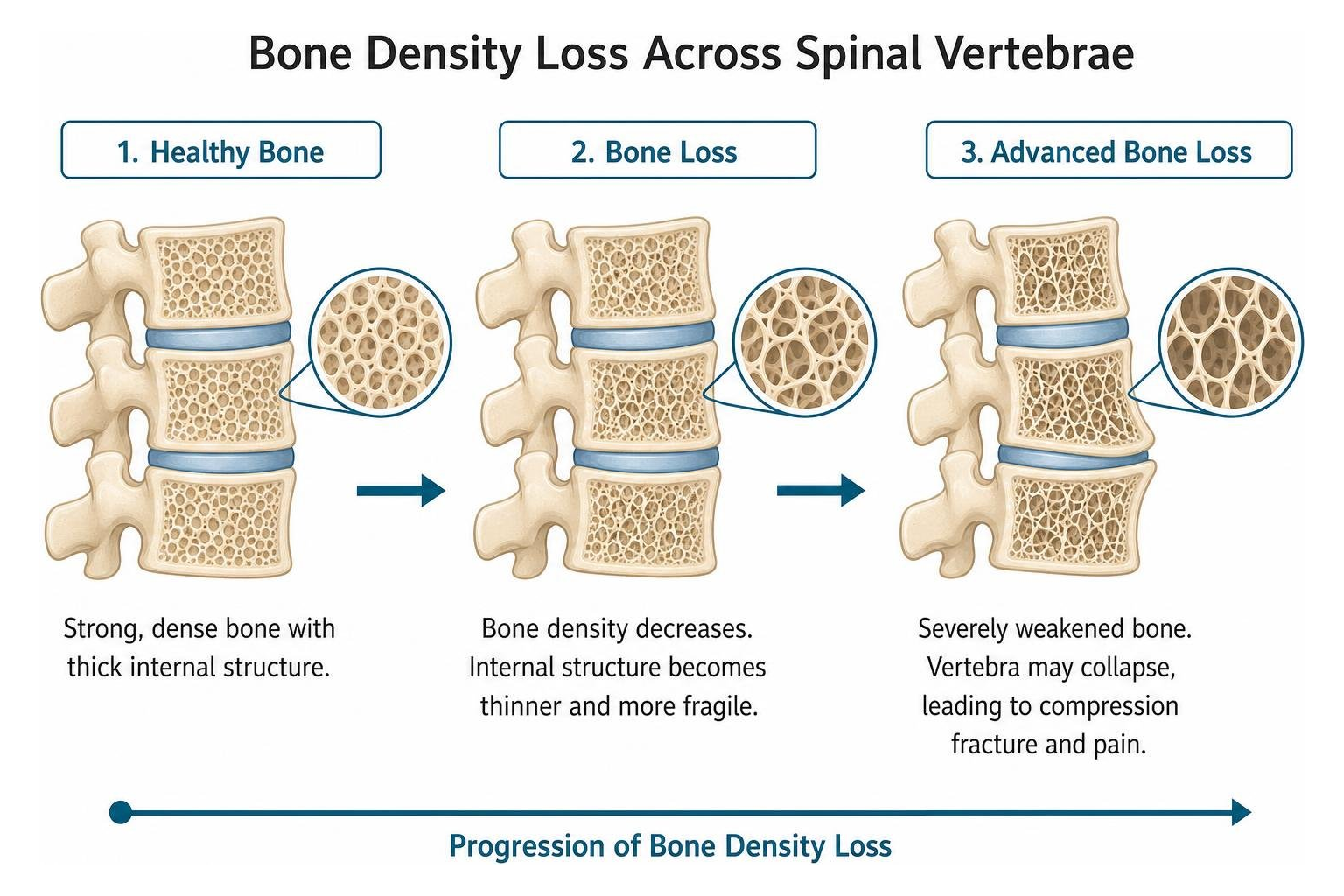
When people ask whether the condition hurts, understanding osteoporosis helps clarify the underlying mechanics. According to the National Institute of Arthritis and Musculoskeletal and Skin Diseases, osteoporosis is a condition where bones become weak and break more easily. The spine consists of 33 stacked vertebrae. As bone remodeling becomes imbalanced and bone breakdown outpaces bone building, the internal honeycomb structure of these vertebrae becomes thin and brittle. This loss of density makes the mid back (thoracic spine) and lower back (lumbar spine) vulnerable to structural stress, fatigue, and sudden breaks.
What Causes Back Pain With Osteoporosis?
Back pain often develops from a mixture of bone nerve signaling and muscular fatigue. The outer surface of bone, called the periosteum, is packed with sensory nerve fibers. When weakened internal bone arches (trabeculae) suffer tiny microscopic cracks under regular body weight, these sensitive outer nerve endings can become irritated.
Furthermore, cellular activity during rapid bone loss releases acidic byproducts that activate acid-sensing ion channels on nearby nerves. When spinal bones lose height or change shape, the surrounding paraspinal muscles must work much harder to keep the body upright. Reviewing essential bone health facts can help explain why chronic postural strain and muscle spasms often accompany spinal thinning.
How Vertebral Compression Fractures Cause Acute Discomfort
A vertebral compression fracture occurs when a weakened spinal bone collapses under routine loads, causing sudden and sharp back discomfort. These breaks happen most often at the thoracolumbar junction, the transitional area where the mid back meets the lower back.
When the front edge of a vertebra collapses into a wedge shape, it produces an immediate, localized ache that worsens with standing, coughing, or walking. Multiple wedge breaks can lead to noticeable height loss and a forward curvature of the upper spine. Clinicians emphasize recognizing osteoporosis spine fracture risks early so protective measures can be put in place before fractures happen.
How Spinal Osteoporosis Can Cause Leg Pain and Nerve Pressure
Spinal bone thinning can lead to radiating leg pain when collapsed or shifted vertebrae compress exiting spinal nerves. As spinal height decreases, the small openings between bones (neural foramina) narrow, pinching the nerve roots that travel down into the hips, thighs, and legs.
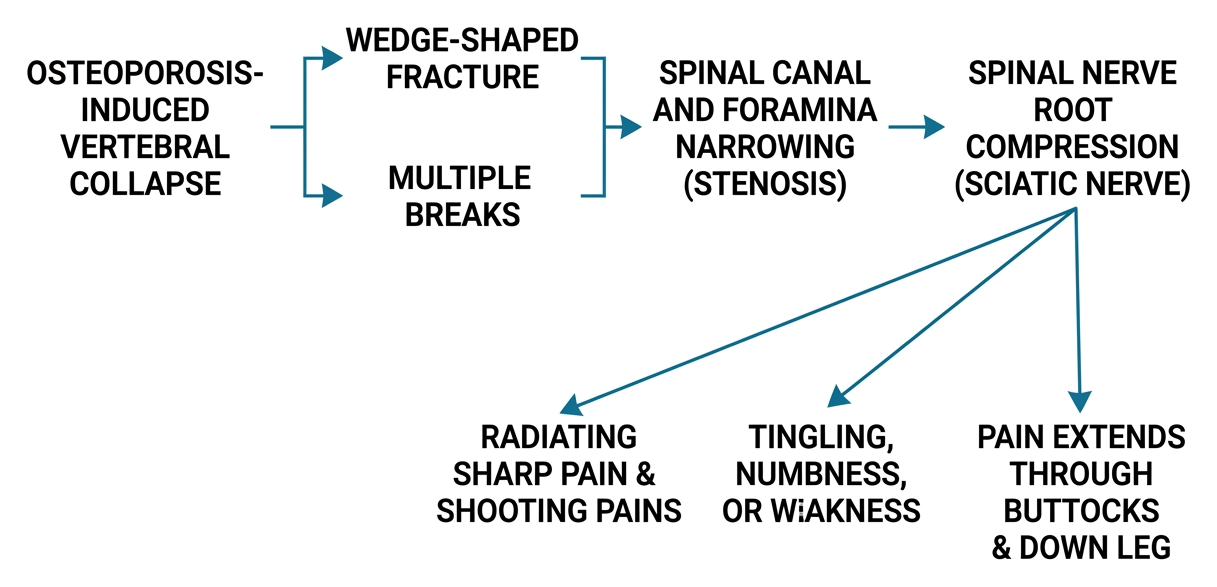
This narrowing can cause lumbar spinal stenosis and sciatic nerve irritation. Individuals may feel sharp, shooting pains, tingling, numbness, or weakness extending from the lower back through the buttocks and down the leg. Knowing how fast osteoporosis progresses allows individuals to monitor for changes in mobility before nerve compression becomes severe.
Discomfort often increases during weight-bearing activities like prolonged standing or walking, which place excess mechanical pressure on worn facet joints and narrowed nerve canals. When spinal alignment shifts forward, the muscles and ligaments in the lower back undergo continuous tension, leading to severe spasms that make standing upright difficult. Sitting down or leaning slightly forward often widens the spinal canal temporarily, providing short-term relief from leg discomfort.
Distinguishing Bone Pain from Musculoskeletal Strain
Telling the difference between an osteoporotic bone injury and a standard muscle strain is essential for proper care. The following comparison highlights key differences:
| Feature | Osteoporotic Spine Fracture | Musculoskeletal Strain |
|---|---|---|
| Onset | Often sudden after a minor fall or everyday movement, such as bending, lifting, coughing, or twisting | Often begins after overuse, awkward movement, lifting, or a new activity |
| Pain Location | Deep, focused pain over one area of the spine, often in the mid or lower back | Broader aching or tightness across the low back or along muscles beside the spine |
| Palpation | Point tenderness over the affected vertebra may be present | Muscle tenderness, soreness, or spasms are more common |
| Postural Impact | May lead to height loss or a forward-rounded posture if fractures collapse or accumulate | Usually does not cause height loss or lasting spinal shape change |
| Relief / Aggravation | Often worse with standing, walking, bending, or twisting; may ease when lying down | Often worse with certain movements; may improve with rest, gentle movement, heat, or time |
Clinical Evaluation and Diagnosis for Bone-Related Spine Pain
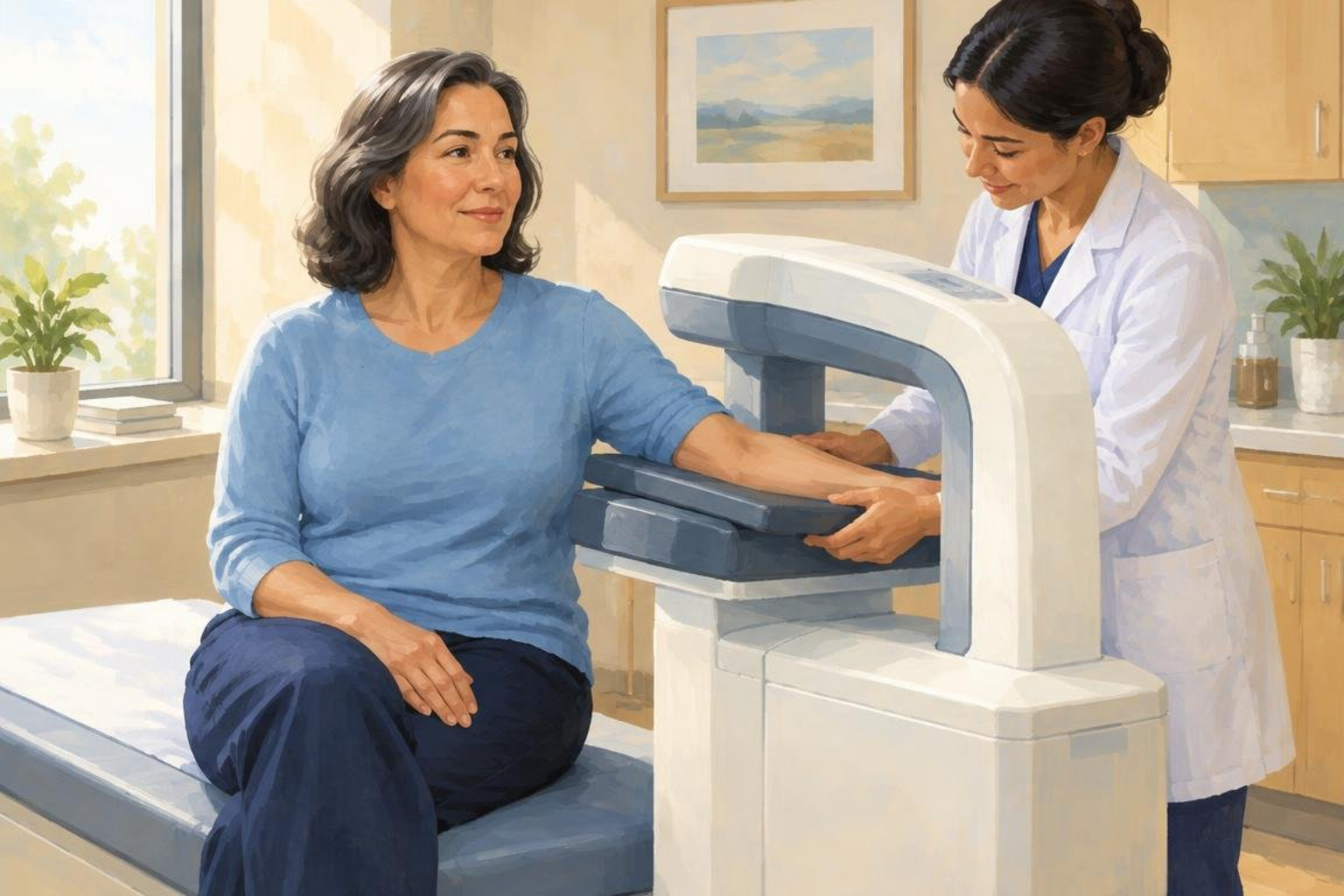
Diagnosing bone-related back pain requires imaging tests and bone mineral density evaluations to assess both bone strength and spinal shape. Dual-energy X-ray absorptiometry, commonly known as a DEXA scan, uses low-dose X-rays to measure bone mineral density in the hip and spine.
DEXA results provide a score that compares an individual's bone strength against a healthy young adult reference range. Understanding how clinicians interpret these readings is straightforward:
- Interpreting T-score results helps categorize bone mass into normal bone, low bone mass (thinning bones), or osteoporosis.
- A T-score below -2.5 threshold formally establishes a diagnosis of osteoporosis.
Lateral X-rays of the mid-to-low back help identify silent or unrecognized compression fractures. According to Medicare.gov, Medicare Part B covers bone mass measurement tests once every 24 months, or more frequently if medically necessary, with zero out-of-pocket costs when the healthcare provider accepts assignment, though coverage specifics may vary slightly by plan type.
Early Warning Signs and Risk Factors
Older adults should discuss spinal health with their physician if they notice gradual height loss of an inch or more, an increasingly rounded upper back, or sudden back tenderness. Key risk factors include natural bone loss following menopause, low body mass index, a family history of fragility breaks, and extended exposure to oral steroid medications. Identifying these indicators helps determine when to start osteoporosis treatment to protect the spine.
Comprehensive Medical Management and Bone Protection Strategies
Managing bone-related back discomfort involves medical therapies designed to slow bone breakdown, stimulate new bone formation, and prevent future breaks. Physicians may prescribe antiresorptive medications, such as bisphosphonates or denosumab, to reduce bone turnover, or bone-building anabolic medications like teriparatide to increase bone mass. Reviewing osteoporosis treatment approaches helps patients select appropriate medications with their doctors.
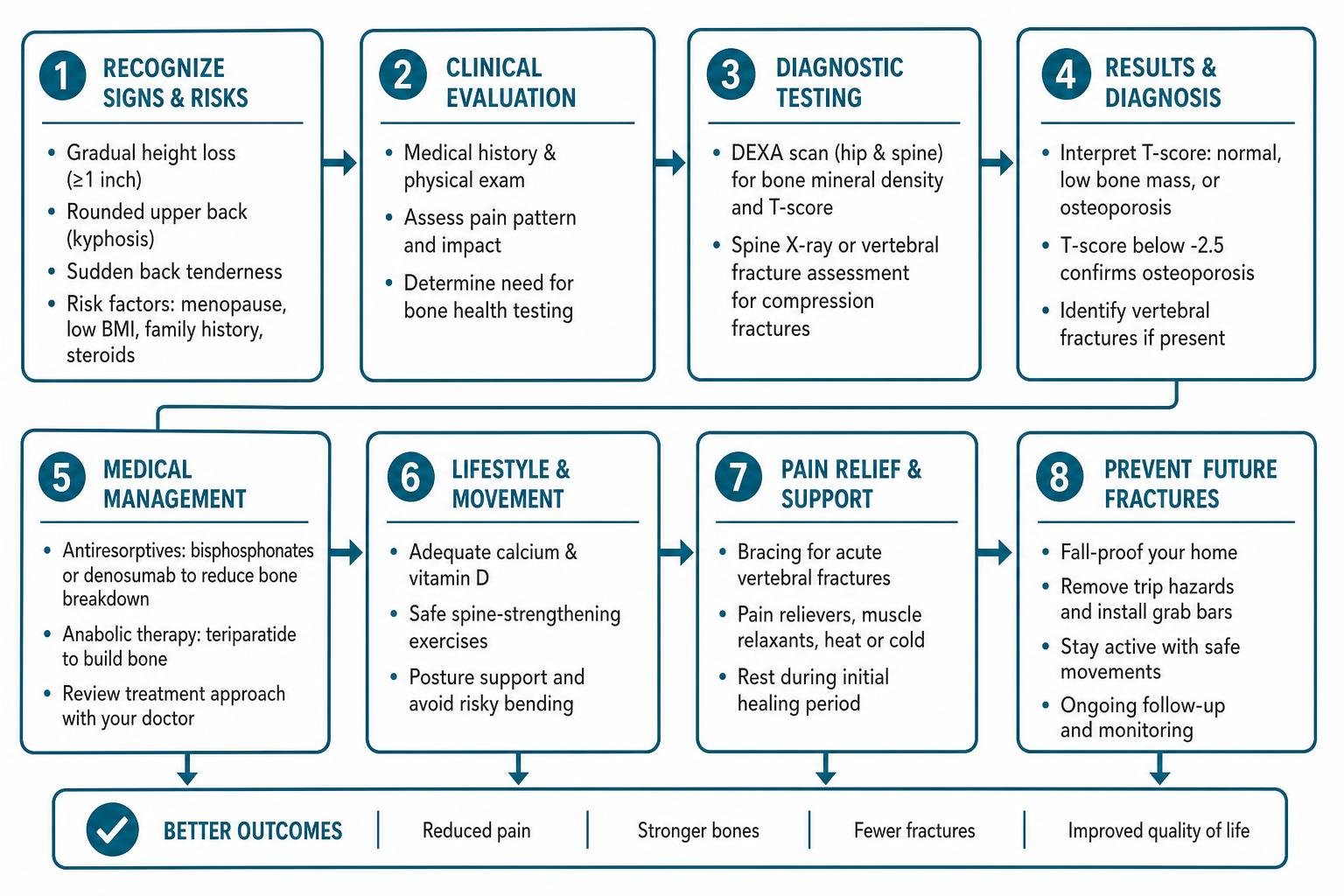
Alongside medical care, implementing structured fracture prevention strategies for seniors reduces the chances of spinal injury.
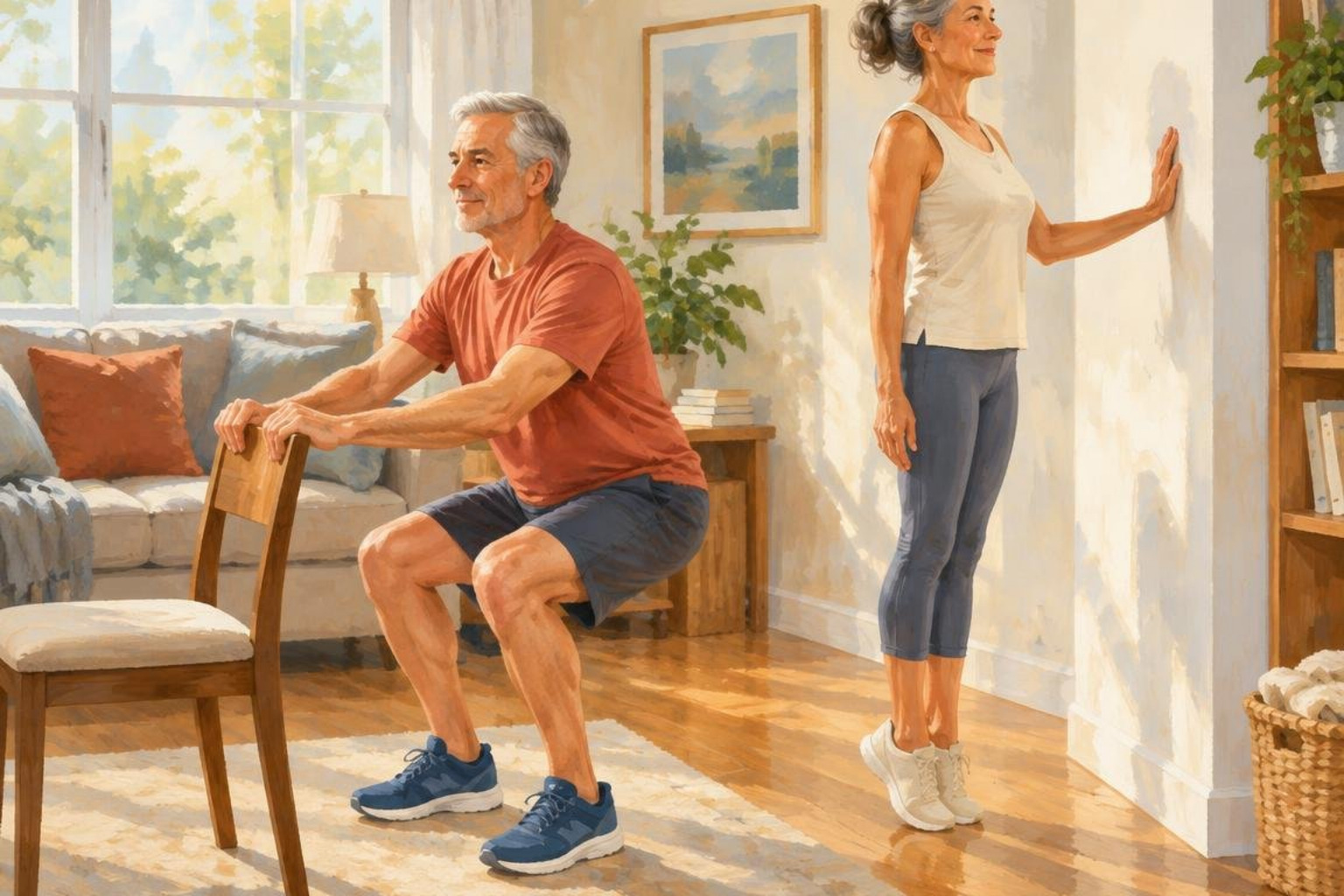
Safe physical activity that protects the spine is also critical; learning gentle vertebral fracture prevention movements supports posture while avoiding dangerous forward bending. Groove Health is a Medicare covered bone health program for adults 65 and older that pairs each member with a physician and a physical therapist who designs a personalized exercise plan.
Pain Relief Modalities and Structural Support
For acute pain following a new vertebral break, doctors may recommend temporary back braces to support the healing bone and reduce muscle fatigue. Over-the-counter pain relievers, prescribed muscle relaxants, and cold or warm packs can manage discomfort during the initial healing weeks. Removing home trip hazards like loose cords, securing area rugs, and installing sturdy grab bars help lower the chance of falls that could trigger additional spinal breaks.
Frequently Asked Questions About Osteoporosis and Back Pain
Can osteoporosis cause back pain without a visible fracture?
Yes, studies indicate that individuals with low bone density can experience back discomfort even without an obvious fracture on an X-ray. Microscopic structural fatigue within thin bone arches, increased nerve sensitivity inside bone tissue, and constant paraspinal muscle fatigue from altered posture can all contribute to generalized, nagging back aches.
What does osteoporotic spinal pain feel like?
When caused by a new compression fracture, the discomfort typically presents as a sudden, sharp, or stabbing pain directly over the spine. For non-fracture or healing bone issues, it often feels like a persistent, deep muscle ache that worsens during prolonged standing or walking and eases when resting flat on the back.
How is back pain from a collapsed vertebra treated?
Treatment may include resting the spine during the acute stage, using temporary pain-relief medications, and wearing a supportive brace if prescribed by a doctor. As the acute pain subsides over several weeks, patients transition to bone-strengthening medications and gentle, supervised movement programs to rebuild stability without straining healing bones.
Protecting Your Spine: Key Takeaways
Spine-related bone pain can significantly affect comfort and independence, but recognizing its signs allows for proactive medical care. While osteoporosis often develops quietly, sudden sharp backaches, height loss, or an altered upper back curve warrant prompt clinical evaluation. Diagnostic tools like lateral spine X-rays and DEXA scans provide the objective measurements needed to identify weakened vertebrae and establish an appropriate care plan.
Protecting spinal health relies on a combination of medical therapies, fall mitigation, and targeted bone-strengthening habits. To learn more about navigating your diagnosis and safeguarding your spine, explore the Groove Health starter guide. Taking early action helps preserve spinal strength, relieve muscle strain, and maintain daily vitality for years to come.
Works Cited
- National Institute of Arthritis and Musculoskeletal and Skin Diseases. “Osteoporosis.” National Institutes of Health, 2026.
- Roux C, Priol G, Fechtenbaum J, Cortet B, Liu-Léage S, Audran M. “A clinical tool to determine the necessity of spine radiography in postmenopausal women with osteoporosis presenting with back pain.” Annals of the Rheumatic Diseases, 2007.
- Centers for Medicare & Medicaid Services. “Bone mass measurements.” Medicare.gov, 2026.
This content is for informational purposes only and does not constitute medical advice. Consult a qualified healthcare professional for diagnosis and treatment. If you are on Medicare and interested in a personalized bone health program, you can check your eligibility at groovehealth.com.