
The Best Bone-Building Foods for Beginners
Which foods actually build stronger bones? A beginner-friendly guide to the dairy, fish, and plant foods that boost calcium and vitamin D—and the everyday foods that quietly work against your skeleton.
Why What You Eat Matters for Your Bones
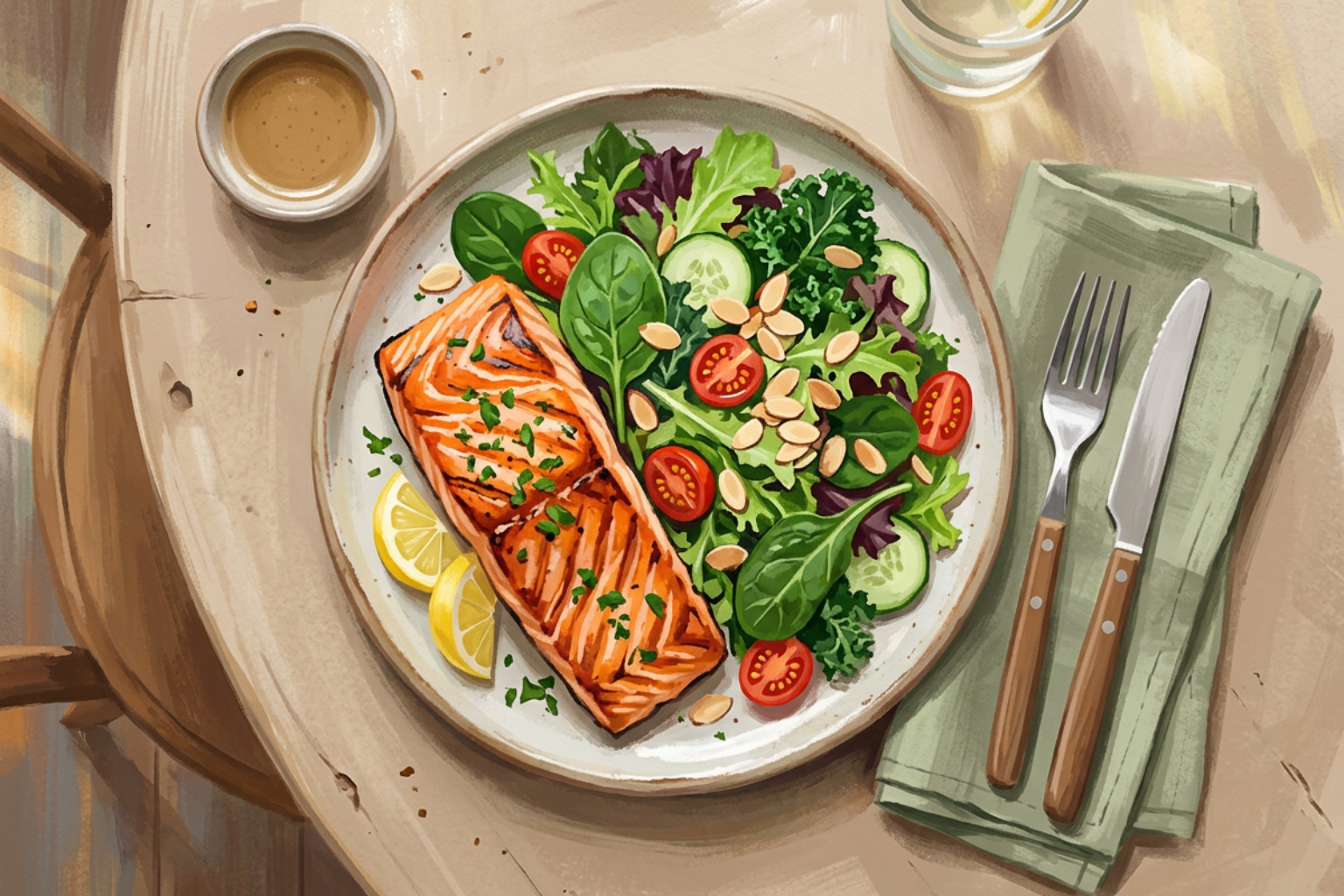
Bone building foods are one of the most practical tools you have for keeping your skeleton strong as you age. Your bones are living tissue. They constantly break down and rebuild throughout your life. What you eat directly affects how well that rebuilding process works.
The best bone-building foods include:
- Dairy products (milk, yogurt, cheese) and fortified plant-based milks
- Canned salmon and sardines (with soft, edible bones)
- Leafy greens such as kale, bok choy, and broccoli
- Tofu (especially calcium-set varieties)
- Almonds, chia seeds, and white beans
- Prunes (research suggests 5-6 per day may help preserve hip bone density—which is the measure of how packed and strong your bones are)
- Fatty fish like salmon and mackerel (for vitamin D and omega-3s)
- Fortified foods such as breakfast cereals and orange juice
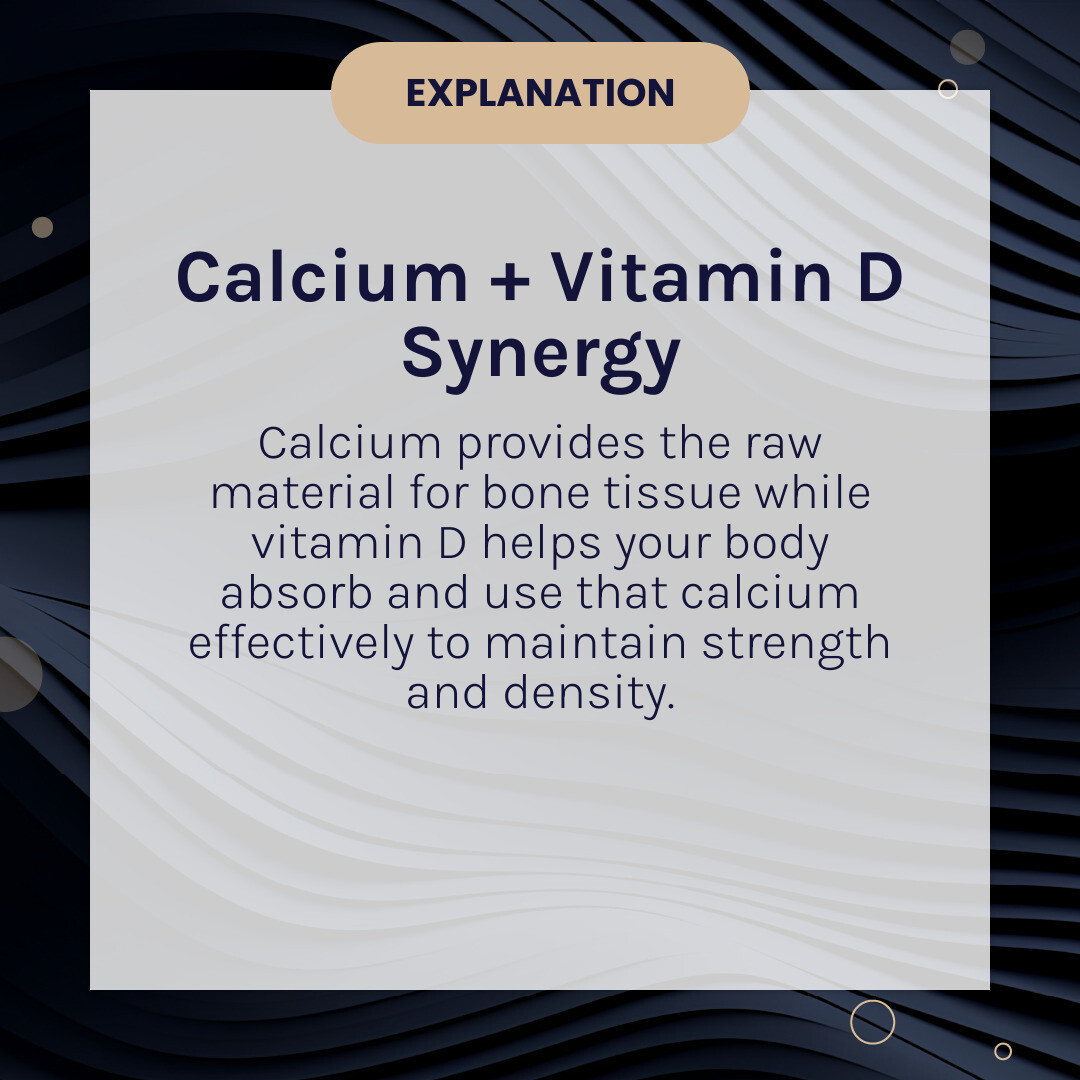
After age 50, bones often lose density faster than the body can rebuild it. This is especially true after menopause, when lower estrogen allows bone breakdown to outpace bone formation. That’s why calcium and vitamin D matter so much: calcium supplies the raw material for bone, while vitamin D helps your body absorb and use it.
The good news: small, consistent changes to what you eat can make a real difference. You don't need a complicated plan. You just need to know which foods to reach for first.
Bone building foods glossary:
The Best Bone Building Foods to Add to Your Plate
To keep your bones strong, you need a steady supply of calcium and vitamin D. Calcium is the main mineral that makes up your bone structure. Vitamin D acts like a key, unlocking your gut so it can actually absorb the calcium you eat.
According to the recommended calcium intakes, adults aged 19 to 50 need 1,000 mg of calcium daily. This requirement increases to 1,200 mg daily for women over 50 and men over 70.
To help you plan your meals, here is a simple table comparing how much calcium you can get from common dairy and non-dairy foods.
| Food Item | Serving Size | Average Calcium Content (mg) |
|---|---|---|
| Semi-skimmed cow milk | 200 ml (about 1 cup) | 240 mg |
| Hard cheese (like Cheddar) | 30 g (about 1 ounce) | 240 mg |
| Plain low-fat yogurt | 150 g (about 5 ounces) | 240 mg |
| Calcium-fortified plant milk | 240 ml (8 ounces) | 350 to 400 mg |
| Calcium-set tofu | 113 g (4 ounces) | 430 mg |
| Canned white beans | 1 cup | 190 mg |
| Canned salmon with bones | 85 g (3 ounces) | 180 mg |
| Sardines in oil with bones | 60 g (2 ounces) | 240 mg |
| Almonds | 30 g (about a quarter-cup) | 75 mg |
| Dried figs | 2 figs | 65 mg |
Dairy and Fortified Plant-Based Alternatives
Dairy foods like milk, cheese, and yogurt are classic sources of calcium. Yogurt is particularly beneficial. Research shows that people who eat yogurt regularly have a 24 percent lower risk of hip fractures compared to those who do not. Fermented dairy options like yogurt and kefir also support a healthy gut, which helps your body absorb nutrients more efficiently.
If you avoid dairy, you can still easily meet your daily goals. Fortified plant milks, such as soy milk or almond milk, are excellent alternatives. Manufacturers add calcium carbonate or calcium phosphate to these drinks, often providing 350 to 400 mg of calcium per cup. Just make sure to shake the carton well before pouring, as the added calcium can settle to the bottom.
Surprising Non-Dairy Sources of Calcium
You might be surprised to learn that fish can be a major source of calcium. Canned salmon and sardines are packed with bone-building benefits because they contain tiny, soft bones that are completely safe and easy to eat. For comparison, a three-ounce serving of canned salmon provides 180 mg of calcium, while the same amount of fresh salmon fillet contains only 36 mg.
Other great non-dairy options include dried figs, almonds, chia seeds, and white beans. Tofu is another powerhouse. If you buy tofu prepared with calcium sulfate, a half-cup serving can deliver more than 400 mg of calcium.
For more ideas on how to mix and match these ingredients, you can explore the BHOF guidelines on foods that support bones.
How the Mediterranean Diet Supports Bone Strength
Healthy eating is about more than just single nutrients. Your overall eating pattern plays a massive role in skeletal health. The Mediterranean diet, which focuses on olive oil, fish, vegetables, beans, and whole grains, is highly recommended for older adults.
A comprehensive Systematic review of dietary patterns and bone health found moderate evidence that eating this way is directly linked to a lower risk of hip fractures. The combination of healthy fats, antioxidants, and anti-inflammatory foods in the Mediterranean diet helps protect bone tissue from damage over time.
How Your Body Uses Nutrients to Keep Bones Strong
To understand why these foods are so important, it helps to know how your body manages your bone density.
Your skeleton is constantly being remodeled by two main types of cells:
- Osteoblasts: These are the builder cells. They take calcium and other minerals from your blood to build new, strong bone.
- Osteoclasts: These are the cleanup cells. They break down old or damaged bone and release the calcium back into your bloodstream.
In young adults, these two groups of cells work at the same speed. But as we age, the cleanup cells start to work faster than the builder cells. This leads to thinning bones, a condition called osteopenia, which can eventually progress to osteoporosis, where bones become fragile and break easily.
For women, this balance is heavily influenced by hormones. Estrogen acts like a shield, slowing down the cleanup cells. After menopause, estrogen levels drop, the shield is lost, and bone loss speeds up. Eating a diet rich in supportive nutrients is essential to help the builder cells keep up. You can read more about this biological balance in this Review of nutrition-based support for postmenopausal women.
Other Key Nutrients Your Bones Need
While calcium and vitamin D get the most attention, several other vitamins and minerals play supporting roles:
- Magnesium: This mineral helps convert vitamin D into its active form so it can do its job. It also physically strengthens the bone structure. You can find magnesium in almonds, spinach, and black beans.
- Vitamin K: This vitamin acts like a traffic cop. It helps bind calcium to your bones rather than letting it build up in your blood vessels. Green leafy vegetables like kale and collard greens are excellent sources.
- Potassium: This mineral neutralizes acids in the body that would otherwise draw calcium out of your bones. Potatoes, sweet potatoes, and bananas are rich in potassium.
- Vitamin C: Your bones contain a large amount of collagen, a protein that provides a flexible framework. Vitamin C is essential for making collagen. Citrus fruits, tomatoes, and bell peppers are great sources.
- Protein: Bones are made of a protein matrix filled in with calcium. Getting enough protein, at least 0.8 grams per kilogram of body weight daily, helps maintain bone strength as you age.
- Omega-3 Fatty Acids: Found in fatty fish like salmon, these healthy fats lower inflammation, which can otherwise trigger the cells that break down bone.
Some natural plant compounds can also affect your bones. For example, compounds found in soy products like tofu mimic estrogen in a mild way, which may help slow down bone loss. On the other hand, certain natural compounds in foods like beans can temporarily block calcium absorption. You can easily solve this by soaking dried beans in water for a few hours before cooking them in fresh water.
Foods and Substances to Limit for Better Bone Health
Just as some foods build your bones, other foods can actively work against them. If you want to protect your bone strength, there are a few items you should limit:
- Salt (Sodium): When your kidneys process excess salt, they flush it out in your urine, carrying calcium along with it. To protect your bones, try to limit your sodium intake to 2,300 mg per day. Avoid heavily processed foods and check nutrition labels.
- Caffeine: Drinking more than three cups of coffee a day can slightly reduce how much calcium your body absorbs. If you love coffee or tea, try to enjoy them in moderation, and make sure you are getting enough calcium elsewhere in your diet.
- Alcohol: Heavy drinking, defined as more than two alcoholic drinks per day, damages the cells that build new bone. It also increases your risk of falling, which can lead to broken bones.
- Excess Vitamin A: While vitamin A is good for your eyes, too much of the animal-sourced version (retinol) can actually trigger bone loss. Limit eating liver or taking high-dose fish liver oil supplements to once a week.
- Phosphorus in Colas: While phosphorus is a healthy mineral in moderation, dark colas use phosphoric acid as a preservative. Getting too much of this can disrupt the ideal calcium-to-phosphorus balance in your body, leading to bone thinning.
Frequently Asked Questions About Bone-Building Foods
Why is spinach not considered a good source of calcium?
While spinach contains a high amount of calcium on paper, it is also very high in organic compounds called oxalates. Oxalates bind tightly to calcium in your digestive tract, preventing your body from absorbing it. Only about five percent of the calcium in spinach is actually usable. For better results, choose low-oxalate green vegetables like kale, broccoli, or bok choy.
Do vegans have a higher risk of breaking a bone?
Yes, studies show that vegans have a 2.64-fold higher risk of hip fractures compared to meat eaters, largely because it can be harder to get enough calcium and protein on a strict plant-based diet. However, this risk is significantly reduced when vegans take daily calcium and vitamin D supplements and participate in regular strength training to keep their bones active.
How do prunes help protect bone density?
A landmark study found that eating five to six prunes daily helped postmenopausal women preserve bone density in their hips. Prunes contain a unique mix of vitamin K, potassium, boron, and antioxidants. These compounds help lower inflammatory chemicals in the body that would otherwise trigger bone breakdown. Prunes also support a healthy gut, which improves overall nutrient absorption.
Your Next Steps Toward Stronger Bones
Building stronger bones does not require a drastic lifestyle overhaul. By focusing on a varied diet rich in whole foods, dairy or fortified plant milks, fish, and plenty of colorful fruits and vegetables, you can give your skeleton the raw materials it needs to stay strong.
However, nutrition is only half of the equation. Your bones need a physical signal to actually absorb and use these bone-building nutrients to rebuild. Weight-bearing and resistance exercises provide that signal, telling your body to deposit calcium directly into your skeleton.
To help you put this into practice, Groove Health offers a personalized, Medicare-covered bone health program. Groove Health helps older adults build a practical plan that combines nutrition, safe home-based movement, and fall-prevention strategies. The goal is simple: support how your body uses bone-building nutrients, improve strength and balance, and lower the risk of fractures over time.
To take the next step in protecting your independence, you can start your personalized bone health journey today.
Works Cited
- National Institutes of Health. “Calcium and Vitamin D: Important for Bone Health.” NIAMS, 2023.
- Bone Health & Osteoporosis Foundation. “Osteoporosis Diet & Nutrition: Foods for Bone Health.” BHOF, 2025.
- U.S. Department of Agriculture. “Dietary Patterns and Bone Health: A Systematic Review.” NCBI Bookshelf, 2020.
- Faienza, M. F., et al. “Nutraceuticals and Functional Foods: A Comprehensive Review of Their Role in Bone Health.” International Journal of Molecular Sciences, 2024.
- Rizzoli, R. & Chevalley, T. “Bone health: biology and nutrition.” Current Opinion in Clinical Nutrition and Metabolic Care, 2024.
This content is for informational purposes only and does not constitute medical advice. Consult a qualified healthcare professional for diagnosis and treatment. If you are on Medicare and interested in a personalized bone health program, you can check your eligibility at groovehealth.com.