
Eat Your Way to Stronger Bones with These Superfoods
Clinical evidence shows these 10 superfoods deliver the calcium, vitamin D, and minerals your bones need most — plus the dietary traps that silently weaken your skeleton.
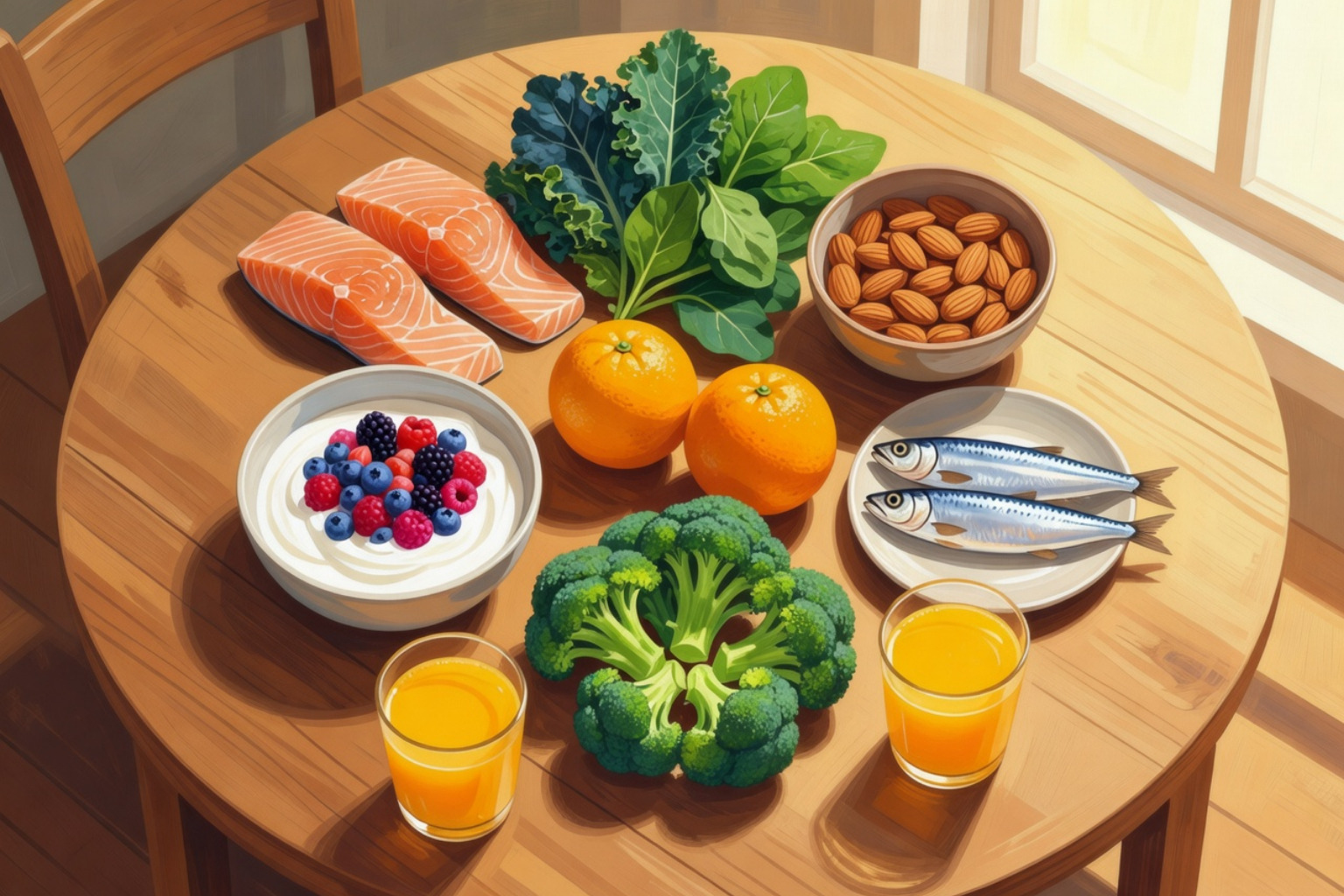
Why Diet Is a Frontline Strategy for Bone Health
The best foods for bones are not just a dietary preference — they are a clinical priority, particularly for adults over 50 facing age-related bone loss.
Bone is a living tissue. Specialized cells called osteoblasts continuously build new bone, while osteoclasts break down old bone — a process known as bone remodeling. Peak bone mass is typically reached around age 30. After that, breakdown gradually outpaces formation. For women, this process accelerates sharply after menopause: research indicates that women can lose up to 20% of their bone density in the five to seven years following the menopausal transition.
Diet cannot fully reverse bone loss. But evidence consistently shows that adequate intake of key nutrients — particularly calcium, vitamin D, vitamin K, magnesium, and protein — can meaningfully slow bone resorption and reduce fracture risk.
Here is a quick reference for the foods most supported by clinical evidence:
| Food | Key Bone Nutrients |
|---|---|
| Yogurt (1 cup) | 296 mg calcium, protein |
| Sardines, canned with bones (1 can) | 351 mg calcium, vitamin D |
| Canned salmon with bones (3 oz) | 180 mg calcium, omega-3s, vitamin D |
| Kale, cooked (1 cup) | 179 mg calcium, vitamin K |
| Calcium-set tofu (4 oz) | 205 mg calcium, isoflavones, protein |
| Chia seeds (1 oz) | 179 mg calcium, magnesium |
| Prunes (5–6 daily) | Vitamin K, polyphenols, boron |
| Fortified soy milk | Calcium, vitamin D |
| Edamame (1/3 cup) | 120 mg calcium, isoflavones |
| Almonds (1 oz) | 76 mg calcium, magnesium |
The sections below explain why these foods work at a biological level — and which foods actively undermine bone mineral density.
How Bone-Building Nutrients Work Together
The skeletal system relies on a complex mineral matrix, primarily composed of calcium phosphate, which provides structural hardness. However, clinical evidence suggests that focusing solely on calcium is insufficient for preventing fractures. Bone health requires a synergistic relationship between several micronutrients.
Vitamin D3 acts as the primary regulator of calcium metabolism; without it, the body can only absorb about 10% to 15% of dietary calcium. Once absorbed, Vitamin K2 activates osteocalcin, a protein that binds calcium to the bone matrix, preventing it from depositing in arterial walls. Furthermore, magnesium is essential for converting vitamin D into its active form and regulates the balance between osteoblasts and osteoclasts.
According to the Osteoporosis Diet: What Foods To Eat and Avoid, a diet rich in these elements supports the structural integrity of both cortical bone (the hard outer layer) and trabecular bone (the spongy inner lattice). Additionally, Vitamin C is a critical co-factor for collagen synthesis. Since collagen provides the flexible framework upon which minerals are deposited, a deficiency can lead to brittle bones even if mineral levels are adequate. For more insights on the biological role of nutrition, clinicians often recommend reviewing Nutrition Tips for Healthy Bones - Sutter Health.
Daily Nutritional Requirements by Age and Sex
Nutritional needs shift as the body’s ability to absorb minerals declines with age. The Recommended Dietary Allowance (RDA) is designed to maintain bone mineral density (BMD) and prevent conditions like osteopenia.
| Age Group | Calcium (mg) | Vitamin D (IU/mcg) |
|---|---|---|
| Adults 19–50 | 1,000 mg | 600 IU (15 mcg) |
| Men 51–70 | 1,000 mg | 600 IU (15 mcg) |
| Women 51–70 | 1,200 mg | 600 IU (15 mcg) |
| Adults 71+ | 1,200 mg | 800 IU (20 mcg) |
Dietary Sources of Calcium and Vitamin D for Skeletal Maintenance
Meeting these requirements requires an understanding of bioavailability — the portion of a nutrient that the body can actually absorb and use. The human digestive tract has a physiological limit on calcium absorption; research indicates that the body can only process approximately 500 mg of calcium at a single time.
To maximize skeletal maintenance, clinicians recommend staggered dosing, or spreading calcium-rich foods across breakfast, lunch, and dinner rather than consuming the entire daily requirement in one sitting. For a detailed breakdown of how to calculate these amounts, the Food Sources of Calcium tables from the Dietary Guidelines for Americans provides a comprehensive guide.
Dairy and Fortified Options for Calcium and Protein
Dairy products remain a cornerstone of bone health because they offer a unique "food matrix" of calcium, protein, and phosphorus. Greek yogurt is particularly effective, providing approximately 296 mg of calcium per cup (roughly 23% of the daily need for older adults). For a complete bone density diet plan, see our detailed guide.. Hard cheeses like Swiss cheese or Parmesan are also excellent sources, often providing a higher nutrient-to-sodium ratio than softer varieties.
For those sensitive to standard dairy, fortified A2 milk or lactose-free options provide the same mineral benefits without digestive distress. The inclusion of phosphorus in these foods is vital, as it works with calcium to form hydroxyapatite, the main mineral component of bone. Experts at The best foods for bone health note that the high protein content in dairy also supports muscle mass, which is essential for fall prevention.
Plant-Based Calcium Sources for Vegans and Dairy-Free Diets
Individuals following a vegan diet or those with dairy allergies can maintain high BMD through strategic plant-based choices. Calcium-set tofu (tofu processed with calcium salts) is a premier non-dairy source, offering over 200 mg per four-ounce serving. Edamame and other soy products contain isoflavones, which have been shown in some clinical observations to mimic the bone-protective effects of estrogen in postmenopausal women.
Other significant plant-based sources include:
- Chia seeds and Sesame seeds: High in calcium and magnesium.
- Almonds: One ounce provides about 76 mg of calcium and helps reduce bone turnover.
- Fortified soy or almond milk: Often contains 30% or more of the daily value for both calcium and vitamin D.
For those navigating a new diagnosis and looking for structured dietary and physical therapy support, you can Sign up for osteoporosis support through specialized clinical programs.
The Role of Micronutrients: Leafy Greens, Fatty Fish, and Prunes
Beyond calcium, the best foods for bones include sources of omega-3 fatty acids and trace minerals. Fatty fish like salmon and mackerel are "phenomenal" sources of vitamin D and protein. Canned varieties of sardines and salmon that include soft, edible bones provide a highly bioavailable form of calcium phosphate.
Emerging research also highlights the role of polyphenols and trace minerals like boron. Boron, found in avocados and nuts, helps the body retain calcium and magnesium by reducing urinary excretion. As noted in Surprising foods that boost bone health - Harvard Health, these micronutrients are essential for preserving the cortical bone structure as we age.
Low-Oxalate Greens and Bioavailable Minerals
While many leafy greens contain calcium, not all are created equal. Bok choy, kale, and collard greens are considered superior to spinach because they are low in oxalates — compounds that bind to calcium and prevent its absorption. One cup of cooked kale provides approximately 179 mg of calcium alongside a significant dose of Vitamin K1, which is essential for bone metabolism.
These greens also provide magnesium, which helps regulate the thyroid's production of calcitonin, a hormone that acts as a bone-preservation signal. Clinical guidelines, such as those found in The 14 Best Foods for Strong Bones, According to Dietitians, emphasize that these vegetables should be a daily staple for those at risk of osteoporosis.
Clinical Findings on Prunes and Bone Mineral Density
One of the most surprising clinical findings in recent years involves prunes (dried plums). A 2022 study published in the Journal of Bone and Mineral Research found that postmenopausal women who consumed 50 grams of prunes daily (roughly five to six prunes) were able to preserve bone mineral density in their hips.
Prunes appear to work by inhibiting bone resorption (the breakdown of bone) and lowering inflammatory markers that contribute to bone loss. This makes them a practical, evidence-based tool for hip fracture prevention. For more on these surprising dietary interventions, see 6 Best Foods and Drinks for Bone Health.
Nutritional Inhibitors and Lifestyle Factors Affecting Bone Mineral Density
Just as certain foods build bone, others can accelerate its loss. Excessive sodium intake is a primary concern; for every 2,300 mg of sodium excreted by the kidneys, approximately 40 mg of calcium is lost with it. To protect bone density, adults should limit sodium to under 2,300 mg per day.
Other inhibitors include:
- Caffeine: More than three cups of coffee daily can interfere with calcium absorption.
- Colas: Many soft drinks contain phosphoric acid, which can leach calcium from the bones if not balanced by adequate dietary calcium.
- Alcohol: Chronic, heavy consumption disrupts the hormonal balance required for bone remodeling.
Managing Anti-Nutrients: Phytates and Oxalates
Some healthy foods contain "anti-nutrients" that can hinder mineral uptake. Spinach, while nutrient-dense, has high levels of oxalates, meaning the body only absorbs about 5% of its calcium. Similarly, 100% wheat bran contains phytates that can prevent the absorption of calcium from other foods eaten at the same meal.
To optimize bioavailability, clinicians recommend:
- Soaking beans: Soaking dried legumes for several hours and cooking them in fresh water reduces phytate levels.
- Timing supplements: Take calcium supplements at least two hours apart from high-phytate foods like wheat bran.
- Diversifying greens: Focus on low-oxalate options like bok choy or broccoli.
Frequently Asked Questions about Bone-Healthy Diets
How much calcium can the body absorb at one time?
The human body can only absorb about 500 mg of calcium in a single sitting. Consuming more than this at once results in the excess being excreted or potentially contributing to kidney stones. It is more effective to eat smaller amounts of calcium-rich foods throughout the day.
Are prunes effective for preventing hip fractures?
Clinical trials have shown that eating five to six prunes a day helps maintain bone mineral density in the hips of postmenopausal women. While they are not a "cure," they are a powerful evidence-based dietary addition for reducing fracture risk.
Does carbonation in soft drinks cause bone loss?
Research suggests that the carbonation itself is not harmful. However, the phosphorus and caffeine found in many dark colas are associated with lower bone density, especially when they replace calcium-rich beverages like milk or fortified juices.
Build Your Bone-Health Plate Today
Skeletal health is a lifelong endeavor that requires more than just a single nutrient. By focusing on the best foods for bones — including dairy, low-oxalate greens, fatty fish, and prunes — and minimizing inhibitors like excessive sodium, older adults can significantly influence their bone remodeling cycle.
Groove Health offers a Medicare-covered bone health program that connects older adults with a physician and a dedicated physical therapist. This personalized, home-based care model focuses on fracture prevention, understanding DEXA scan results, and following evidence-based nutrition and exercise plans. To see if this integrated approach is right for you, Check eligibility at groovehealth.com.
Works Cited
- Bone Health & Osteoporosis Foundation (BHOF). "Osteoporosis Diet & Nutrition: Foods for Bone Health." BHOF, 2025.
- Cleveland Clinic. "Osteoporosis Diet: What Foods To Eat and Avoid." Cleveland Clinic, 2024.
- Harvard Health Publishing. "Surprising Foods That Boost Bone Health." Harvard Health, 2023.
- De Souza MJ, et al. "Prunes Preserve Hip Bone Mineral Density in a 12-Month Randomized Controlled Trial in Postmenopausal Women: The Prune Study." The American Journal of Clinical Nutrition, 2022.
- National Health Service (NHS). "Food for Healthy Bones." NHS, 2024.
- National Institute of Arthritis and Musculoskeletal and Skin Diseases (NIAMS). "Calcium and Vitamin D: Important for Bone Health." NIAMS/NIH, 2023.
This content is for informational purposes only and does not constitute medical advice. Consult a qualified healthcare professional for diagnosis and treatment. If you are on Medicare and interested in a personalized bone health program, you can check your eligibility at groovehealth.com.