Everything You Need to Know About Secondary Osteoporosis Causes
Not all bone loss comes from aging. Medications like prednisone, thyroid or parathyroid problems, and digestive conditions can quietly thin bones. Here is how doctors find the cause and why it changes treatment.

Clinical Signs That Prompt Investigation for Secondary Bone Loss
Secondary osteoporosis is bone thinning caused by a specific underlying medical condition, medication, or nutritional deficiency rather than aging alone. Common secondary osteoporosis causes include prescription medications such as glucocorticoids, endocrine disorders such as overactive thyroid or parathyroid disease, and digestive conditions that reduce calcium or vitamin D absorption.
Many people assume bone thinning is simply a natural part of growing older. While age-related bone changes are common, healthcare providers look for specific warning signs that suggest an outside factor is driving bone loss.
Key clues that prompt doctors to investigate secondary causes include:
- A fragility fracture resulting from a fall from standing height or less
- Unexpectedly rapid bone loss seen across routine dual-energy X-ray absorptiometry (DXA) scans
- A diagnosis of osteoporosis in men, where research suggests underlying medical issues contribute to bone loss in more than half of cases
- Continuing bone loss or sustaining new fractures despite taking standard bone medications
- An unusually low bone density score compared to healthy peers of the same age and sex
When unexplained fractures or rapid bone changes appear, clinicians review personal health history, check current prescriptions, and look into osteoporosis risk factors beyond traditional aging.
Evaluating T-Scores and Z-Scores
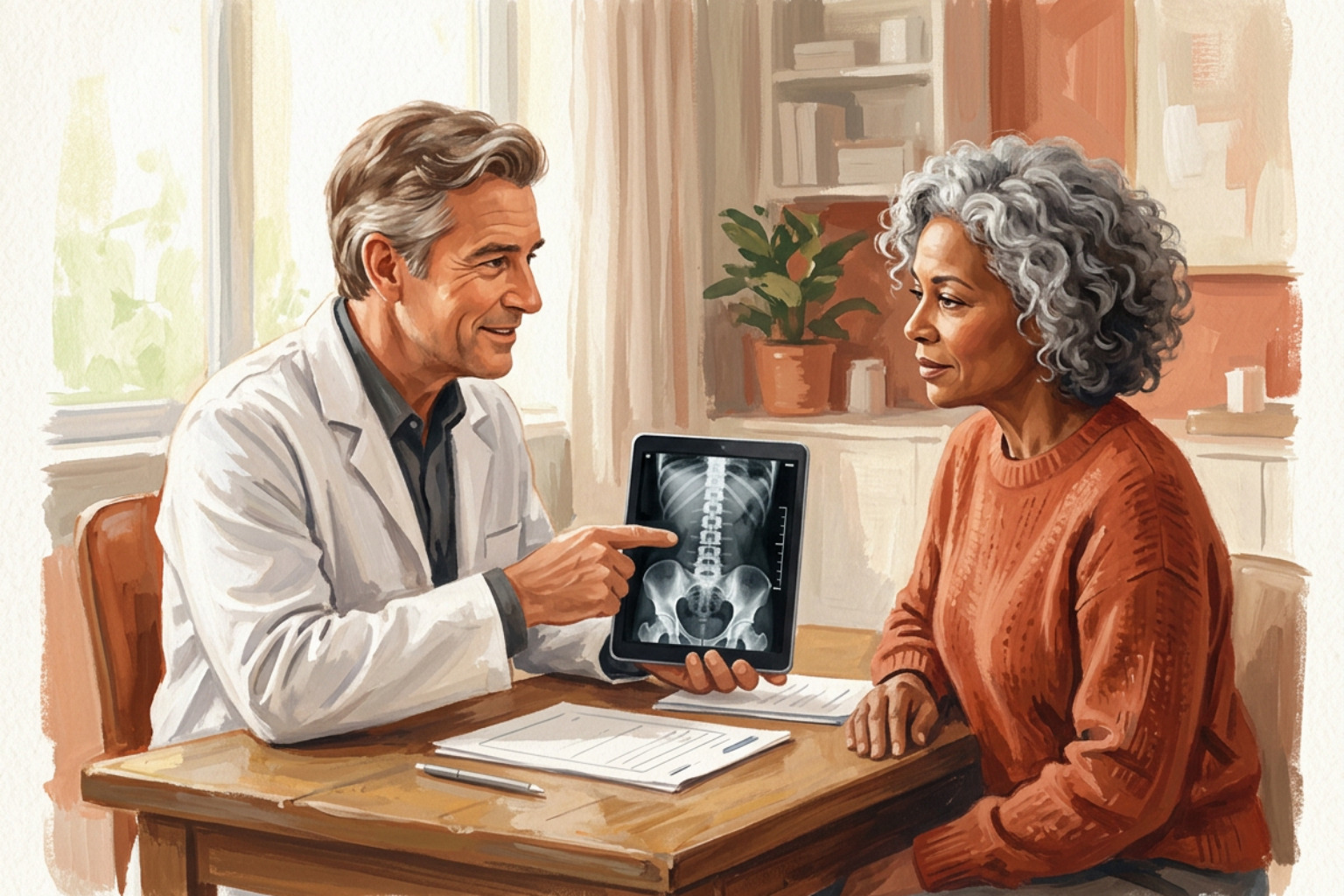
A DEXA scan provides two main measurements: T-scores and Z-scores. A T-score compares a person's bone strength to that of a healthy young adult. According to clinical standards, a T-score of -2.5 or lower indicates osteoporosis.
A Z-score compares bone strength to an average person of the same age, sex, and body size. When a Z-score is -2.0 or lower, the International Society for Clinical Densitometry classifies it as below the expected range for age. A low Z-score serves as a strong clinical signal to search for an underlying medical condition or medication effect.
According to Medicare.gov and CMS guidelines, Medicare covers screening bone density tests once every 24 months for eligible beneficiaries, or more often if medically necessary, though specific coverage rules can vary by individual plan type. Knowing how Medicare covers DEXA bone density scans helps patients stay on schedule with necessary screenings.

Common Secondary Osteoporosis Causes and Triggers
Identifying secondary osteoporosis causes requires evaluating several body systems at once. The table below outlines how primary bone loss compares to secondary bone loss:
| Characteristic | Primary Osteoporosis | Secondary Osteoporosis |
|---|---|---|
| Primary Driver | Natural aging, postmenopausal hormone decline | Medical conditions, prescription medications, nutritional deficits |
| Typical Population | Adults over 65, particularly postmenopausal women | Adults of any age, older men, and individuals with chronic conditions |
| Bone Density Profile | Expected age-matched Z-scores (often above -2.0) | Disproportionately low Z-scores (often -2.0 or lower) |
| Primary Approach | Standard bone-strengthening lifestyle and medications | Treating the root cause first, adjusting medications, and targeted bone therapy |
Medications That Can Weaken Bones
Prescription drugs represent one of the most frequent triggers of secondary bone thinning. According to a review published in Endocrine, glucocorticoids such as prednisone or dexamethasone are the most common secondary cause of osteoporosis, and the most common medication-related one.
Glucocorticoids reduce bone strength through several mechanisms:
- Suppressing osteoblasts, the specialized cells responsible for building new bone
- Increasing bone breakdown by prolonging the activity of bone-clearing cells
- Reducing calcium absorption in the intestines while increasing calcium loss in the urine
- Lowering circulating levels of protective sex hormones
Other medications that can affect bone metabolism over time include:
- Aromatase inhibitors: Breast cancer therapies that lower estrogen levels
- Androgen deprivation therapy: Prostate cancer treatments that reduce testosterone
- Anticonvulsants: Certain seizure medications that accelerate the breakdown of vitamin D in the liver
- Proton pump inhibitors (PPIs): Long-term acid reflux medications that may reduce intestinal absorption of essential dietary minerals
Hormonal and Metabolic Conditions
Hormones regulate the continuous cycle of bone breakdown and renewal. When endocrine glands produce too much or too little of specific hormones, bone remodeling can become unbalanced.
- Primary Hyperparathyroidism: Overactive parathyroid glands produce excess parathyroid hormone (PTH), which draws calcium out of bones and into the bloodstream.
- Hyperthyroidism: Excess thyroid hormone speeds up bone turnover, causing bone resorption to outpace bone formation.
- Cushing Syndrome: Excess cortisol production, whether from internal gland issues or medications, impairs bone rebuilding.
- Hypogonadism: Low levels of sex hormones (testosterone in men or estrogen in women) accelerate bone loss.
- Type 1 Diabetes: Impaired insulin signaling can reduce bone formation and alter structural bone quality.
- Vitamin D Deficiency: Insufficient vitamin D prevents the body from absorbing calcium effectively, leading to weaker bone tissue.
Gastrointestinal, Renal, and Systemic Disorders
Chronic conditions throughout the body frequently impact bone health:
- Gastrointestinal and Malabsorption Disorders: Conditions like celiac disease, Crohn's disease, ulcerative colitis, and gastric bypass surgery limit the digestive tract's ability to absorb calcium, magnesium, and vitamin D.
- Chronic Kidney Disease (CKD): Declining kidney function impairs the activation of vitamin D and disrupts mineral balance, leading to a condition known as chronic kidney disease-mineral and bone disorder (CKD-MBD).
- Chronic Liver Disease: Cirrhosis and chronic hepatitis can impair vitamin D processing and reduce the production of proteins needed for bone matrix formation.
- Bone Marrow and Plasma Cell Disorders: Conditions like multiple myeloma produce localized factors that stimulate bone breakdown and create weakened areas in the skeleton.
- Organ Transplantation: The combination of pre-existing organ illness and post-transplant immunosuppressive medications can cause rapid bone loss during the first year following surgery.
Diagnostic Workup and Laboratory Testing for Secondary Causes
When a secondary cause is suspected, doctors use a systematic series of blood and urine tests to pinpoint the underlying issue.
Stepwise Testing Protocols
Initial laboratory screening generally begins with basic, non-invasive tests:
- Complete Blood Count (CBC): Checks overall health and screens for anemia or marrow-related issues.
- Comprehensive Metabolic Panel (CMP): Evaluates kidney function, liver health, and serum calcium and albumin levels.
- Serum 25-Hydroxyvitamin D: Confirms whether vitamin D stores are sufficient for mineral absorption.
- Thyroid-Stimulating Hormone (TSH): Evaluates thyroid gland activity.
- Intact Parathyroid Hormone (iPTH): Assesses parathyroid function and calcium regulation.
- 24-Hour Urine Calcium: Measures whether the kidneys are losing too much calcium or failing to excrete it properly.
If initial testing shows abnormal findings or bone loss remains unexplained, clinicians may order secondary evaluations:
- Celiac Disease Serology: Checks for tissue transglutaminase antibodies to detect silent malabsorption.
- Serum and Urine Protein Electrophoresis (SPEP/UPEP): Screens for abnormal proteins linked to multiple myeloma.
- Total and Free Testosterone: Evaluates gonadal hormone status in men.
- 24-Hour Urinary Free Cortisol: Screens for endogenous steroid excess.
These targeted laboratory tests help clinicians decide when to start osteoporosis treatment and whether bone medications should be paired with other therapies.
How Identifying Secondary Causes Changes Treatment and Management
Treating secondary osteoporosis requires addressing the root health issue rather than relying solely on standard bone prescriptions. If an underlying condition remains untreated, conventional bone medications may not work effectively.
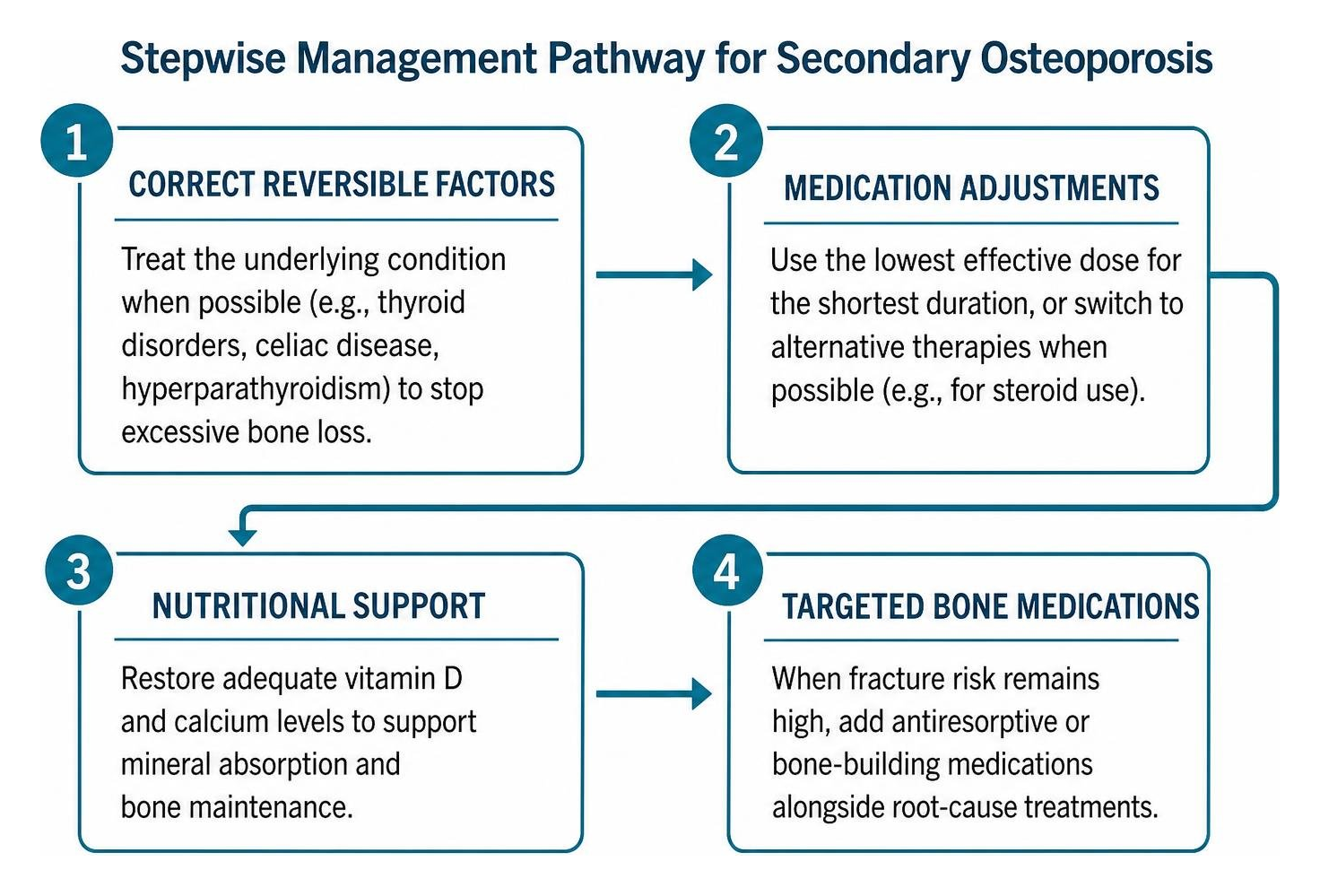
Management plans often combine several targeted steps:
- Correcting Reversible Factors: Successfully treating an overactive thyroid, adopting a strict gluten-free diet for celiac disease, or surgically treating hyperparathyroidism can stop excessive bone loss and allow bone mineral density to stabilize.
- Medication Adjustments: When steroid use is necessary, doctors aim to use the lowest effective dose for the shortest needed duration, or switch to alternative therapies when possible.
- Nutritional Support: Restoring adequate vitamin D and calcium levels helps build a foundation for bone maintenance.
- Targeted Bone Medications: When fracture risk remains elevated, doctors may prescribe antiresorptive agents (such as bisphosphonates or denosumab) or bone-building anabolic medications (such as teriparatide) alongside root-cause treatments.
Groove Health is a Medicare covered bone health program for adults 65 and older that pairs each member with a physician and a physical therapist who designs a personalized exercise plan.
Integrating exercise with medical care creates a well-rounded approach to fracture prevention strategies seniors can rely on for everyday safety.
Frequently Asked Questions
How is secondary osteoporosis different from primary osteoporosis?
Primary osteoporosis is driven primarily by natural age-related bone changes and postmenopausal hormone declines. Secondary osteoporosis occurs when a distinct outside factor, such as a medical condition, prescription drug, or nutritional deficiency, directly impairs bone remodeling or accelerates bone loss.
Can secondary osteoporosis be reversed once the cause is treated?
In many cases, identifying and treating the underlying condition can significantly improve bone health. For example, curing hyperparathyroidism, managing celiac disease with a gluten-free diet, or reducing glucocorticoid doses can allow the skeleton to regain mineral density over time, especially when supported by appropriate nutrition and medical therapy.
What is the most common cause of drug-induced osteoporosis?
Long-term oral glucocorticoid therapy (such as prednisone) is the most common cause of medication-induced osteoporosis. Steroids directly suppress bone-building cells, increase bone breakdown, and decrease intestinal calcium absorption, which can lead to measurable bone thinning within the first few months of use.
Finding the Root Cause Protects Your Bones
Secondary osteoporosis occurs when an underlying medical condition, medication, or nutritional deficiency drives bone loss. Identifying these hidden causes is essential because standard bone treatments often work best when the root medical condition is addressed at the same time.
A comprehensive evaluation including DEXA imaging, hormone checks, and routine blood and urine testing helps clinicians design targeted treatment plans. Adults diagnosed with low bone density can review Groove's osteoporosis starter guide to learn more about daily bone care and practical lifestyle strategies while working with a healthcare team to protect long-term bone strength.
Works Cited
- Hudec SM, Camacho PM. "Secondary causes of osteoporosis." Endocrine Practice, 2013.
- Fitzpatrick LA. "Secondary causes of osteoporosis." Mayo Clinic Proceedings, 2002.
- Compston J. "Glucocorticoid-induced osteoporosis: an update." Endocrine, 2018.
- Sobh MM, Abdalbary M, Elnagar S, et al.. "Secondary Osteoporosis and Metabolic Bone Diseases." Journal of Clinical Medicine, 2022.
- LeBoff MS, Greenspan SL, Insogna KL, et al.. "The clinician's guide to prevention and treatment of osteoporosis." Osteoporosis International, 2022.
- International Society for Clinical Densitometry. "2023 ISCD Official Positions – Adult." International Society for Clinical Densitometry, 2023.
This content is for informational purposes only and does not constitute medical advice. Consult a qualified healthcare professional for diagnosis and treatment. If you are on Medicare and interested in a personalized bone health program, you can check your eligibility at groovehealth.com.