How to Feed Your Skeleton for Lifelong Strength
Calcium, vitamin D, protein, and five more nutrients your bones depend on. A practical guide to the foods and habits that reduce fracture risk at every age.
Why Nutrition Determines Your Fracture Risk at Every Age
Nutrition for bone health is one of the most modifiable factors influencing whether your skeleton stays strong through your 60s, 70s, and beyond — or becomes fragile enough that a minor stumble ends in a fracture.
Here is a quick summary of the most important nutrients your bones depend on:
| Nutrient | Primary Role | Key Sources |
|---|---|---|
| Calcium | Core structural mineral in bone tissue | Dairy, fortified plant milks, canned fish with bones |
| Vitamin D | Enables calcium absorption in the gut | Sunlight, fatty fish, fortified foods |
| Protein | Forms the collagen scaffolding bones mineralize onto | Meat, fish, eggs, legumes, dairy |
| Magnesium | Activates vitamin D; stored in bone tissue | Nuts, seeds, leafy greens, whole grains |
| Vitamin K | Directs calcium into bone; activates osteocalcin | Leafy greens, fermented foods |
| Potassium | Reduces urinary calcium loss | Fruits, vegetables, legumes |
| Vitamin C | Supports collagen synthesis in bone matrix | Citrus, bell peppers, berries |
The scale of bone disease in the United States makes this a serious public health concern. Roughly 54 million Americans have osteoporosis or low bone mass (osteopenia), and osteoporosis contributes to more than two million fractures each year. About half of all women over 50 will fracture a hip, wrist, or spine at some point in their lifetime.
What makes this particularly important: most of these fractures are not inevitable. Bone is living tissue — it undergoes constant remodeling throughout life, breaking down old bone and building new. The nutrients you consume every day are the raw materials that determine which side of that equation wins.
This guide covers what the clinical evidence actually says about feeding your skeleton — which nutrients matter most, how much you need at different life stages, what foods deliver them most effectively, and which common dietary habits quietly work against you.
How Bone Remodeling Works — and Why Nutrients Matter
To understand how nutrition supports bone health, it helps to view the skeleton as a dynamic, metabolic organ rather than a static frame. Bone is composed of a flexible collagen scaffolding that is hardened by mineral deposits, primarily calcium and phosphorus.
This structure is maintained through a process called bone remodeling. Special cells called osteoclasts break down old or damaged bone (resorption), while osteoblasts lay down new bone (formation). Osteocytes, which are mature bone cells, act as sensors that direct this activity based on mechanical stress and hormonal signals. When the rate of resorption exceeds the rate of formation, bone mineral density (BMD) decreases. This is often detected via a DEXA scan, which measures mineral content to produce a T-score—a comparison of an individual's bone density against that of a healthy young adult.
As Harvard Health emphasizes, this process requires a synergistic "team" of nutrients. Calcium provides the raw material, but it cannot reach the bone without Vitamin D for absorption, Vitamin K for direction, and Magnesium for metabolic activation.
The "Bone Bank" Concept and Peak Bone Mass
Clinical research suggests that the foundations of skeletal health are laid early. Most individuals reach peak bone mass around age 30. Think of this as a "bone bank" account: the more "deposits" made through nutrition and exercise during youth, the larger the reserve for later years.
After age 30, the body begins to slowly withdraw more bone than it deposits. If the initial "balance" was low, or if withdrawals accelerate—such as during the onset of menopause—the result is osteopenia (low bone mass) or osteoporosis (fragile, porous bone). Maintaining adequate nutrient intake in older adulthood is essentially a strategy to minimize these withdrawals and preserve skeletal integrity. For a broader overview of these concepts, see our Osteoporosis Starter Guide.
The Evidence for Calcium and Vitamin D
The two most cited nutrients in skeletal clinical guidelines are calcium and vitamin D. Calcium is the most abundant mineral in the body, with 99% stored in the teeth and bones. However, the remaining 1% is so vital for heart function and nerve signaling that if dietary intake is insufficient, the parathyroid hormone will trigger the body to "raid" the bones to maintain blood levels.
Vitamin D, specifically in the form of cholecalciferol (D3), is the essential gatekeeper. Without it, the body can only absorb about 10% to 15% of dietary calcium. For more on choosing the right form and dose, see our Supplement Guide for Better Bone Density.
| Age Group | Calcium RDA (mg/day) | Vitamin D RDA (IU/day) |
|---|---|---|
| Adults 19–50 | 1,000 | 600 |
| Men 51–70 | 1,000 | 600 |
| Women 51–70 | 1,200 | 600 |
| Adults 71+ | 1,200 | 800 |
Source: Bone Health & Osteoporosis Foundation
What Menopause Means for Bone Nutrition
For women, the transition through menopause represents a critical window for skeletal health. The decline in estrogen—a hormone that protects bone by inhibiting osteoclasts—leads to a period of rapid bone resorption. Some women lose up to 20% of their bone density in the five to seven years following menopause. To understand the full picture, read our deep dive on how menopause causes osteoporosis.
The International Osteoporosis Foundation recommends that postmenopausal women prioritize a daily intake of 1,200 mg of calcium. Evidence suggests that meeting these requirements can significantly reduce the risk of hip fractures, particularly when combined with adequate Vitamin D.
Vitamin D Metabolism and Sunlight Synthesis
Vitamin D is unusual because your body can make it in the skin when it gets UVB sunlight. But that process is not always reliable. Several things can get in the way:
- Location and season: People who live farther from the equator, including many northern parts of the U.S. and similar regions, may make much less vitamin D during winter.
- Age: As we get older, the skin becomes less efficient at producing vitamin D, and the kidneys are less efficient at activating it.
- Sun protection and lifestyle: Sunscreen, covering up, and spending most of the day indoors can all reduce UVB exposure.
To avoid secondary hyperparathyroidism (where the body over-produces parathyroid hormone due to low Vitamin D), clinical consensus suggests relying on a combination of fatty fish (like salmon and mackerel), fortified dairy, and, when necessary, supplementation. The NIH Office of Dietary Supplements provides detailed guidance on Vitamin D intake levels across populations.
Beyond Calcium: The Role of Protein, Magnesium, and Vitamin K
While calcium and Vitamin D are the "stars," recent research highlights the supporting cast required for strong bones.
- Magnesium: Approximately 60% of the body's magnesium is stored in the bones. It is required to convert Vitamin D into its active form. A deficiency can lead to a "double hit"—lower Vitamin D levels and impaired bone mineralization.
- Vitamin K2: This nutrient activates osteocalcin, a protein that binds calcium to the bone matrix. Without Vitamin K, calcium may instead deposit in the arteries, contributing to vascular calcification.
- Potassium & Vitamin C: Potassium helps neutralize metabolic acids that would otherwise leach calcium from bones, while Vitamin C is essential for collagen synthesis, the flexible "mesh" that gives bones their tensile strength.
For more practical tips on fitting these nutrients into your daily meals, check out our 9 Ways to Support Stronger Bones, From a Nutritionist.
The Impact of Prunes and Polyphenols on Bone Density
One of the more surprising findings in recent nutrition science involves the humble prune (dried plum). A study of postmenopausal women published in the Journal of Bone and Mineral Research found that eating five to six prunes daily helped preserve bone mineral density in the hips. Researchers believe the polyphenols and antioxidants in prunes reduce inflammatory markers that otherwise stimulate bone-clearing osteoclasts.
Protein Requirements for Sarcopenia Prevention
Bone is approximately 30% protein by volume. Maintaining a "muscle-bone unit" is vital for preventing fractures. Sarcopenia, or age-related muscle wasting, is a leading cause of falls. Our guide on why protein matters for bones explores this connection in detail.
The International Osteoporosis Foundation suggests that older adults require more protein than younger adults—roughly 1.2 g/kg of body weight—to support bone scaffolding and muscle strength. Pairing adequate protein with strength training is one of the most effective strategies for protecting the muscle-bone connection as you age.
Dietary Antagonists: What Works Against Your Bones
Not all nutrients consumed are successfully absorbed. Several "bone blockers" can interfere with mineral bioavailability:
- Oxalates: Found in foods like spinach and beet greens, oxalates can bind to calcium in the gut and reduce how much your body absorbs. That is why spinach, despite being nutritious, is not a reliable calcium source. Some nut milks can also contain oxalates, and many are low in protein while some are sweetened, making them less helpful for bone and muscle support.
- Phytates: Found in beans, whole grains, and wheat bran, phytates can lower mineral absorption. Simple prep methods like soaking, sprouting, or fermenting legumes and grains can help reduce this effect.
- Sodium: Too much salt increases urinary calcium loss. For most adults, keeping sodium under 2,300 mg per day is a smart target for supporting bone health.
Bone-Friendly Eating on a Plant-Based Diet
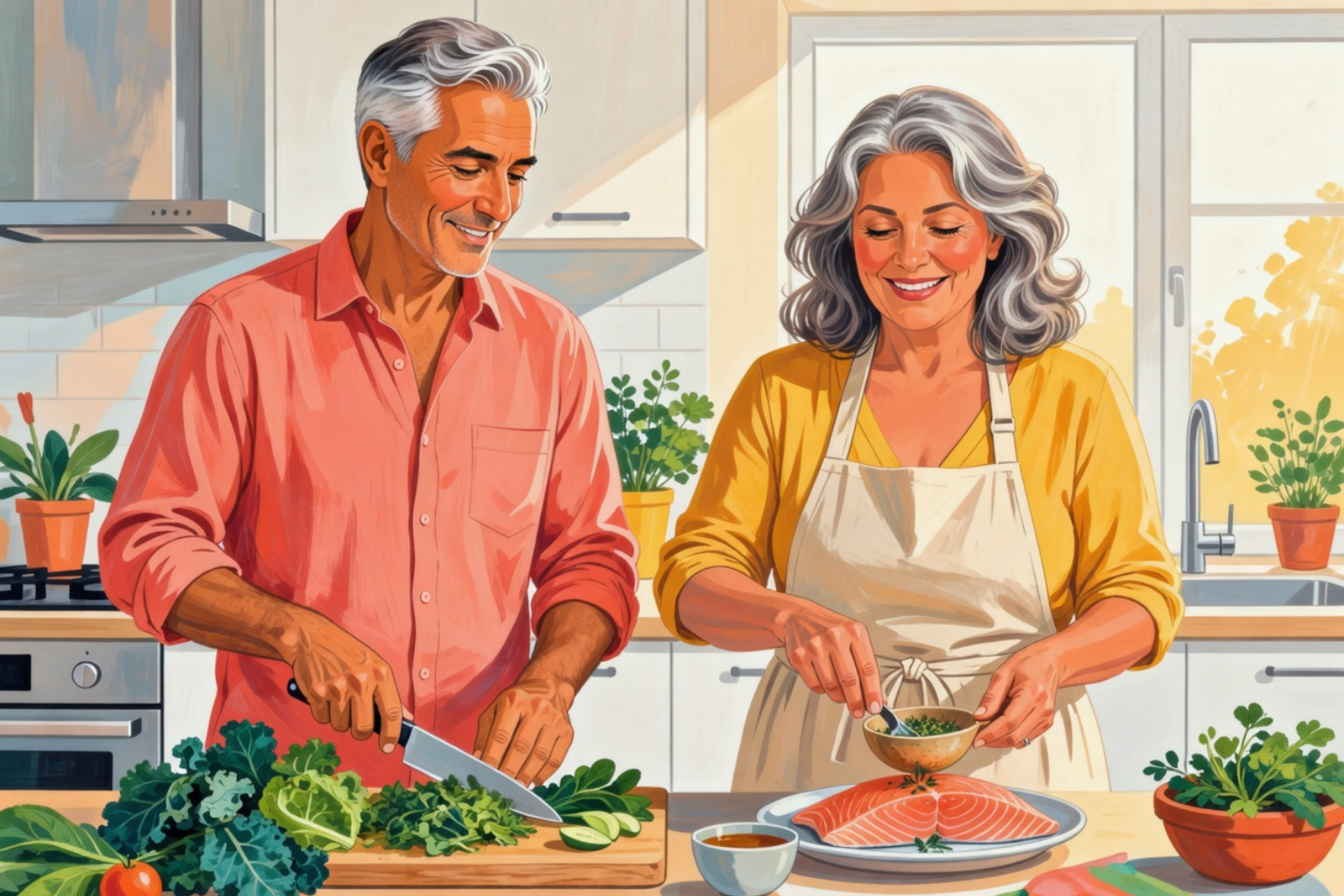
It is entirely possible to maintain strong bones on a vegan or vegetarian diet, provided one is intentional. Calcium-set tofu (processed with calcium sulfate) and fortified plant milks are excellent substitutes for dairy. To improve bioavailability, plant-based eaters should prioritize low-oxalate greens like kale, bok choy, and broccoli.
If you are unsure if your current diet meets these needs, you can check your eligibility for personalized nutritional and bone health support. Our Starter Guide for Movement & Food also offers a practical framework for building a bone-supportive eating plan.
The Role of Sodium and Caffeine in Calcium Leaching
Heavy intake of caffeinated sodas, especially colas, has been associated with lower bone density. This may relate to phosphoric acid in cola drinks, higher caffeine intake, or the fact that soda can replace more bone-supportive choices like milk or fortified beverages. A practical goal is to keep caffeine to three cups of coffee a day or less and avoid excess sodium, since both can increase urinary calcium loss.
When Supplements Make Sense for Fracture Prevention
The "food first" approach is always preferred, as whole foods provide a complex matrix of micronutrients. However, for those with diagnosed osteoporosis or malabsorption issues, supplements may be necessary.
- Calcium Carbonate: Inexpensive and contains the most elemental calcium, but must be taken with food for absorption.
- Calcium Citrate: More easily absorbed on an empty stomach and often better for those on acid-blocking medications (PPIs).
- Vitamin D3: Generally preferred over D2 for its superior ability to raise serum levels.
Excessive supplementation (over 2,000 mg of calcium) should be avoided, as it may increase the risk of kidney stones or cardiovascular complications. For a full breakdown of supplement types and dosing, read our Supplement Guide for Better Bone Density.
Assessing Nutritional Gaps and Medical Screening
Nutrition is only one half of the equation; the other is clinical monitoring. Medicare covers DEXA scanning every 24 months for women at risk and those with certain medical conditions. These scans, combined with a frailty and fall risk assessment, allow physicians to determine if dietary changes alone are sufficient or if pharmacological intervention is required.
Frequently Asked Questions about Bone Nutrition
Can I get enough Vitamin D from diet alone?
Usually not. Beyond fatty fish and fortified foods, very few foods provide much vitamin D. Most older adults need a mix of safe sun exposure, diet, and sometimes supplements to maintain healthy levels.
Is spinach a reliable source of calcium?
No. While spinach contains calcium, its high oxalate content means the body absorbs very little of it. Kale, collard greens, and bok choy are much better "bone-friendly" greens.
How does protein intake affect calcium balance?
While very high protein diets were once thought to "leach" calcium, modern research shows that adequate protein is actually protective for bones, provided calcium intake is also sufficient. It provides the collagen scaffolding necessary for bone strength.
Start Building Stronger Bones Today
Maintaining skeletal longevity requires more than just an occasional glass of milk. It is a lifelong commitment to a synergistic diet rich in calcium, Vitamin D, protein, and trace minerals. By focusing on nutrition for bone health, managing dietary antagonists like sodium, and combining smart eating with the right exercises, older adults can significantly reduce their risk of life-altering fractures. A strong skeleton is built one meal, and one "deposit," at a time.
This content is for informational purposes only and does not constitute medical advice. Consult a qualified healthcare professional for diagnosis and treatment. If you are on Medicare and interested in a personalized bone health program, you can check your eligibility at groovehealth.com.
Works Cited
- Weaver CM, Gordon CM, Janz KF, Kalkwarf HJ, Lappe JM, Lewis R, O'Karma M, Wallace TC, Zemel BS. "The National Osteoporosis Foundation's position statement on peak bone mass development and lifestyle factors: a systematic review and implementation recommendations." Osteoporosis International, 2016.
- National Institutes of Health, Office of Dietary Supplements. "Calcium: Fact Sheet for Health Professionals." NIH Office of Dietary Supplements, 2024.
- Bone Health & Osteoporosis Foundation. "Calcium/Vitamin D Requirements, Recommended Foods & Supplements." Bone Health & Osteoporosis Foundation (BHOF), 2023.
- National Institutes of Health, Office of Dietary Supplements. "Vitamin D: Fact Sheet for Health Professionals." NIH Office of Dietary Supplements, 2024.
- Webb AR, Kline L, Holick MF. "Influence of season and latitude on the cutaneous synthesis of vitamin D3: exposure to winter sunlight in Boston and Edmonton will not promote vitamin D3 synthesis in human skin." Journal of Clinical Endocrinology & Metabolism, 1988.
- Balachandar R, Pullakhandam R, Kulkarni B, Sachdev HS. "Relative Efficacy of Vitamin D2 and Vitamin D3 in Improving Vitamin D Status: Systematic Review and Meta-Analysis." Nutrients, 2021.
- Zittermann A, Schmidt A, Haardt J, Kalotai N, Lehmann A, Egert S, Ellinger S, Kroke A, Lorkowski S, Louis S, Schulze MB, Schwingshackl L, Siener R, Stangl GI, Volkert D, Watzl B, Bischoff-Ferrari HA; German Nutrition Society. "Protein intake and bone health: an umbrella review of systematic reviews for the evidence-based guideline of the German Nutrition Society." Osteoporosis International, 2023.
- National Academies of Sciences, Institute of Medicine, Food and Nutrition Board. "Magnesium — Dietary Reference Intakes for Calcium, Phosphorus, Magnesium, Vitamin D, and Fluoride." NCBI Bookshelf / National Academies Press, 1997.
- Ma ML, Ma ZJ, He YL, et al. "Efficacy of vitamin K2 in the prevention and treatment of postmenopausal osteoporosis: A systematic review and meta-analysis of randomized controlled trials." Frontiers in Public Health, 2022.
- De Souza MJ, Strock NCA, Williams NI, Lee H, Koltun KJ, Rogers C, Ferruzzi MG, Nakatsu CH, Weaver C. "Prunes preserve hip bone mineral density in a 12-month randomized controlled trial in postmenopausal women: the Prune Study." American Journal of Clinical Nutrition, 2022.
- Hooshmand S, Gaffen D, Eisner A, Fajardo J, Payton M, Kern M. "Effects of 12 Months Consumption of 100 g Dried Plum (Prunes) on Bone Biomarkers, Density, and Strength in Men." Journal of Medicinal Food, 2022.
- Heaney RP, Weaver CM, Recker RR. "Calcium absorbability from spinach." American Journal of Clinical Nutrition, 1988.
- Bedford JL, Barr SI. "Higher Urinary Sodium, a Proxy for Intake, Is Associated with Increased Calcium Excretion and Lower Hip Bone Density in Healthy Young Women with Lower Calcium Intakes." Nutrients, 2011.
- Heaney RP. "Effects of caffeine on bone and the calcium economy." Food and Chemical Toxicology, 2002.
- Bolland MJ, Avenell A, Baron JA, Grey A, MacLennan GS, Gamble GD, Reid IR. "Effect of calcium supplements on risk of myocardial infarction and cardiovascular events: meta-analysis." BMJ, 2010.