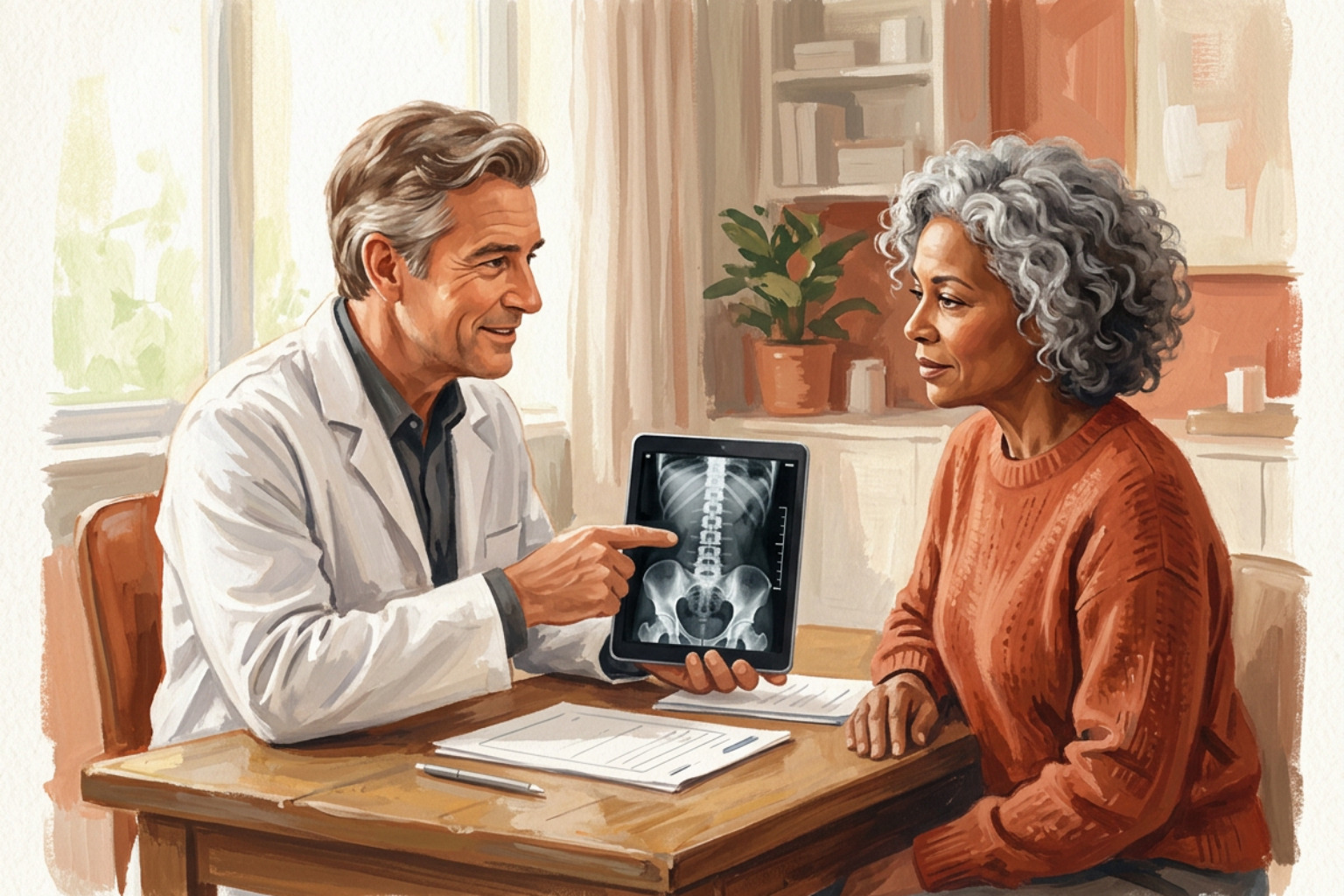
Calcium for postmenopausal women: Achieving the right balance
Most postmenopausal women need 1,200 mg of calcium daily, yet the average intake falls far short. Here's how to close the gap with the right foods, supplements, and timing.

Why calcium intake matters after menopause
Calcium for postmenopausal women is one of the most consistently recommended nutritional targets in bone health medicine — and for good reason.
Quick answer: Most postmenopausal women need 1,200 mg of calcium per day (from food and supplements combined). The safe upper limit is 2,000–2,500 mg per day. Calcium works best when paired with adequate vitamin D (600–800 IU daily, increasing to 800 IU after age 70).
| Key fact | Detail |
|---|---|
| Recommended daily intake | 1,200 mg/day |
| Safe upper limit | 2,000–2,500 mg/day |
| Recommended vitamin D | 600–800 IU/day |
| Average U.S. adult intake | ~600 mg/day (well below target) |
| Annual bone density loss after menopause | ~1% per year |
The numbers behind this issue are sobering. Approximately 1 in 2 women over 50 will break a bone due to osteoporosis. Roughly 30% of postmenopausal women in the United States have the condition, and at least 40% of those will experience a fracture from something as minor as a fall.
What drives this risk? When estrogen levels drop at menopause, the body becomes less efficient at absorbing calcium from food and loses more of it through urine. Bones begin to release stored calcium to maintain critical functions like muscle contraction and nerve signaling — a process that quietly erodes bone mineral density (BMD) over time.
The challenge is that there is no dependable blood test for calcium deficiency. Many women do not realize their intake is too low until a DEXA scan shows bone loss, or they experience a fracture.
This guide covers what the clinical evidence says about calcium requirements, dietary sources, supplement types, risks, and how calcium fits into a broader bone health strategy for postmenopausal women.
The Biological Necessity of Calcium for Postmenopausal Women
Bones are living tissues that undergo a continuous cycle of "remodeling." This process involves two primary types of cells: osteoclasts, which break down old bone (resorption), and osteoblasts, which build new bone (formation). In a healthy premenopausal state, these two processes are balanced.
However, estrogen plays a vital role in regulating this balance. Estrogen inhibits the activity of osteoclasts, preventing them from breaking down bone too quickly. When estrogen levels decline during menopause, this protective "brake" is removed. Research published in The role of calcium in peri- and postmenopausal women indicates that this hormonal shift leads to accelerated bone resorption.
Why your calcium needs increase after menopause
The need for calcium for postmenopausal women increases primarily because the body's "calcium economy" becomes less efficient. Lower estrogen levels lead to two specific physiological changes:
- Reduced Absorption: The intestines become less effective at extracting calcium from dietary sources.
- Increased Excretion: The kidneys lose more calcium through urine, a phenomenon known as negative calcium balance.
To compensate for these losses and maintain stable blood calcium levels (which are essential for heart and muscle function), the body leeches calcium from the skeletal system. This results in a loss of roughly 1% of bone mineral density (BMD) each year following menopause. Achieving a target of 1,200 mg daily is essential to slow this depletion.
Clinical guidelines for daily calcium intake
Major medical organizations generally agree on the necessity of adequate calcium, though their specific recommendations for supplementation vary based on the patient's risk profile. The National Institutes of Health (NIH) and the North American Menopause Society (NAMS) both emphasize a target of 1,200 mg per day for women over 50.
In a recent NAMS position statement, experts noted that while calcium is a foundational element of bone health, it is most effective when used as part of a comprehensive strategy. For women with diagnosed osteoporosis, calcium is considered an essential "component" of antiresorptive therapy (such as bisphosphonates), as these medications require adequate raw materials to strengthen bone architecture.
Conversely, the U.S. Preventive Services Task Force (USPSTF) suggests that for healthy, community-dwelling postmenopausal women without known osteoporosis or vitamin D deficiency, routine low-dose supplementation (under 1,000 mg) may not significantly prevent fractures on its own. This highlights the importance of individualizing treatment based on a woman's specific bone density scores and dietary habits.
Establishing the Upper Limit for Calcium Intake
While meeting the 1,200 mg goal is vital, more is not necessarily better. The Tolerable Upper Intake Level (UL) for women over 51 is generally set at 2,000 to 2,500 mg per day. Exceeding these levels can lead to:
- Nephrolithiasis: Clinical data shows a 17% increase in the risk of kidney stones when calcium intake reaches 2,150 mg/day.
- Hypercalcemia: Excessively high blood calcium levels can cause nausea, vomiting, and confusion.
- Milk-Alkali Syndrome: A condition caused by high intake of calcium and absorbable alkali (like calcium carbonate antacids), which can lead to kidney failure.
Dietary Sources vs. Supplementation: Finding the Balance
Clinical consensus favors a "food-first" approach. Calcium from dietary sources is often better absorbed and comes with a complex matrix of other nutrients. However, since U.S. adults consume an average of only 600 mg of elemental calcium per day, many women require supplements to bridge the 600 mg gap.
| Food Source | Serving Size | Approx. Calcium (mg) | Bioavailability |
|---|---|---|---|
| Low-fat yogurt | 1 cup | 300–450 mg | High |
| Skim milk | 1 cup | 300 mg | High |
| Sardines (with bones) | 3.75 oz | 350 mg | High |
| Fortified Orange Juice | 1 cup | 300 mg | High |
| Cooked Collard Greens | 1 cup | 268 mg | Moderate |
| Spinach | 1 cup | 30 mg (absorbed) | Low (due to oxalates) |
Bioavailability is a crucial factor. For instance, while spinach contains calcium, it also contains oxalates that bind to the mineral, making it difficult for the body to absorb. In contrast, dairy and fortified plant milks offer high bioavailability. For more detailed guidance, see the Mayo Clinic's review on balancing calcium.
Choosing the right supplement
When diet isn't enough, choosing the right supplement is the next step. There are two primary forms:
- Calcium Carbonate: Contains 40% elemental calcium. It is the most common and least expensive form but requires stomach acid for absorption, so it must be taken with food.
- Calcium Citrate: Contains 21% elemental calcium. It is absorbed equally well with or without food and is often preferred for women taking acid-reducing medications (PPIs) or those with sensitive digestive systems.
It is important to check the "Supplement Facts" label for the amount of elemental calcium, which is the actual amount of the mineral available for absorption. The body can only absorb about 500–600 mg of calcium at one time, so doses should be divided throughout the day. You can find more info about supplements on our educational blog.
The Synergistic Role of Vitamin D and Exercise
Calcium works best with vitamin D. Serum 25(OH)D is the main blood test used to measure your vitamin D status. In simple terms, it shows whether your body has enough vitamin D available to help absorb calcium well. Many experts aim for a blood level of at least 30 ng/mL, though individual needs vary. For many adults, that means getting around 600-800 IU of vitamin D daily through food, sunlight, supplements, or some combination. For more information on maintaining optimal levels, visit Groove Health.
Weight-Bearing Exercise and Bone Mineral Density
Nutrition provides the building blocks, but exercise provides the "signal" to build bone. This is known as Wolff’s Law: bone grows or remodels in response to the forces or demands placed upon it.
Effective exercises for calcium for postmenopausal women to complement their intake include:
- Weight-bearing aerobic activity: Walking, jogging, or dancing. See our guide to the best exercises for bone health.
- Resistance training: Using weights or resistance bands to load the bones. Learn more about strength training and osteoporosis.
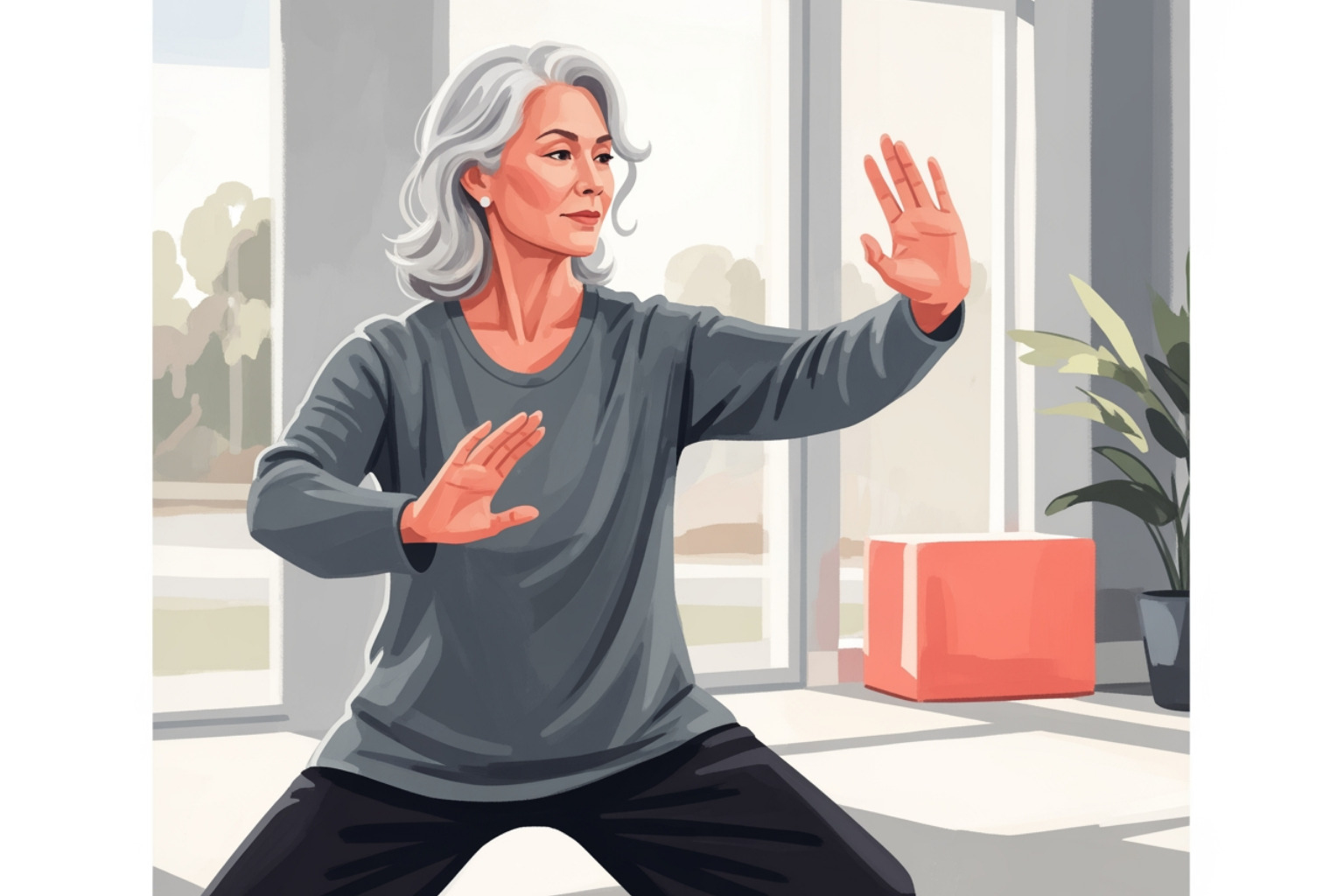
- Balance training: Tai Chi or stability drills to reduce the risk of falls. Our guide on how exercise builds bones covers these in detail.
Research indicates that weight-bearing exercise can reduce fall risk by 26%. For those looking for a structured approach, you can start your bone health journey with a personalized plan.
Evaluating Risks and Nonskeletal Benefits
The relationship between calcium and cardiovascular health is a subject of ongoing research. Some studies, such as the Women's Health Initiative, observed a 6% higher risk of cardiovascular events in women taking high-dose supplements, potentially due to arterial calcification. However, other data suggests that calcium intake of 1,200 mg/day may actually help manage systolic blood pressure.
Beyond bones, adequate calcium is associated with a 7% lower risk of cancer death and a significant reduction in the incidence of colorectal cancer (up to 31%). This "trade-off" highlights why supplementation should be tailored to an individual’s cardiovascular risk profile and history. Physicians often recommend a "calcium score" test for women with heart concerns before starting high-dose regimens. For a deeper clinical dive, see the AAFP review on calcium supplementation.
Frequently asked questions
Can I meet my calcium requirements on a vegan or dairy-free diet?
Yes, but it takes some planning. Good options include tofu made with calcium sulfate or calcium carbonate, fortified plant milks like soy, almond, or oat, and canned fish with edible bones if you eat fish. It is smart to read labels, because calcium levels in plant milks and tofu can vary a lot by brand.
Should I take my calcium supplement in a single daily dose?
No. Absorption efficiency decreases as the amount of calcium in a single dose increases. To maximize benefits, it is best to take no more than 500–600 mg at one time, ideally splitting the 1,200 mg requirement between morning and evening meals.
Does calcium interact with thyroid or antibiotic medications?
Yes. Calcium can interfere with the absorption of bisphosphonates, certain antibiotics (like tetracycline), and levothyroxine (thyroid hormone). It is generally recommended to take calcium supplements at least 2 to 4 hours apart from these medications.
Building a calcium strategy that works
Achieving the right balance of calcium for postmenopausal women is not just about taking a pill; it is about getting 1,200 mg of elemental calcium per day from food, supplements, or a mix of both. That daily target works best when paired with enough vitamin D and regular weight-bearing activity, because how calcium is absorbed and used matters just as much as the number itself. For a broader perspective, see our osteoporosis starter guide.
At Groove Health, we understand that navigating bone health after menopause can feel complex. Our Medicare-covered program pairs older adults with a specialized physician and a dedicated physical therapist. Together, they create a personalized, home-based care plan designed to support bone density and help prevent fractures. With evidence-based education and individualized care, women can move through menopause with more confidence and strength.
Works Cited
- North American Menopause Society. "The role of calcium in peri- and postmenopausal women: consensus opinion of The North American Menopause Society." Menopause, 2001.
- National Institutes of Health. "Calcium: Fact Sheet for Health Professionals." Office of Dietary Supplements, 2024.
- U.S. Preventive Services Task Force. "Vitamin D, Calcium, or Combined Supplementation for the Primary Prevention of Fractures in Community-Dwelling Adults." JAMA, 2018.
- American Academy of Family Physicians. "Calcium Supplementation in Postmenopausal Women." American Family Physician, 2004.
- Mayo Clinic. "Calcium and calcium supplements: Achieving the right balance." Healthy Lifestyle Nutrition, 2024.
This content is for informational purposes only and does not constitute medical advice. Consult a qualified healthcare professional for diagnosis and treatment. If you are on Medicare and interested in a personalized bone health program, you can check your eligibility at groovehealth.com.